Al Furjan
Three villas delivered across Al Quortaj and Tilal Al Furjan — interiors, full renovation and landscape. We are a Nakheel-registered contractor and we submit through Trakhees, which is the part most firms get wrong here.
This is the single most expensive thing to get wrong in Al Furjan, and it is the detail almost every interior firm advertising here leaves out. Al Furjan is a Nakheel development inside PCFC jurisdiction. That means two things: the villa needs a Nakheel home-modification NOC, and the authority submission goes to Trakhees — on Trakhees’ own drawing standard, from a contractor on the Trakhees accredited register.
A Dubai Municipality registration does not transfer. Nor do DM-format drawings. If your contractor submits the Dubai Municipality set because that is what they always produce, the application comes back, and you lose the weeks it took to prepare it. We hold registration with Nakheel and prepare every Al Furjan submission in the format the community actually requires.
Our Al Furjan work
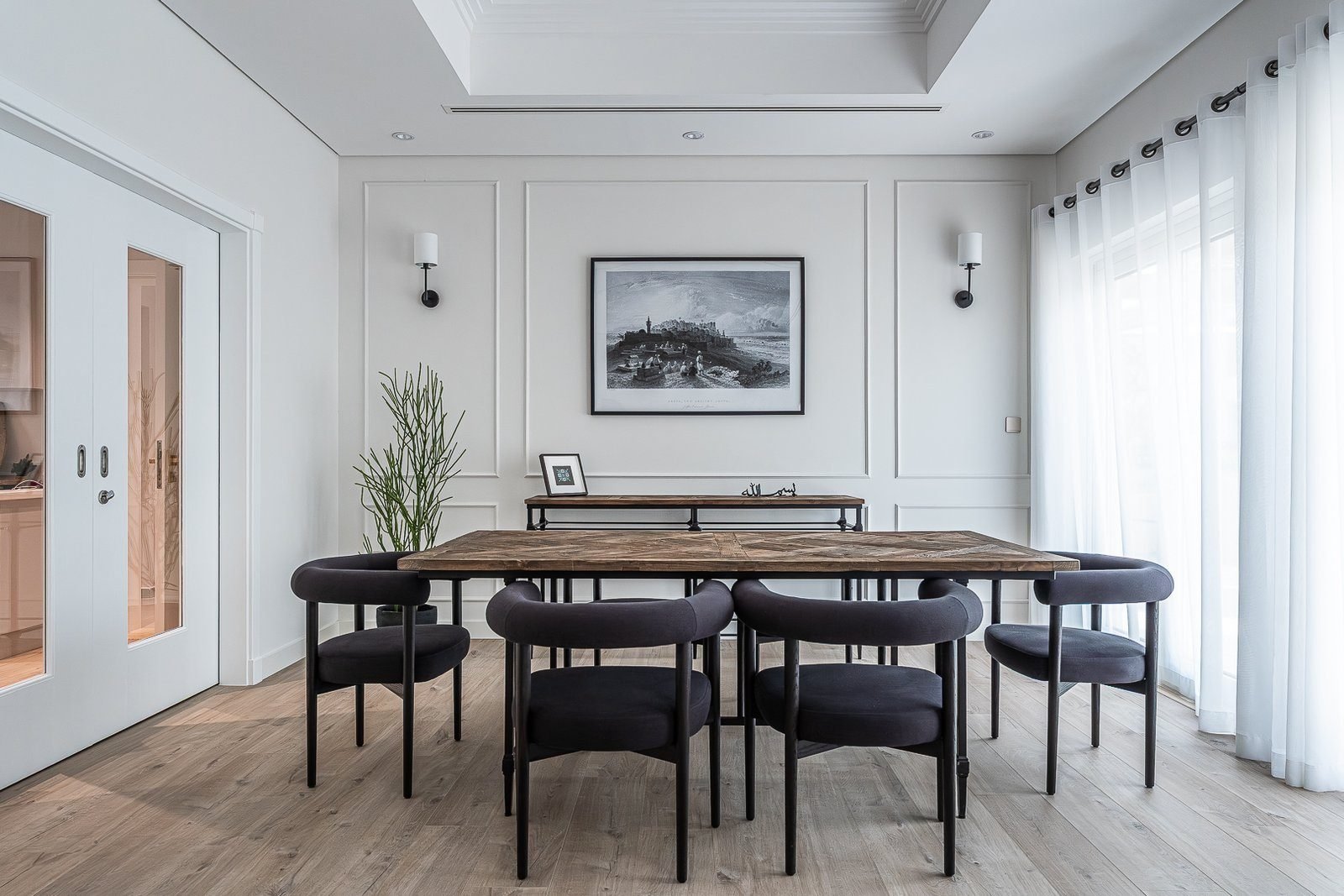
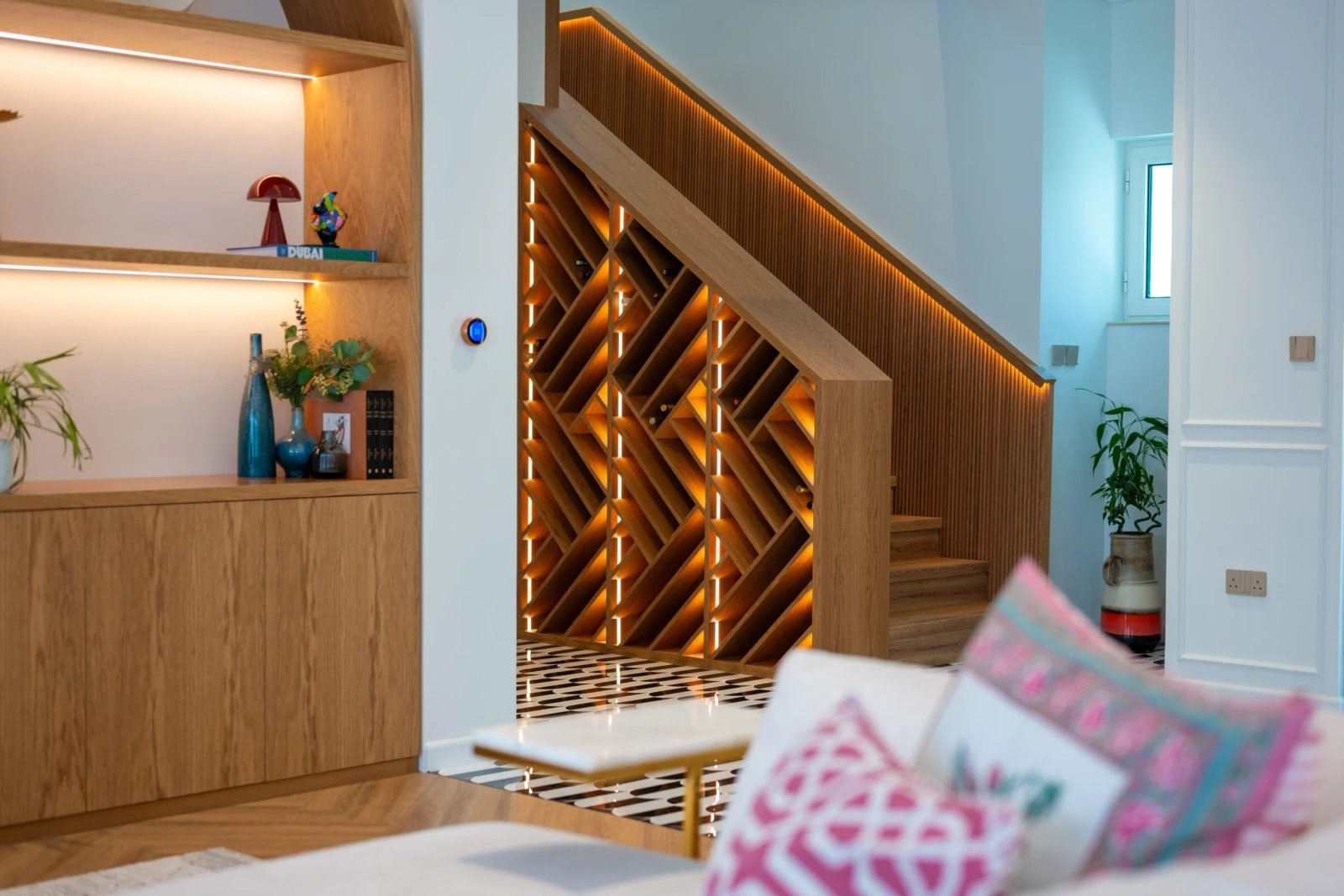
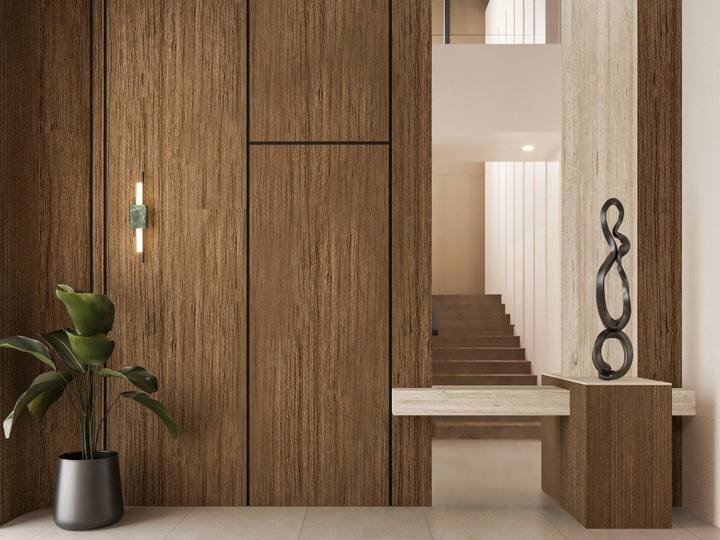
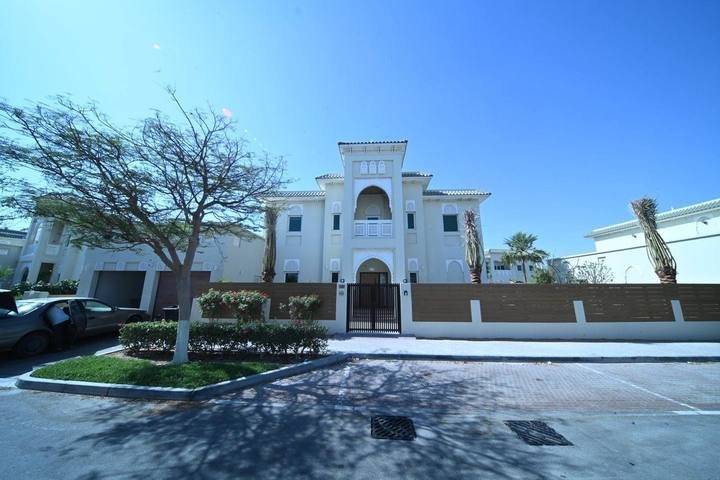
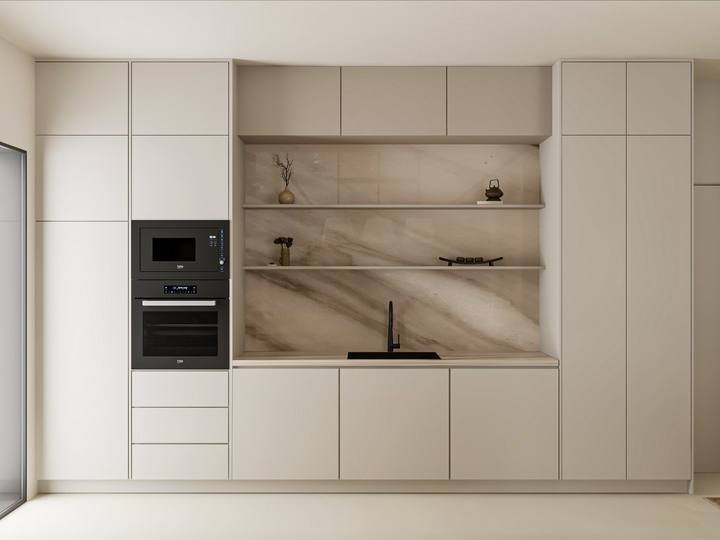
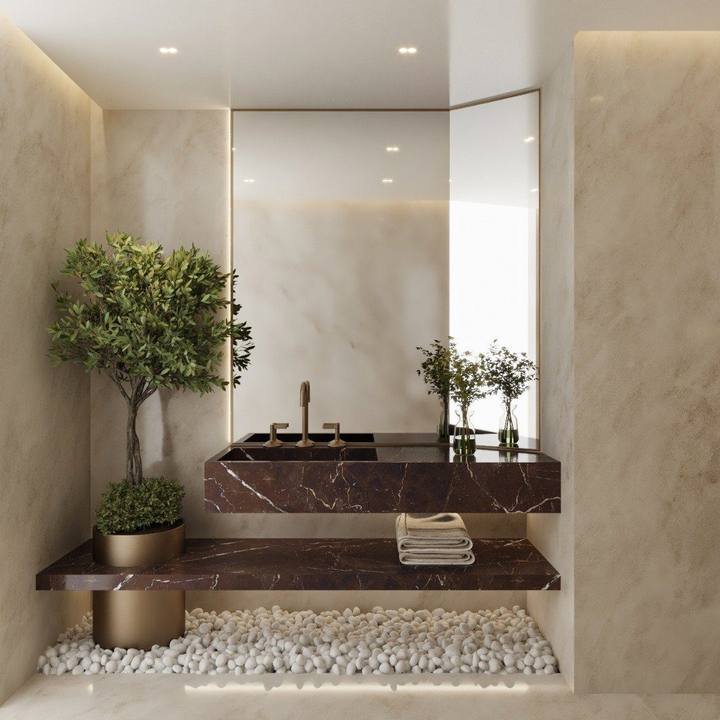
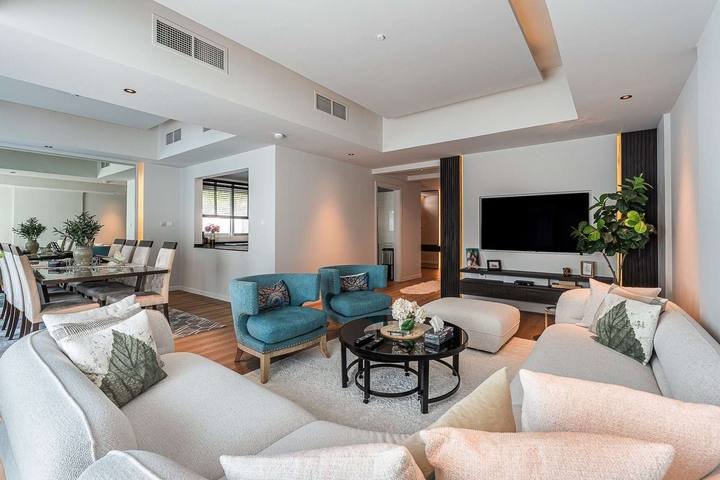
Al Quortaj and Tilal Al Furjan — interiors, a full strip-out renovation, and a pool and landscape package.
Approvals
Four gates, and they do not all run in sequence. We identify which apply to your cluster at survey stage and handle the submissions as part of our scope.
Ask about your clusterInternal layout changes, kitchen and bathroom upgrades, built-in joinery and any permitted external work all need a Nakheel NOC before a contractor can access the property. Nakheel also checks the contractor is on its approved list. Each cluster has its own design guidelines on facade, boundary treatment and what may be built in the plot — Murooj, Quortaj, Dubai Style, Tilal Al Furjan, Grenland and the Azizi developments are not governed identically.
Al Furjan sits in PCFC jurisdiction, so structural, facade, MEP and most permit-requiring work is approved by Trakhees rather than Dubai Municipality. Trakhees has its own drawing standard and its own accredited-contractor register, and a DM registration carries no weight. Submitting a DM-format set here is the most common reason an Al Furjan application is rejected.
Load increases, new distribution boards and relocated wet areas need DEWA sign-off. We programme this early because it is the approval most often left until it blocks handover.
Villas rarely need the full Civil Defence route that a commercial fit out does, but changes to escape routes, ceilings concealing detection, or any sprinklered area still require sign-off. We confirm at survey rather than assuming it does not apply.
What we do here
Most Al Furjan work falls into one of these. All of it is delivered by our own team, with joinery from our Al Quoz workshop.
Concept, 3D visualisation, materials and joinery shop drawings — drawn against the villa measured as built, not the Nakheel handover drawings.
Demolition through to final finishes, with the NOC and Trakhees submissions handled inside our scope rather than handed back to you.
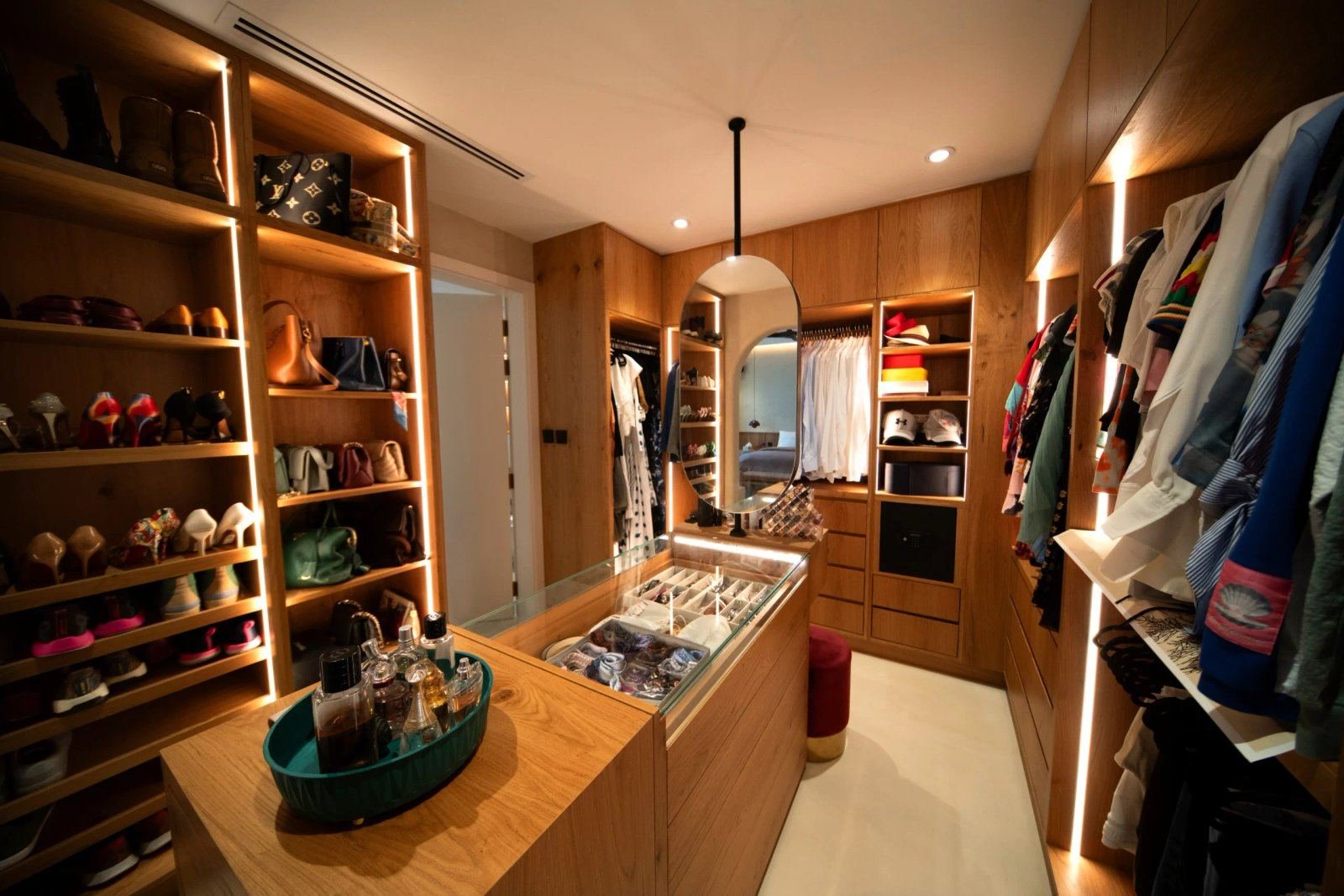
Wardrobes, kitchens, panelling and storage to replace the builder-standard units an Al Furjan handover arrives with. Made 15 minutes away in Al Quoz.
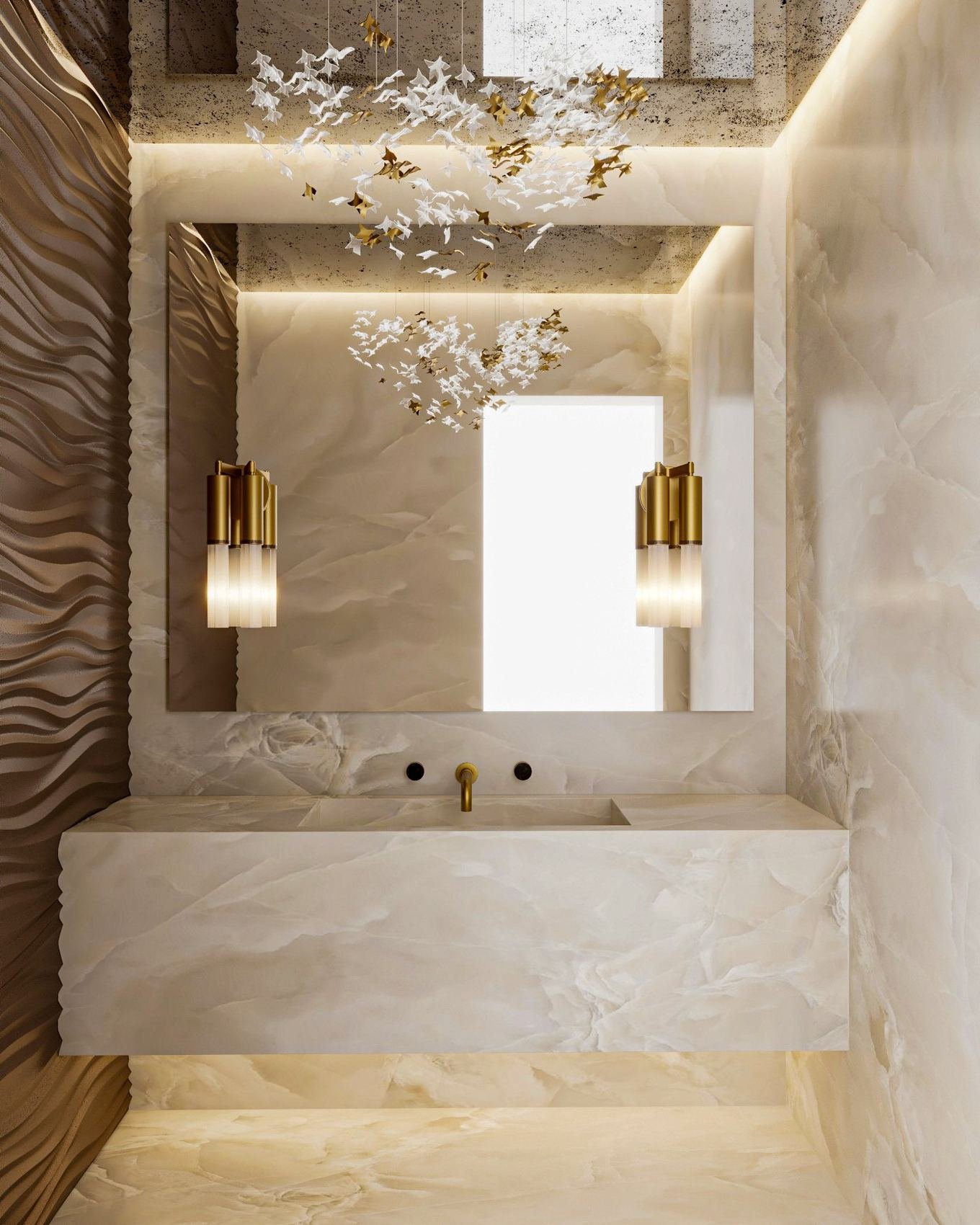
The two rooms that need a permit route and the two that return the most. Waterproofing, falls, templated worktops and the plumbing alterations villas need.
Pool, decking, pathways and planting with the drainage, irrigation and lighting set out before any stone is laid. Subject to cluster rules on plot works.
Design, approvals, joinery, MEP and site delivery under a single contract and one project manager, so no interface sits between two firms.
Scope & programme
We price line by line in a BOQ after a site visit rather than quoting a rate blind, and we issue a dated programme before work starts. These are the decisions that move both.
Joinery, lighting, paint and flooring with no layout change — the most common Al Furjan brief, and the fastest route because it rarely needs a permit beyond the NOC.
New kitchen and bathrooms, reconfigured layouts and upgraded MEP. Moving wet areas is the single biggest step up in both cost and programme.
Demolition through to final finishes with structural change and bespoke joinery throughout. Structure and facade work bring the Trakhees permit route with them.
Kitchens, bathrooms and joinery usually account for over half of a villa renovation. Flooring and MEP follow. Paint is the smallest line and the most visible.
The approval route for your cluster, and long-lead imported materials. We run approvals in parallel where the cluster allows and start joinery production during the wait, so the approval window is not dead time.
Moving wet areas, touching structure or facade, and long-lead imported stone. Cluster design guidelines can also rule out an external change entirely — we check before you commit to it.
Tell us which part of Al Furjan the villa sits in and what you want to change. We will visit, measure as built, confirm the NOC and Trakhees position for that cluster, and come back with a BOQ you can compare properly.
Common questions
Approvals, cost, clusters and timing. If yours is not here, call +971 50 448 3095.
Yes. Al Furjan is a Nakheel community, and internal layout changes, kitchen and bathroom upgrades, built-in joinery and permitted external works all require a Nakheel home-modification NOC before a contractor can access the property. Nakheel also verifies the contractor is on its approved list. If you are renting rather than owning, you need the landlord’s written consent before any of this starts.
Trakhees. Al Furjan sits in PCFC jurisdiction, so structural, facade, MEP and most permit-requiring work is approved by Trakhees rather than Dubai Municipality, on its own drawing standard and its own accredited-contractor register. A Dubai Municipality registration does not transfer, and DM-format drawings are the most common reason an Al Furjan application comes back.
It depends on scope far more than on area. A handover upgrade — joinery, lighting, paint and flooring with no layout change — sits at one end; a full strip-out with structural change and bespoke joinery throughout sits at the other. Kitchens, bathrooms and joinery usually account for over half the total. We survey the villa, then price line by line in a BOQ so you can see each decision and adjust before committing, rather than quoting a rate blind.
All of them, including Murooj Al Furjan, Al Quortaj, Dubai Style, Tilal Al Furjan, Grenland and the Azizi developments. Our delivered work here covers Al Quortaj and Tilal Al Furjan. Cluster matters more than most people expect: design guidelines on facade, boundary treatment and what may be built within the plot differ between them, so the same change can be approved in one cluster and refused in another.
A handover upgrade is quickest, a full strip-out with structural change the longest, and the approval route adds to both — the Nakheel NOC on every job, plus the Trakhees permit where the work needs one. We run approvals in parallel where the cluster allows and start joinery production in our workshop during the wait, so the approval window is not dead time. You get a dated programme before work starts rather than an estimate over the phone.
Non-structural partitions, usually yes with the NOC and permit in place. Structural walls, slabs and facades need a structural engineer’s drawings and Trakhees approval, and several Al Furjan clusters prohibit facade changes outright under their design guidelines. We check what your specific cluster allows before you commit to a layout.
Yes, and it is the most common request we get in Al Furjan. Handover joinery is built to a developer specification rather than to how the house gets used. We make replacements in our own Al Quoz workshop, around fifteen minutes from Al Furjan, which means we template against the villa as built rather than cutting to a drawing dimension. See our joinery page for boards, hardware and tolerances.
Yes — pool, decking, pathways, planting, irrigation and outdoor lighting, with the drainage and services set out before any stone is laid. Our pool and landscape package at a villa in Quortaj, Al Furjan covers exactly this. Note that plot works are governed by cluster design guidelines and need the Nakheel NOC like any other change.
For a handover upgrade or single-room work, usually yes. For a full renovation we would advise against it — strip-out, MEP first fix and floor screeds make a villa genuinely unliveable, and working around occupants adds weeks. Where clients do stay we phase by floor or wing and seal the active area, but it is slower and costs more.