Retail renovation
Store refresh and full re-fit in malls and street units across Dubai — mall design review, fit-out permit, Civil Defence re-approval, overnight work behind hoarding, and display joinery from our own Al Quoz workshop, under one contract.
A retail renovation is judged on one number: how many trading days it costs. Malls make that harder than it sounds. Noisy work is only allowed after closing, deliveries come through a service corridor on a booked slot, the design has to pass the mall’s tenant criteria before a permit is issued, and the moment a partition or a sprinkler head moves, Civil Defence has to look again. A contractor who has not worked inside a mall discovers all of this on day one and your re-opening date moves.
We plan a store renovation backwards from the re-opening. The concept is checked against the mall’s design criteria before it goes to you for approval, the hoarding goes up with the mall’s graphics on it, fixtures and display joinery are built in our Al Quoz workshop while the approvals run, and installation is sequenced into night shifts so that a refresh can happen with the store trading every day and a full re-fit happens in the shortest closure the scope allows.
What a retail renovation covers
The scope decides whether the store closes at all. Most refreshes do not; most full re-fits do, briefly.
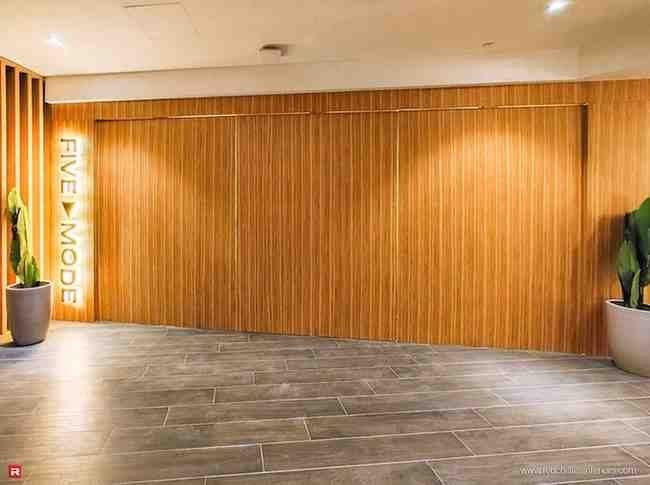
Strip-out behind hoarding and rebuild to a new concept, with mall design review and Civil Defence re-approval. See the Five Mode store.
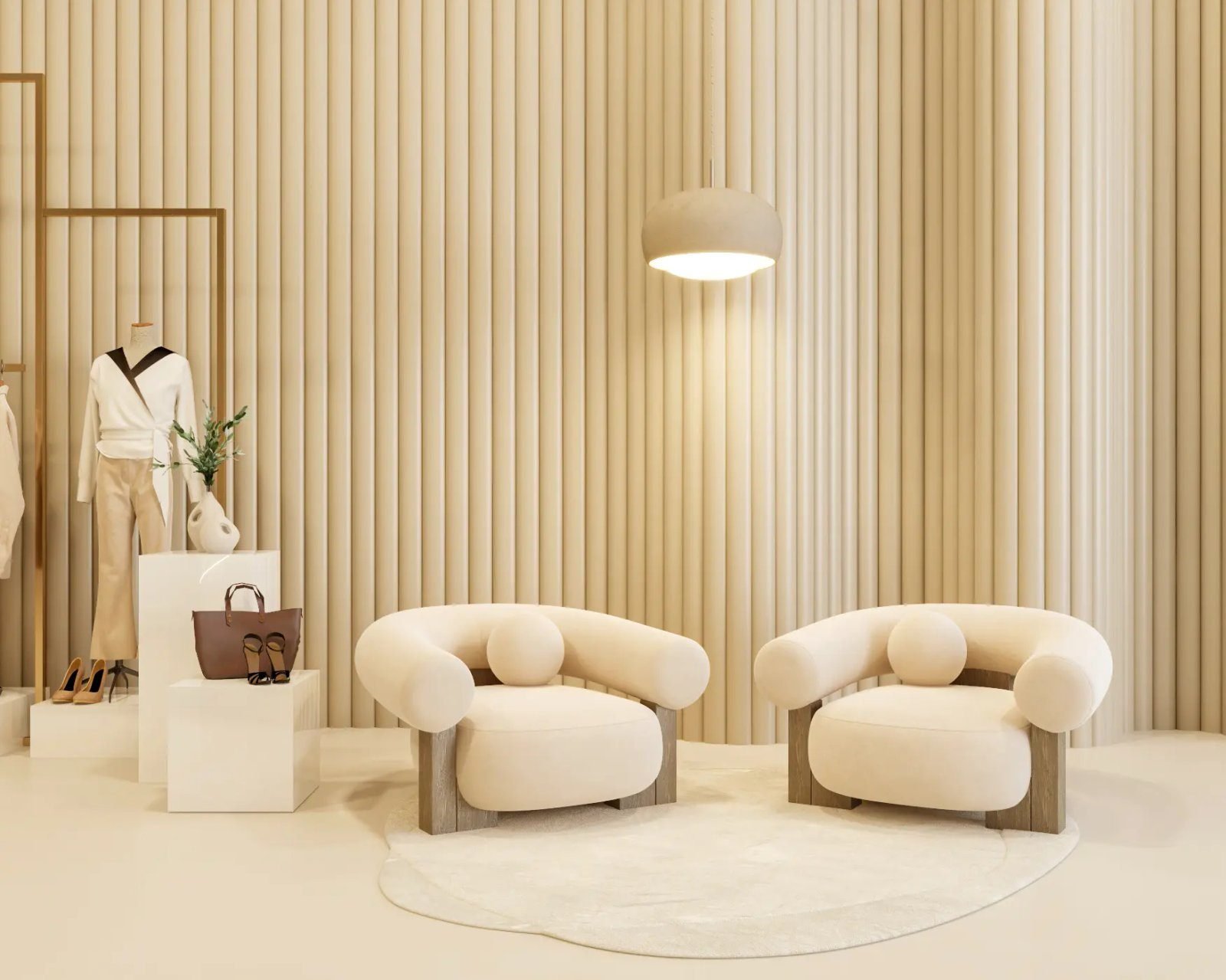
New finishes, fixtures and lighting within the existing layout, installed over night shifts so the boutique trades every day.
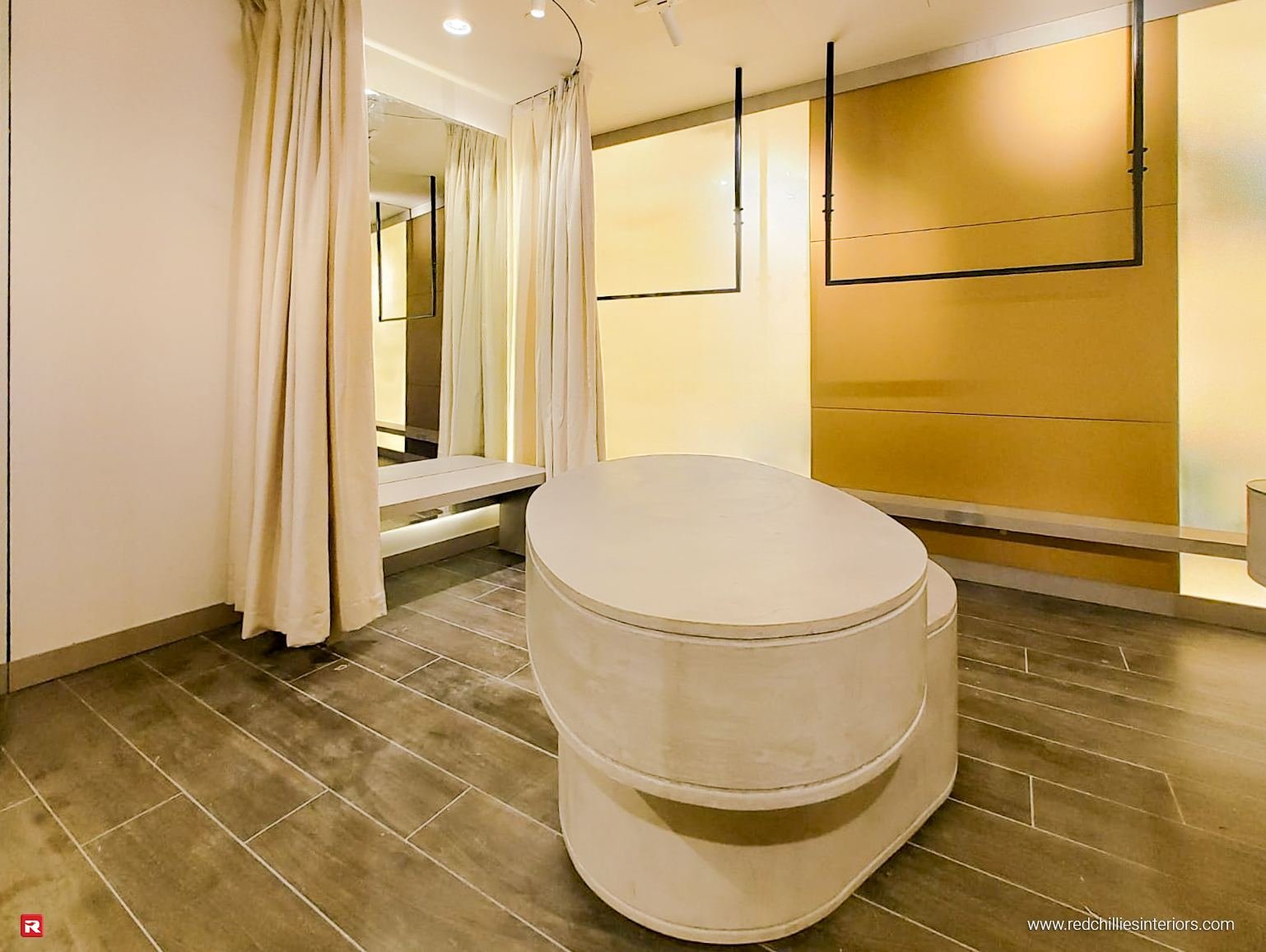
Wall systems, gondolas, cash desks and feature displays made in Al Quoz and installed in a single night.

New glazing line, entrance and signage to the mall’s shopfront criteria, coordinated with the mall’s nominated contractor where required.
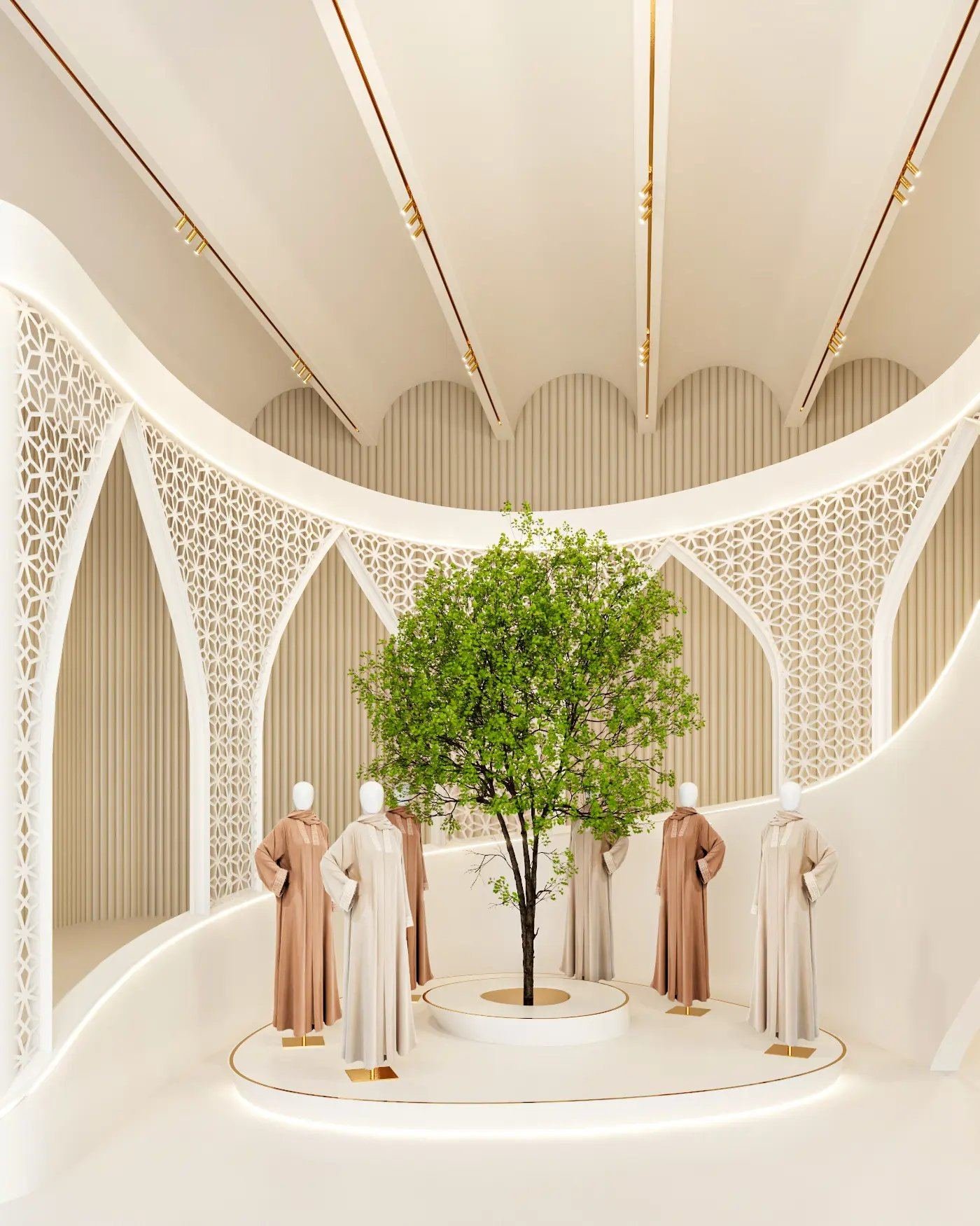
Floors and ceilings laid in phases around the trading area, with track and accent lighting re-planned for the new merchandising.
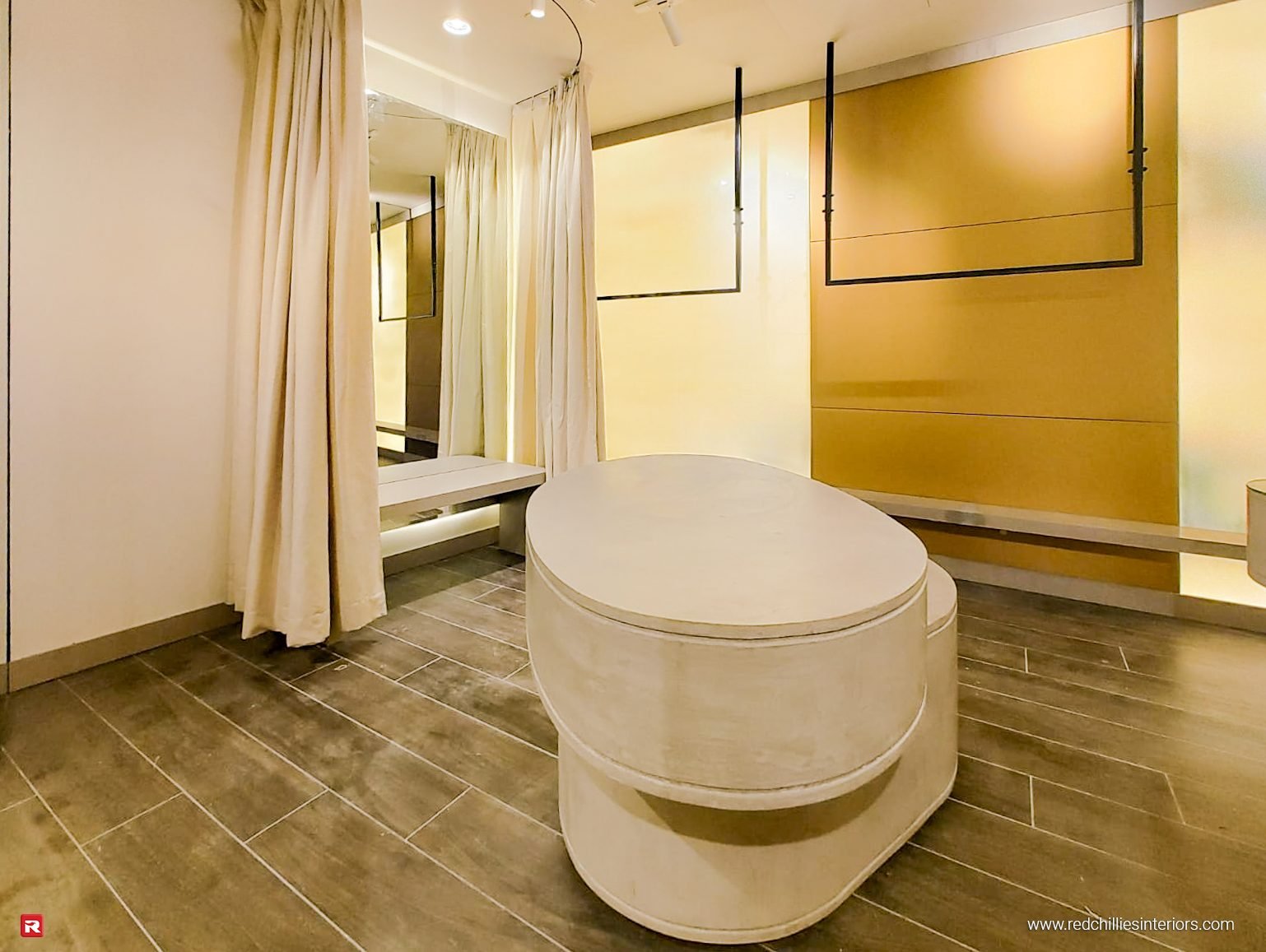
Fitting rooms, stockroom and staff areas reconfigured under the same programme, and kiosks and mall units handled on their own page.
Approvals
The mall first, then the authority, then Civil Defence. The mall also sets how the work is run, which is why it decides the programme.
How we handle approvalsEvery major Dubai mall has a tenant design manual: the shopfront line and how far displays may project past it, the signage zone, permitted materials, minimum lighting levels, ceiling heights and how services connect to the mall’s. The mall’s fit-out department reviews concept drawings and then technical drawings against it. We design to the manual from the start so the review is a formality rather than a redesign.
With design approval the mall issues a fit-out permit and its rules on site: hoarding specification and graphics, permitted working hours (noisy and dusty work after closing only), service-corridor delivery slots, waste removal, insurance and a refundable deposit. These rules write the programme, so we read them before we price. Street units go through the landlord instead, with fewer rules but the same authority steps.
Dubai Municipality or the free-zone authority approves the works. Dubai Civil Defence has to re-approve the fire strategy whenever the layout, sprinklers, detection or emergency lighting change, and inspects before the store re-opens. Food retail and café counters add Dubai Municipality Food Control. A refresh of finishes inside the existing layout usually needs the mall’s approval alone.
The mall inspects the finished store against its criteria, Civil Defence inspects the fire systems, the deposit is released and the hoarding comes down on the re-opening date agreed at the start. We attend both inspections and close the snags before they become a reason to delay.
Recent retail and commercial work
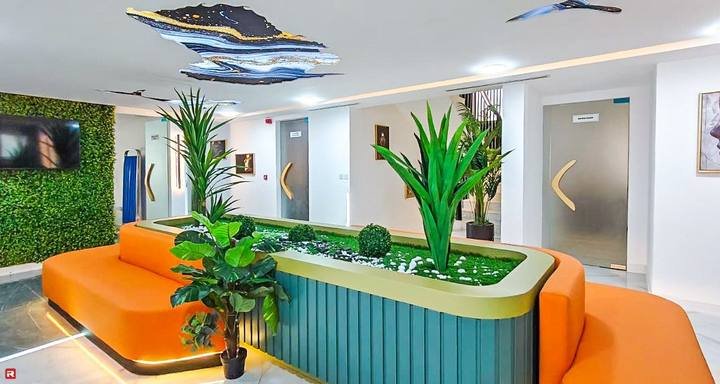
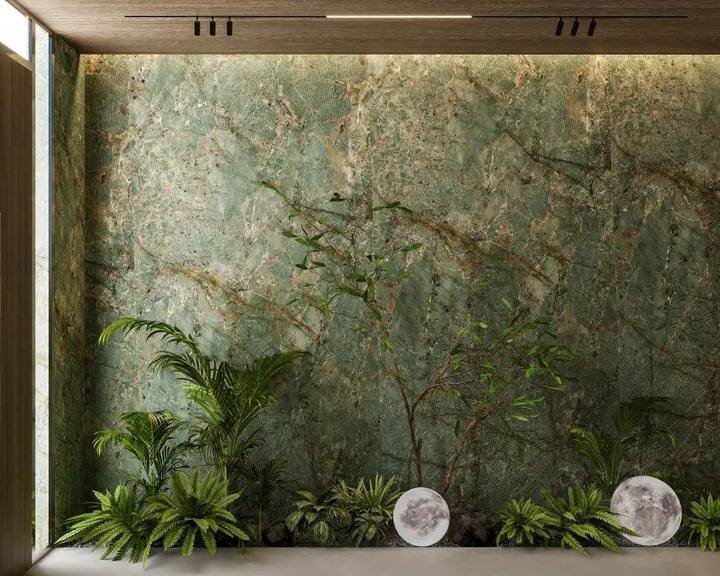
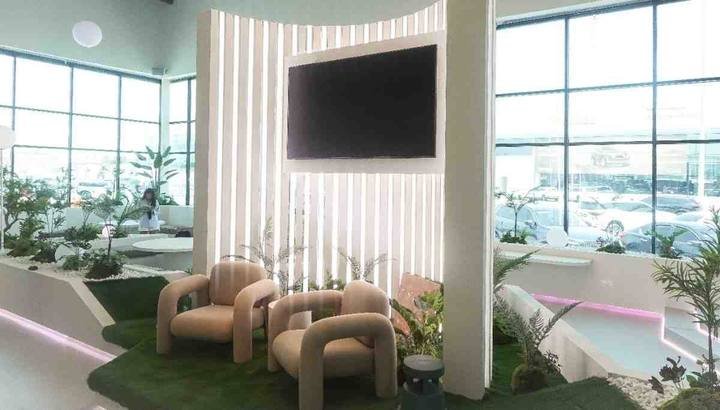
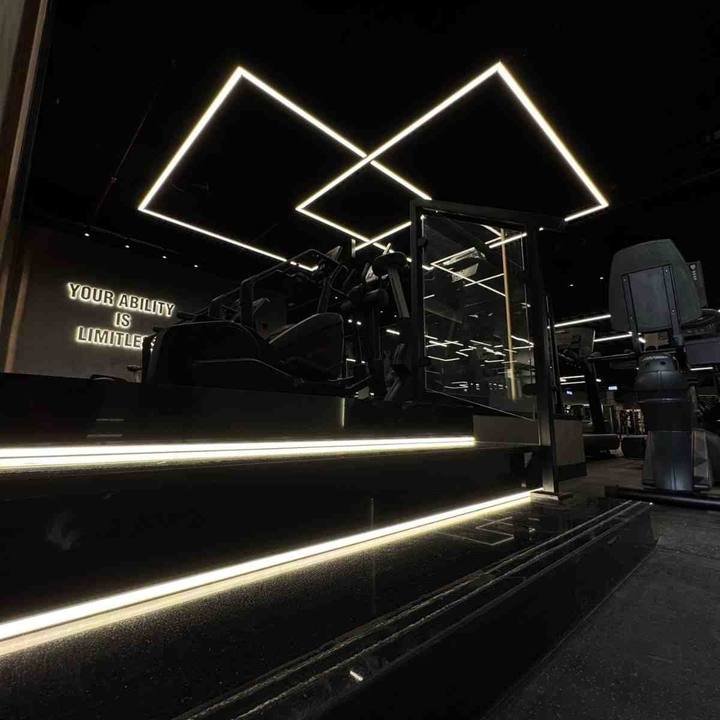
JVC, Mirdif, Jumeirah, Al Quoz and Sharjah.



Scope & programme
We price from a BOQ after a site visit and the mall’s fit-out rules, and issue a programme that shows exactly which nights the store is affected. These are the decisions that move both.
New finishes, fixtures and lighting in the existing layout can be done overnight with the store trading. Moving walls, the shopfront or fitting rooms means hoarding, a closure and the full approval route.
Mall rules push noisy work after closing, which means shorter shifts and more of them. Fixtures built off site in our workshop cut the number of nights on the floor, which is the biggest lever on both cost and lost trading.
Changing the glazing line or signage is reviewed strictly by the mall and sometimes must be done by its nominated contractor. It is the most approval-heavy part of a retail scope.
Display joinery, lighting and the shopfront carry most of a retail budget. Flooring and ceilings follow. Back of house is where cost can be saved without the customer noticing.
Extra lighting load, a relocated cash desk with data, or a café counter each bring services work and, if sprinklers or detection move, a Civil Defence re-submission that sits on the critical path.
Refreshing several units to one concept lets fixtures be made in batches and installs be sequenced one store a night. The unit cost drops with repetition, and we show that in the quotation.
Tell us the mall or street, the unit size and what the new concept needs to do. We will visit after hours, read the mall’s tenant manual, tell you which approvals apply and come back with a night-by-night programme and a BOQ you can compare.
Common questions
Trading through the works, mall rules, approvals and fixtures. If yours is not here, call +971 50 448 3095.
For a refresh — new finishes, fixtures, lighting, a new cash desk — usually yes. We work after closing in the hours the mall allows, build the fixtures in our Al Quoz workshop so each night is installation rather than fabrication, and leave the store trade-ready every morning. A full re-fit that moves walls or the shopfront needs hoarding and a closure, and we plan it to the shortest the scope allows.
Yes, always. The mall’s fit-out department reviews your drawings against its tenant design criteria and issues a fit-out permit with its rules on hoarding, hours, deliveries and deposits. Nothing can start without it, and the mall can stop work that departs from the approved drawings. We design to the mall’s manual from the first sketch so the review does not become a redesign.
Dubai Municipality or the free-zone authority approves the works, and Dubai Civil Defence re-approves the fire strategy if the layout, sprinklers, detection or emergency lighting change. A food counter brings Dubai Municipality Food Control. A refresh inside the existing layout usually needs the mall alone. We confirm the route before we quote and make every submission ourselves.
Within the mall’s criteria, yes. Malls control the shopfront line, how far displays may project, the signage zone and the materials, and some require their own nominated contractor for the glazing. We check the manual, design within it and coordinate the nominated contractor where the mall insists on one.
Yes. Wall systems, gondolas, cash desks, feature displays and fitting-room joinery are made by our in-house team in Al Quoz, which is what makes overnight installation possible. See the Five Mode store in JVC and the boutique in Mirdif.
The landlord takes the place of the mall and usually has fewer rules on hours and hoarding, but the authority steps are the same: Dubai Municipality or the free zone, Civil Defence for any layout change, and Food Control for food retail. Signage on a street unit also needs the municipality’s signage approval.
Yes. We fabricate fixtures in batches and sequence the installs one store a night, so the concept lands consistently and the unit cost falls with repetition. One team, one programme and one point of contact across every site.
Yes. A unit taken from shell and core is a fit-out rather than a renovation and runs through a slightly different route, explained on our retail fit-out page. Kiosks and small mall units have their own page too.
Yes. We deliver across the UAE, including Abu Dhabi and Sharjah, with the mall and authority route adjusted for each emirate.