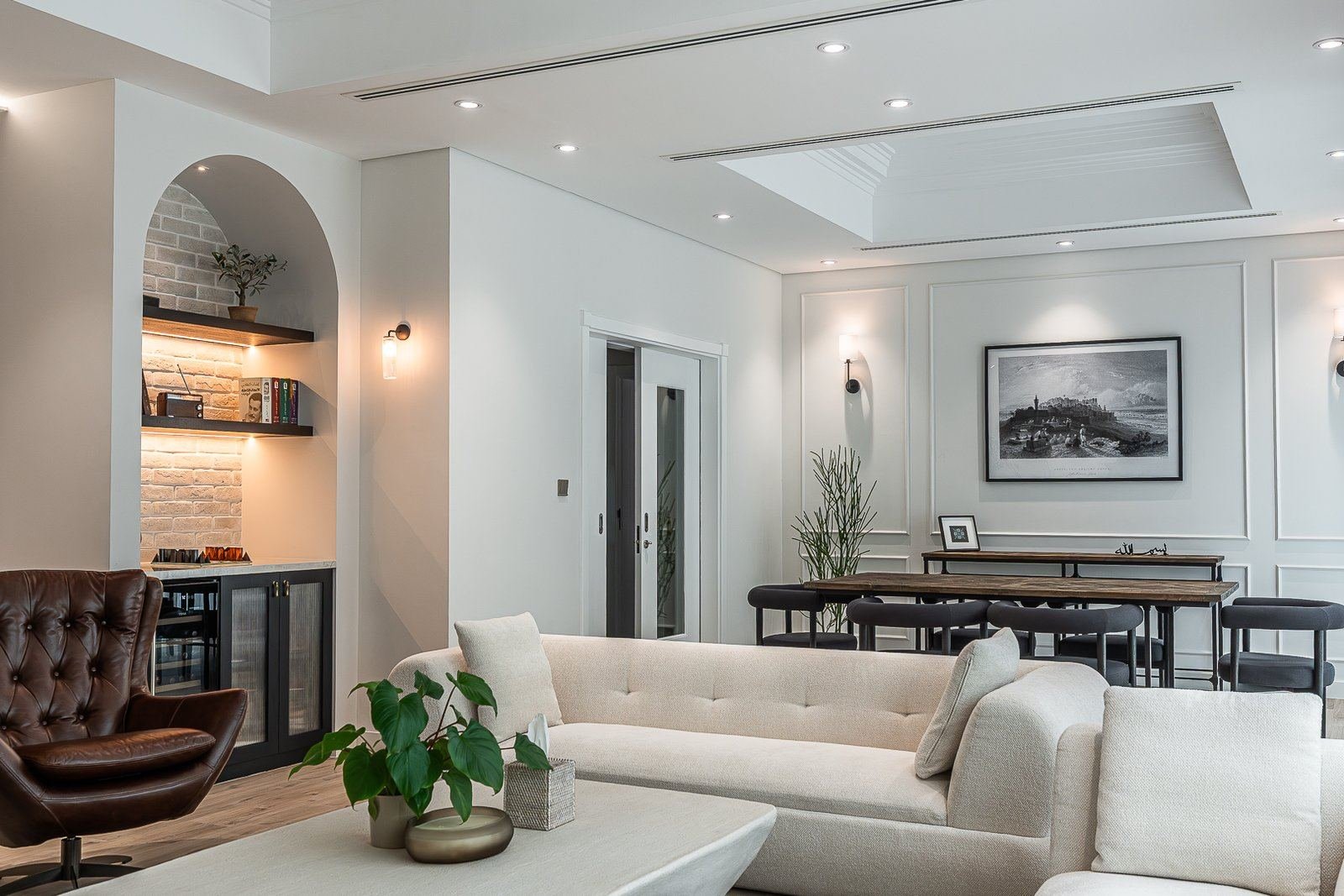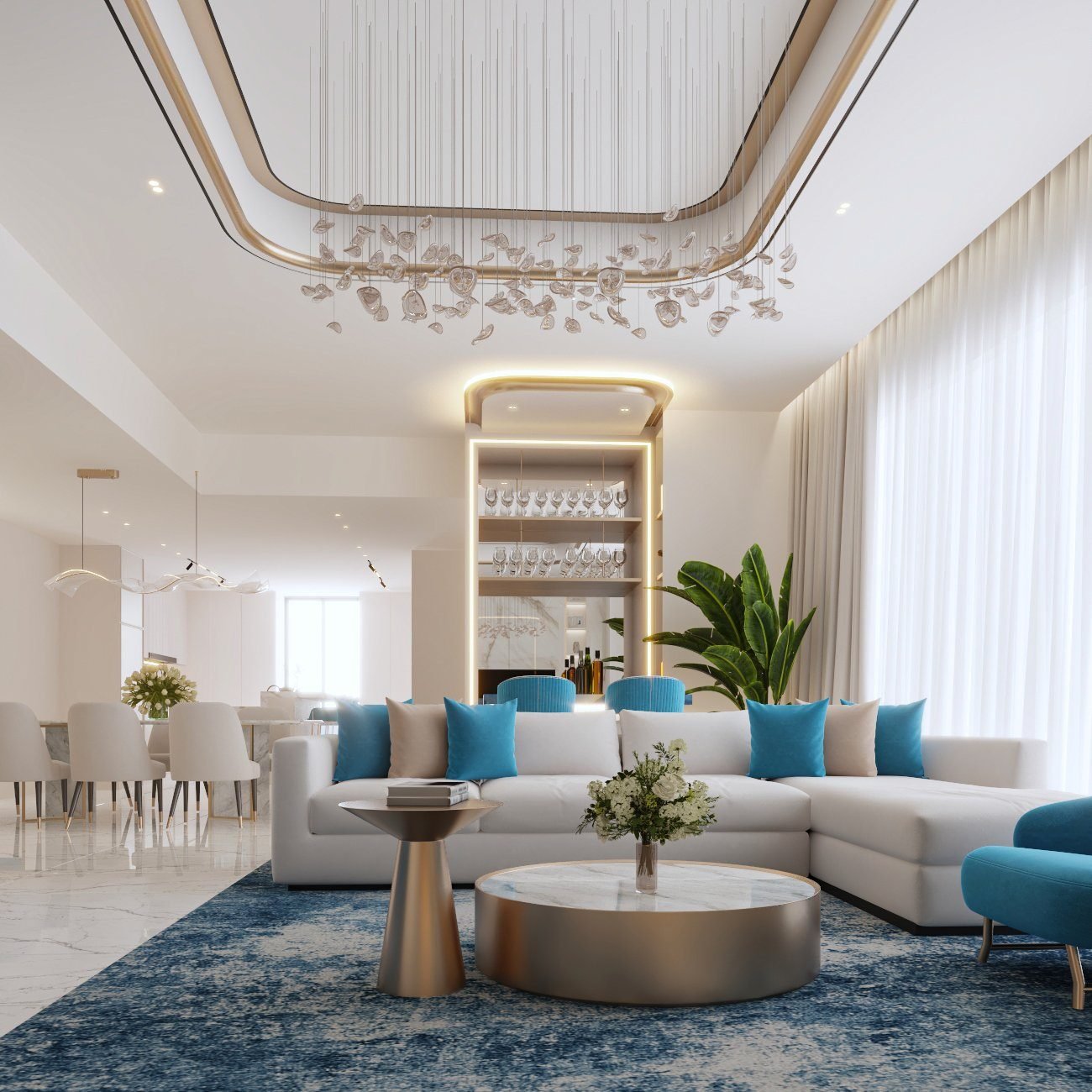
Sofa upholstery & reupholstery
Fabric and leather recovering of sofas, armchairs, dining chairs, headboards and commercial seating in our own Al Quoz workshop — frame repaired, springs renewed, foam replaced, not just a new cover stapled over the old one.
The sofa upholstery market here runs on phone photos and a price per seat. The old fabric is cut off, a new one goes on, and the sagging seat, the loose arm and the springs that gave up years ago are still there underneath. It looks right on delivery day and sits exactly as badly as before within months. Nobody inspected the frame because nobody was going to repair it.
We reupholster the way a good piece was made in the first place. The cover and the fill come off, the frame is checked at every joint and re-glued or re-doweled, the suspension is renewed, new foam is cut to a density you have actually sat on, and only then is it recovered. The work is done by the same in-house upholsterers who make our custom sofas and the seating on our commercial fit-outs. If the frame is not worth saving, we tell you at the inspection rather than after you have paid.
What we recover
Residential pieces go to the workshop. Commercial seating is usually done in phases on site so the business keeps trading.
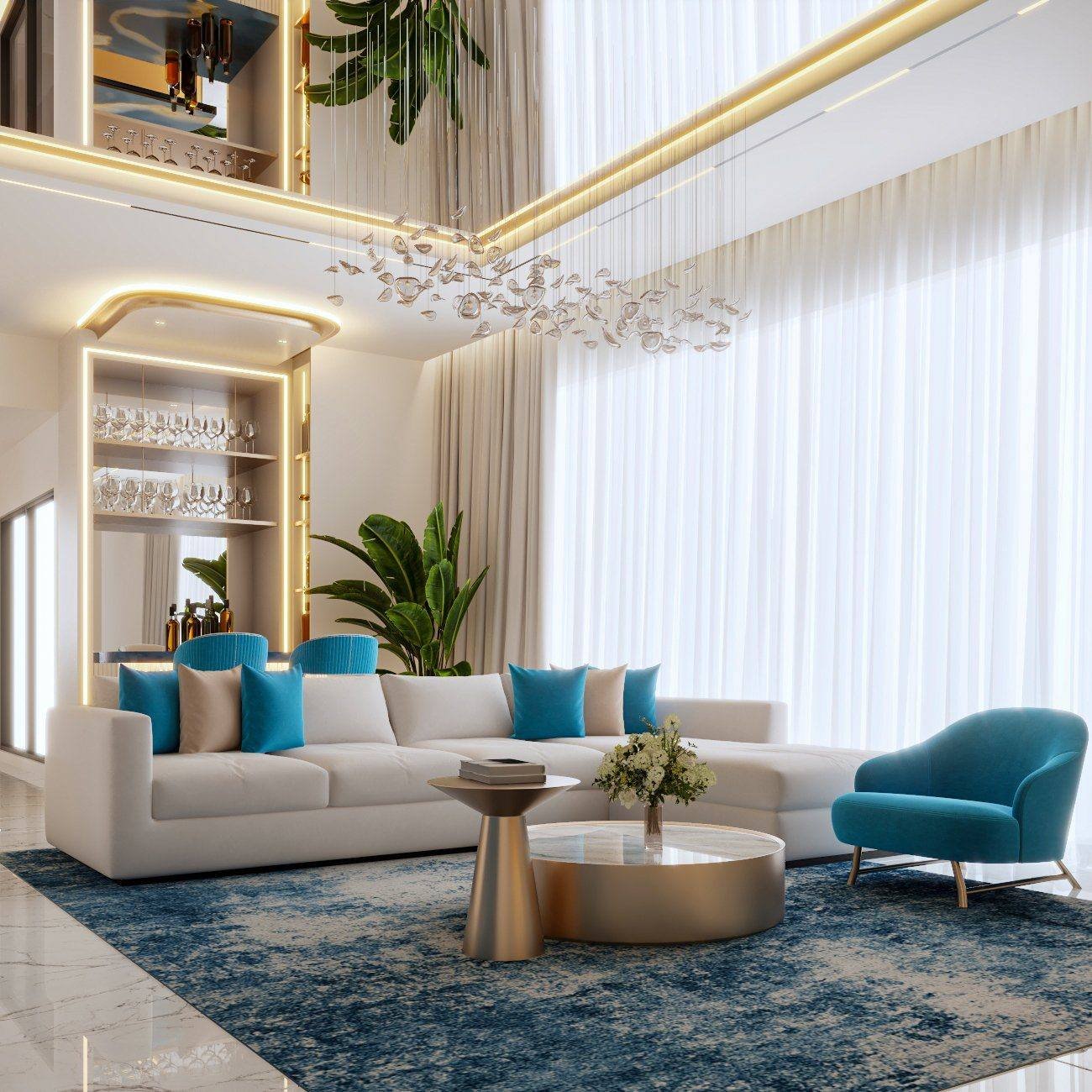
Full strip-back, frame and spring repair, new foam, recovered in fabric or leather. Sectionals are rebuilt so the modules still align.
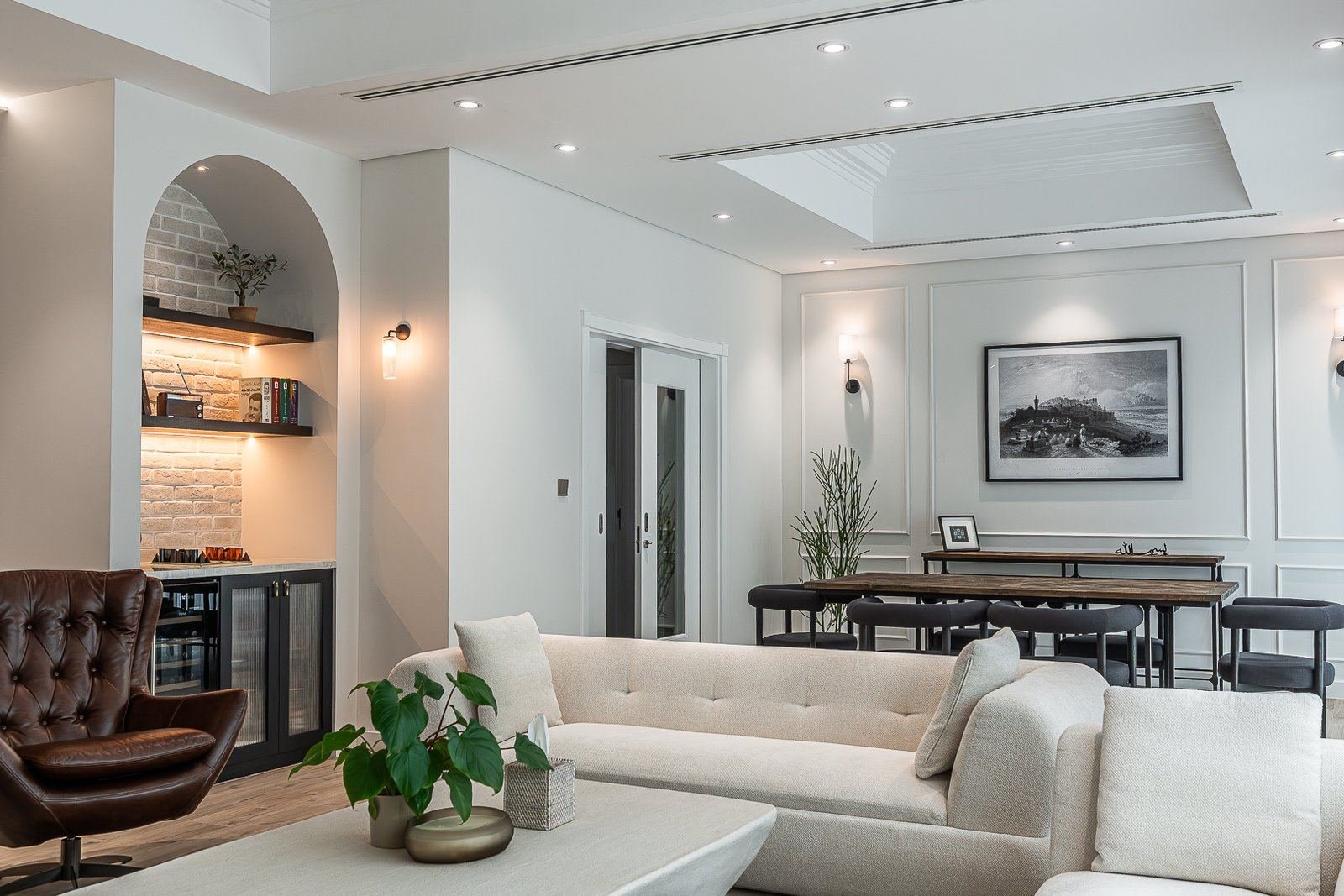
Wing chairs, club chairs, slipper chairs and ottomans, including deep buttoning, channelling and piped seams.
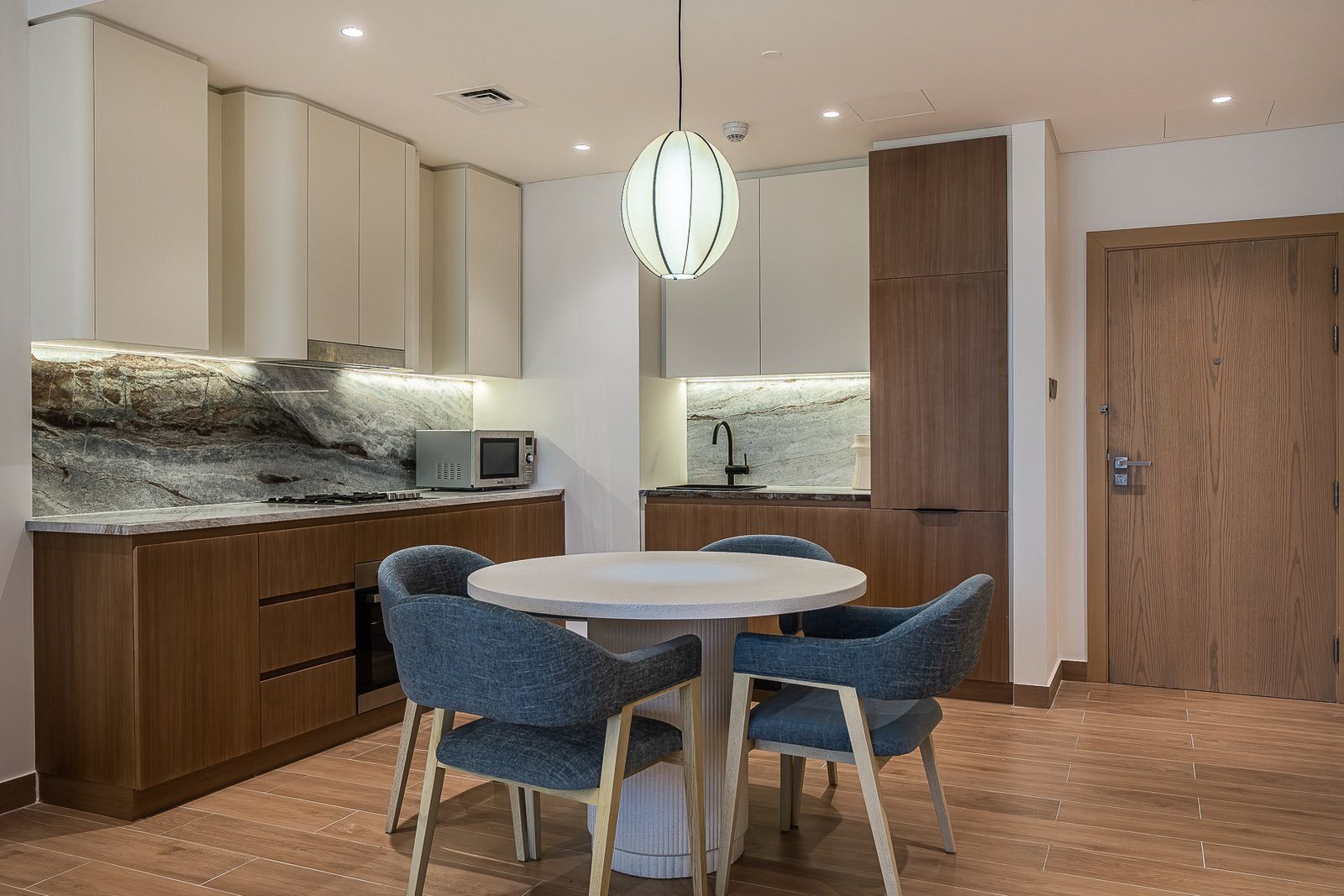
Seat pads, backs and fully upholstered chairs recovered in contract-grade fabric, frames tightened and timber refinished.
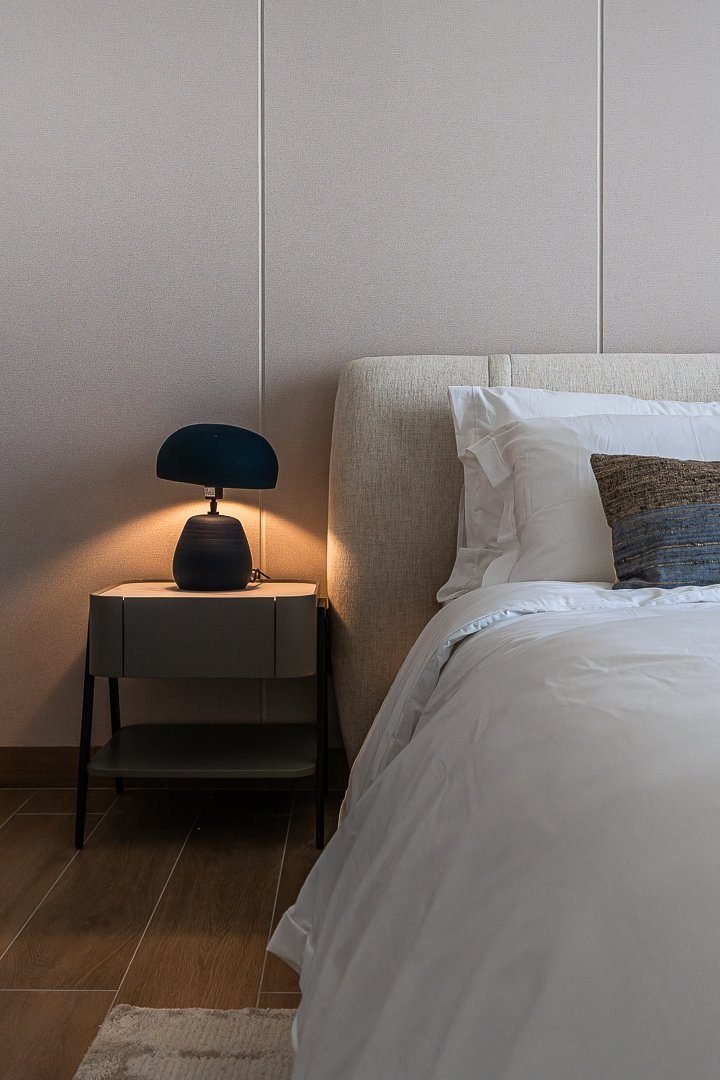
Existing headboards and divan bases recovered to a new bedroom scheme, or replaced with a made-to-measure piece.
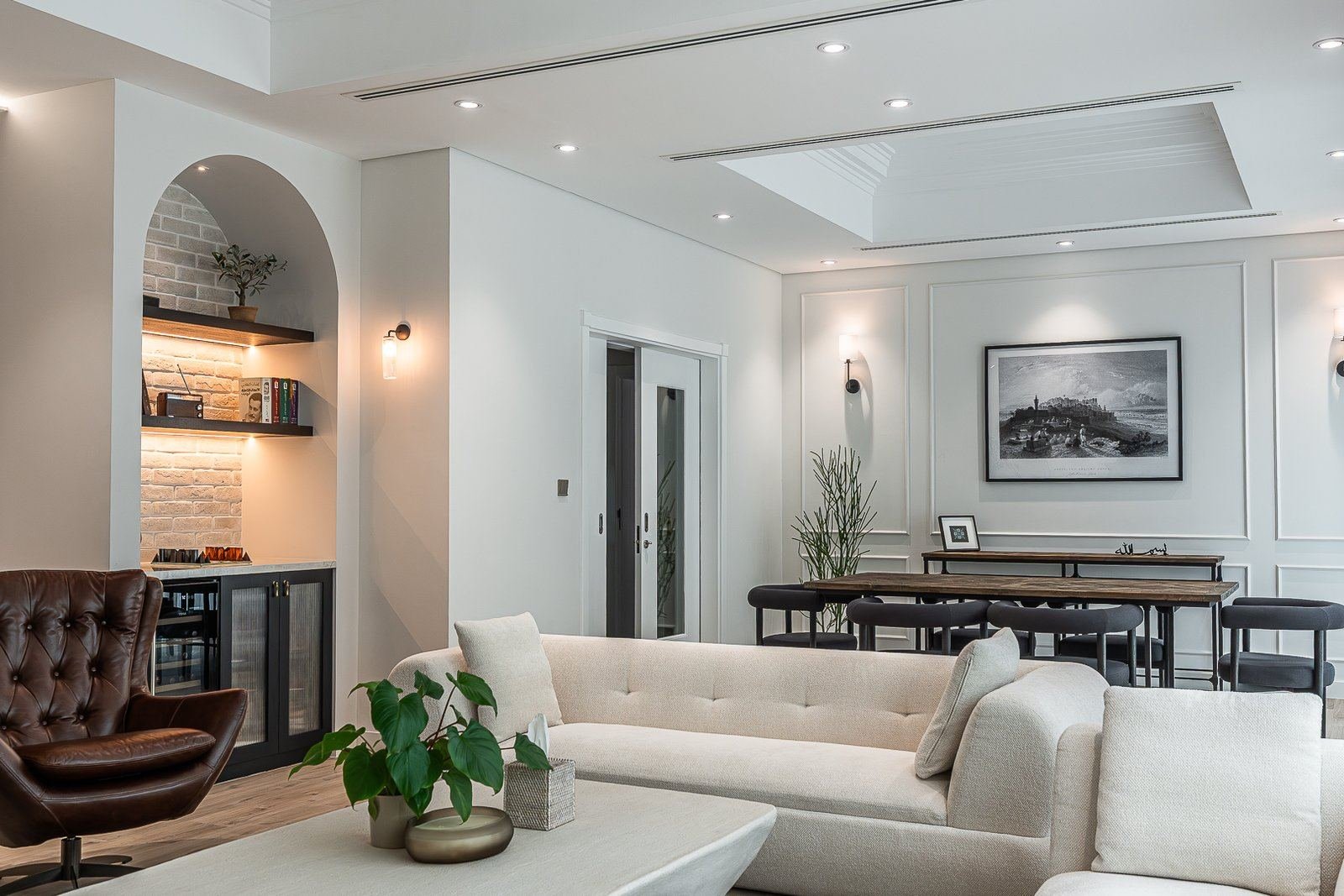
Full-grain and corrected-grain leather recovering, with worn panels and seams repaired where the hide allows.
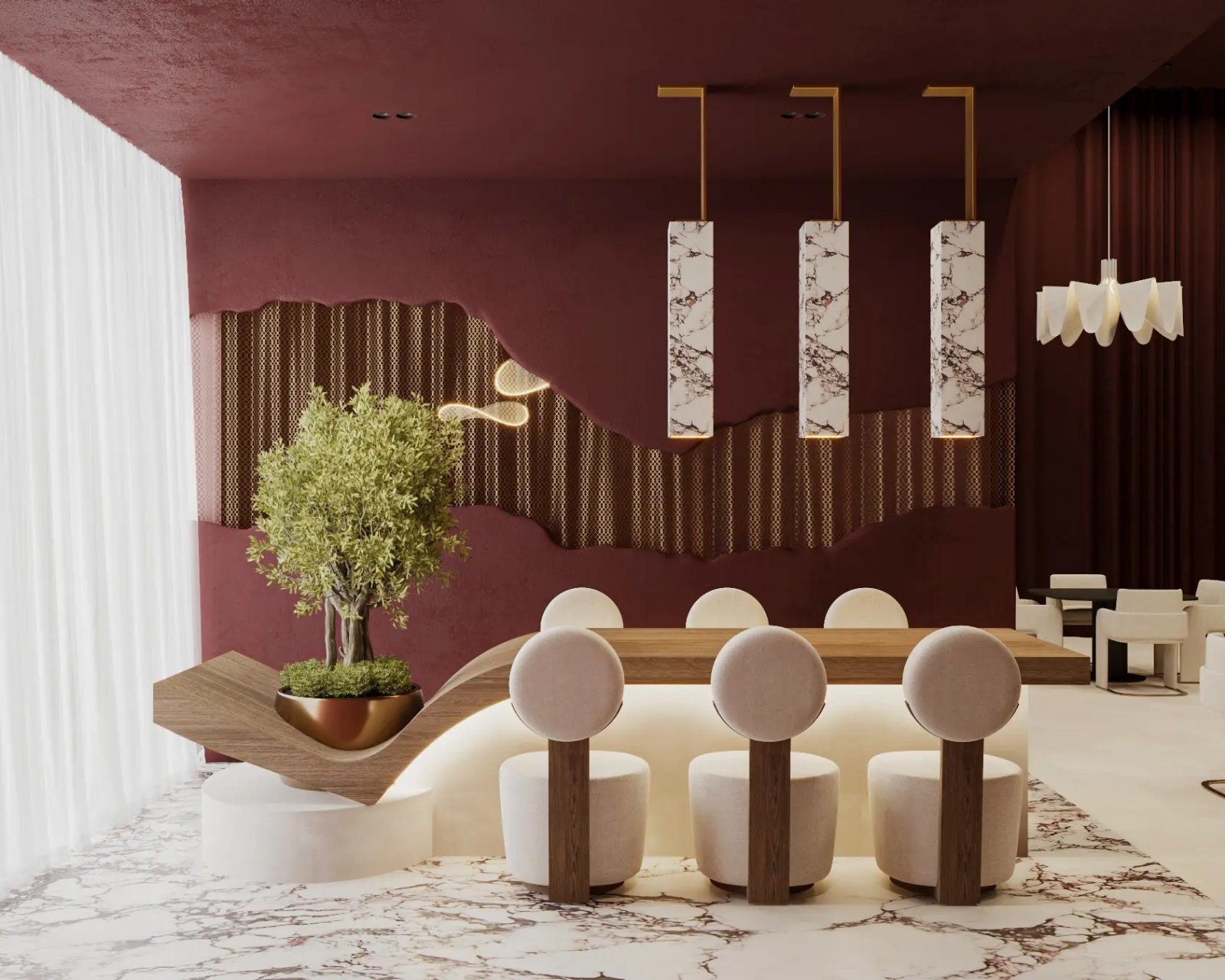
Banquettes and booths recovered overnight or in sections so the dining room never closes.
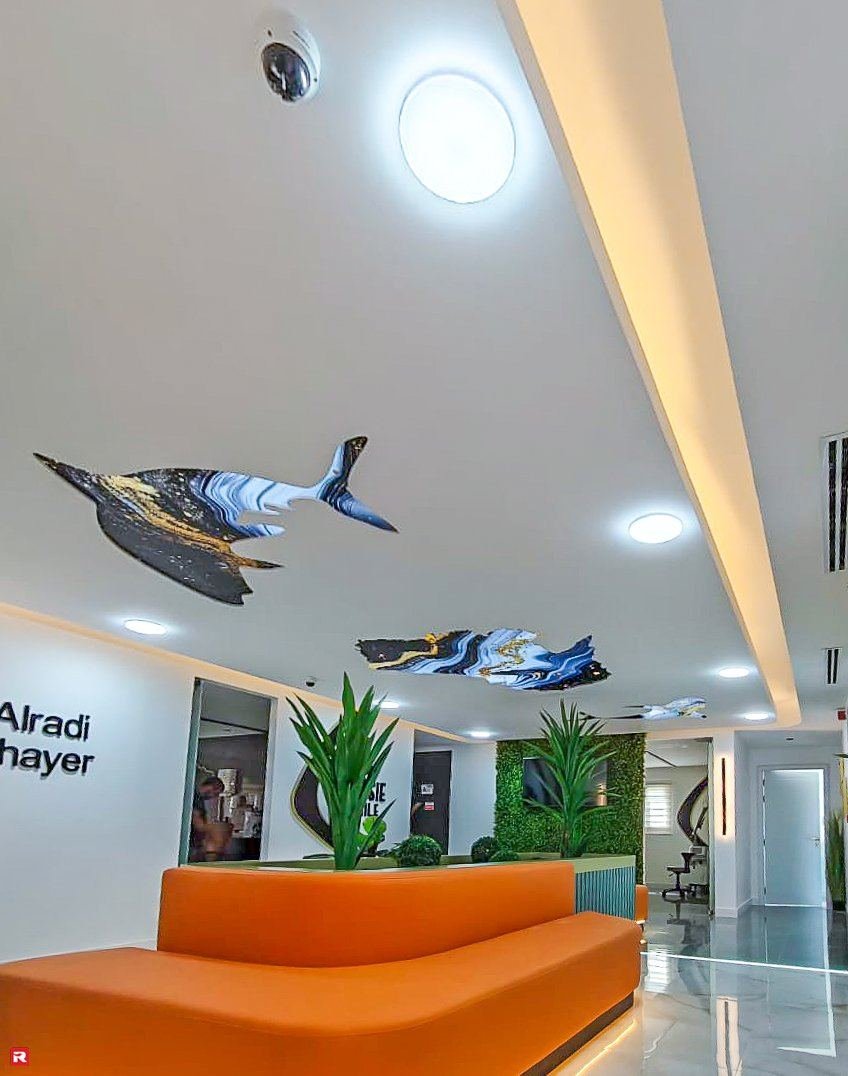
Waiting-area benches, reception seating and breakout furniture in wipe-clean, high-rub-count finishes.
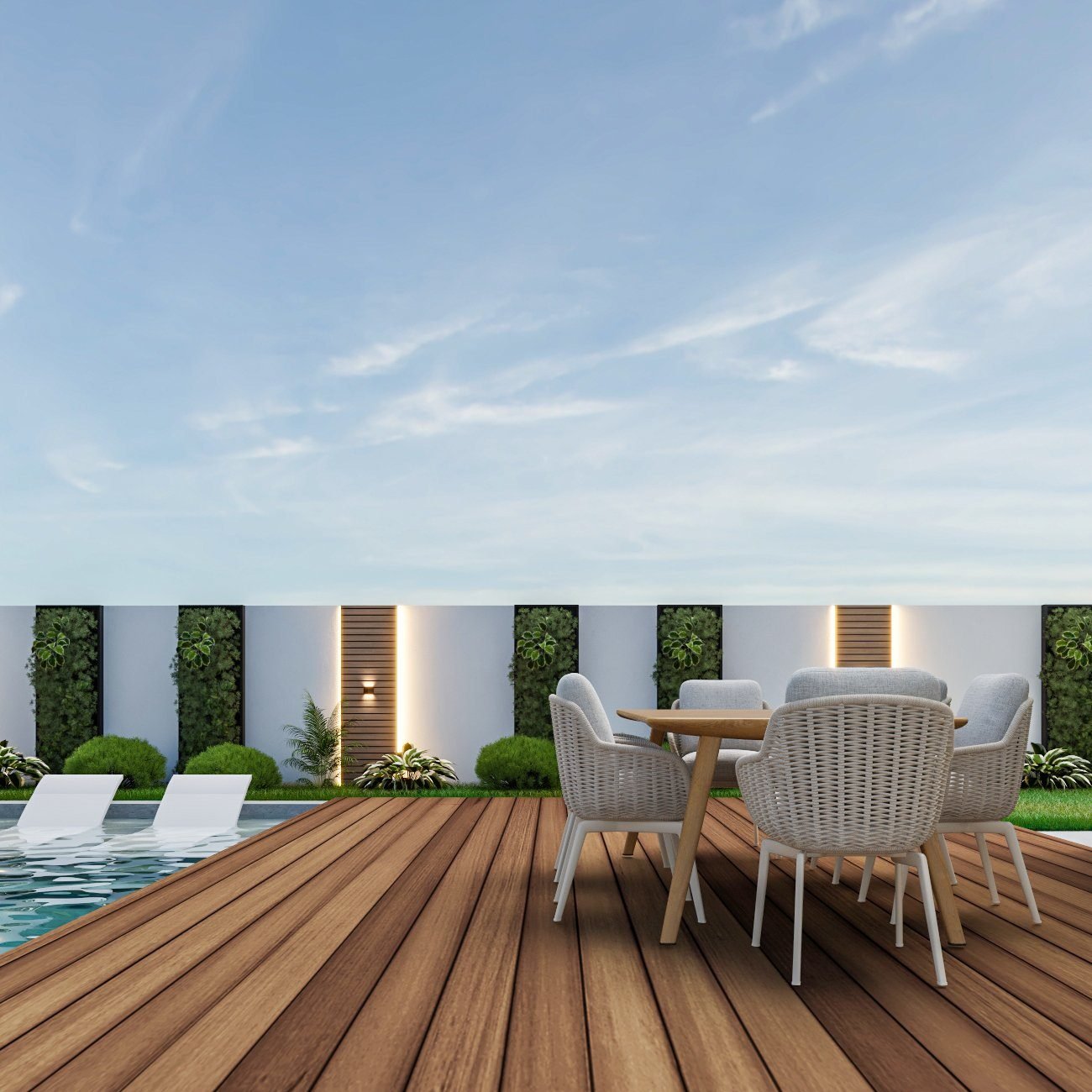
Sofa, sunbed and majlis cushions remade in solution-dyed fabrics with drainable foam that survives the summer.
How it works
You should know whether a piece is worth recovering before you spend anything on it. That is why the first step is a look at the frame, not a price.
Send us a photoSend photographs or book a visit. We check the frame for movement at the joints, press the seat to feel the springs, and look at how the fill has settled. A hardwood frame that is still square is worth almost any amount of recovering; a board frame with collapsed springs usually is not, and we say so.
Physical samples are brought to the room so you can see them against the floor, the curtains and the light. We advise on rub count for the way the piece is used, lightfastness if it faces a window, and cleanability if there are children, pets or customers. Leather is chosen from hides, not swatches.
Our own team collects the piece, photographs its condition and takes it to the workshop in Al Quoz Industrial First. For commercial seating that cannot leave the premises, the work is phased on site.
Cover, fill and old suspension come off. Joints are re-glued and doweled, broken rails replaced, serpentine springs or webbing renewed, and new foam is cut to the density you chose by sitting on it. Timber show-wood is sanded and refinished if you want it.
The piece is upholstered to the original pattern or a new detail — tighter back, deeper buttoning, new piping — inspected at the bench, and delivered and placed by the same team that collected it.
Recent work
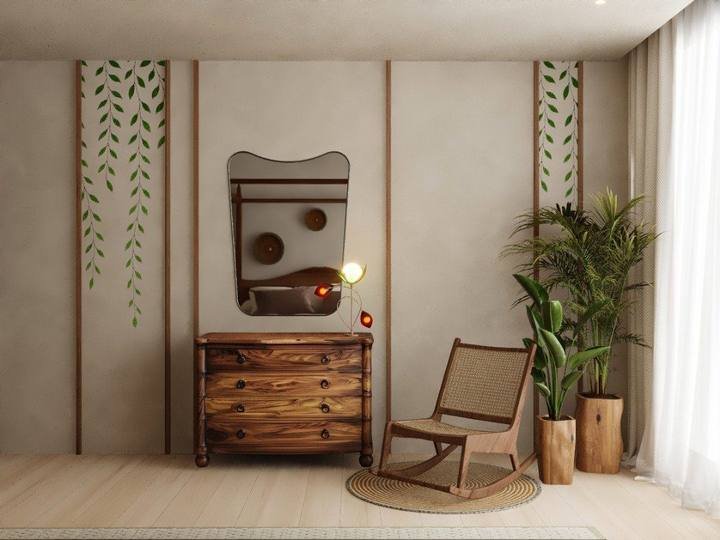
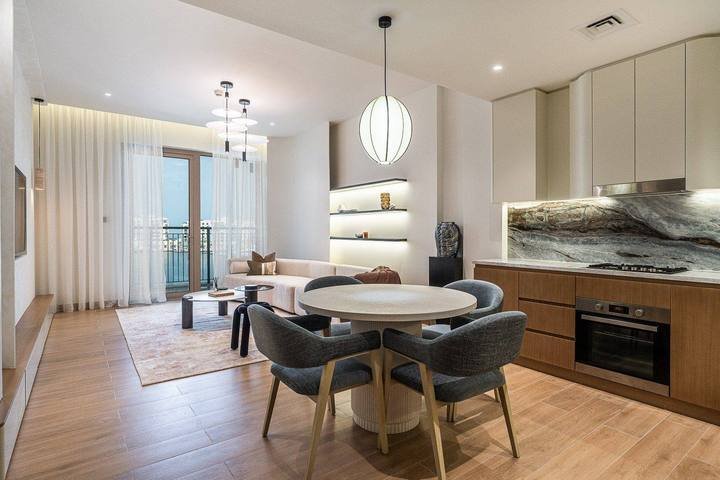
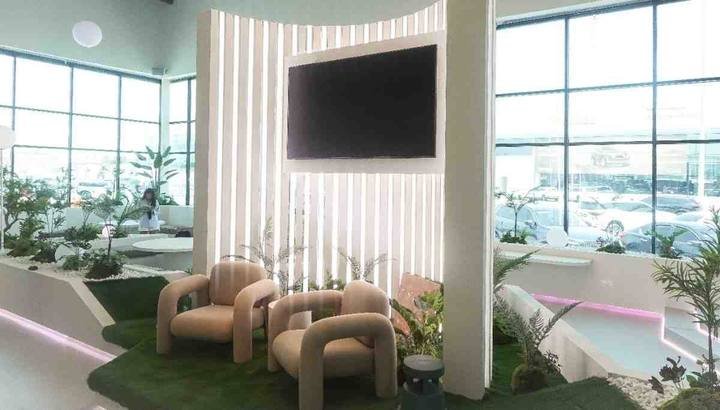
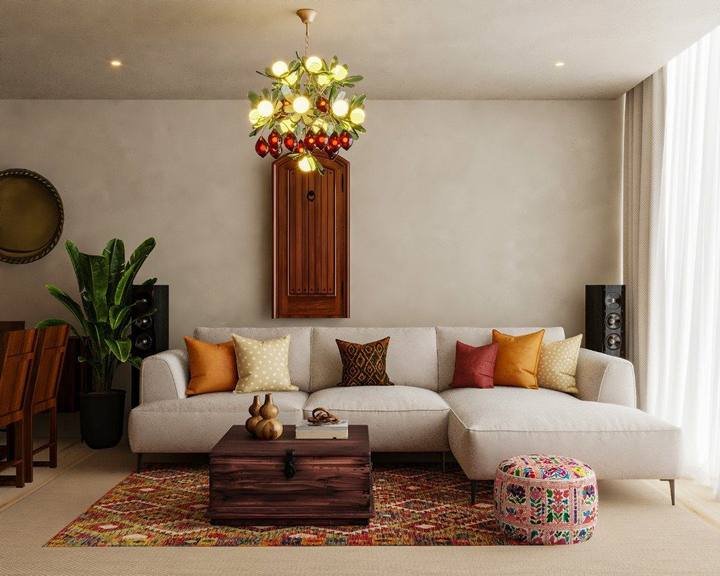
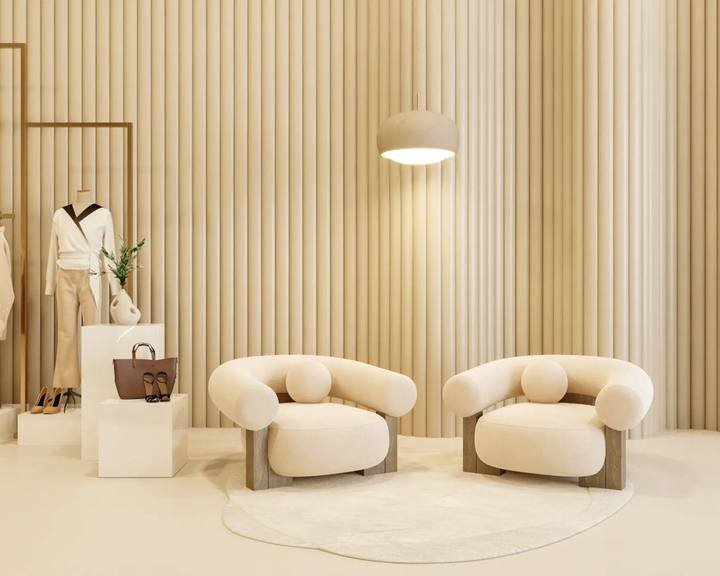
Residences in Downtown, Meydan and Abu Dhabi, and commercial seating in JVC and Al Quoz.


Scope & cost
We quote from the inspection and the fabric, itemised, so you can see what the repair costs and what the cover costs. These are the things that move the number.
A sound hardwood frame needs only re-gluing. Replacing rails, rebuilding an arm or re-doweling every joint is bench time, and on a cheap frame it can exceed the value of the piece.
Renewing serpentine springs or webbing and replacing all the foam is the difference between a sofa that looks new and one that sits new. We recommend it on almost every piece and price it as a separate line.
Quantity depends on the piece and the pattern repeat; a large-repeat print needs more metres than a plain. Contract-grade fabric and leather cost more per metre and last far longer in a Dubai home with children or a business with customers.
Deep buttoning, channelling, fluting, piping and contrast welts each add hours. A plain tight-back piece is the quickest to recover well.
Workshop work is cheaper and better. Banquettes fixed to a restaurant wall have to be done on site, usually out of hours, and carry that cost.
Sanding and re-polishing exposed legs, arms and frames is optional, and worth it when the timber has marked or the colour no longer suits the new fabric.
A photograph of the piece and the room is enough for an honest first opinion on whether it is worth recovering. We will then visit with samples and quote the repair and the cover separately.
Common questions
Reupholster or replace, fabrics, leather and how collection works. If yours is not here, call +971 50 448 3095.
It depends entirely on the frame. A hardwood frame that is still square and a suspension that can be renewed will give you a piece as good as new, in exactly the fabric you want, usually for less than an equivalent new sofa of the same build quality. A board or softwood frame that has moved is not worth recovering, because the cover will hide the problem for a few months and then show it again. We inspect first and tell you which you have.
We recommend replacing both on almost every piece and price them as separate lines so you can decide. Old foam has lost its density whether or not it looks worn, and springs that have stretched will not recover. A new cover over old fill is the most common reason reupholstered furniture disappoints.
Yes. We work in full-grain and corrected-grain leather and will advise which suits the piece and the room. Leather in a constantly air-conditioned Dubai home needs the right finish and occasional conditioning; we will tell you how to look after it. Where only one panel is worn we can sometimes replace that panel rather than the whole cover, if a close hide match is available.
Three things matter: sun, air conditioning and use. A piece that faces a window needs a fabric with a strong lightfastness rating or it fades on one side. Constant air conditioning dries natural fibres. A family sofa or a restaurant seat needs a high rub count and a face that can be cleaned. We bring samples to the room and rule out the ones that will not survive it.
Yes, with our own team and vehicle, across Dubai and to Abu Dhabi and Sharjah. We photograph the piece on collection so its condition is recorded, and the same team delivers it back and places it in the room. Tower apartments are no problem; we check the lift and the access route when we collect.
Yes. Fixed banquettes and booths are done on site in sections, usually overnight or in the quietest trading hours, so the dining room or the waiting area stays open. Loose chairs are taken to the workshop in batches so there is always enough seating on the floor.
Within the limits of the frame, yes. A loose-back sofa can become a tight back, buttoning can be added or removed, arms can be reshaped, legs replaced and the seat made firmer or deeper with different foam. If you want a different shape altogether, a custom sofa from the same workshop is the better route.
Yes. Headboards and divan bases are recovered to match a new bedroom scheme, or replaced with a made-to-measure headboard. Dining chairs are recovered in contract-grade fabric or leather, with the frames tightened and the timber refinished if you want it.
Either. We carry residential and contract ranges and bring samples to you. If you have fabric you already own or have sourced, we will check it is suitable for upholstery — some curtain and dress fabrics are not — and tell you how much is needed before you buy it.