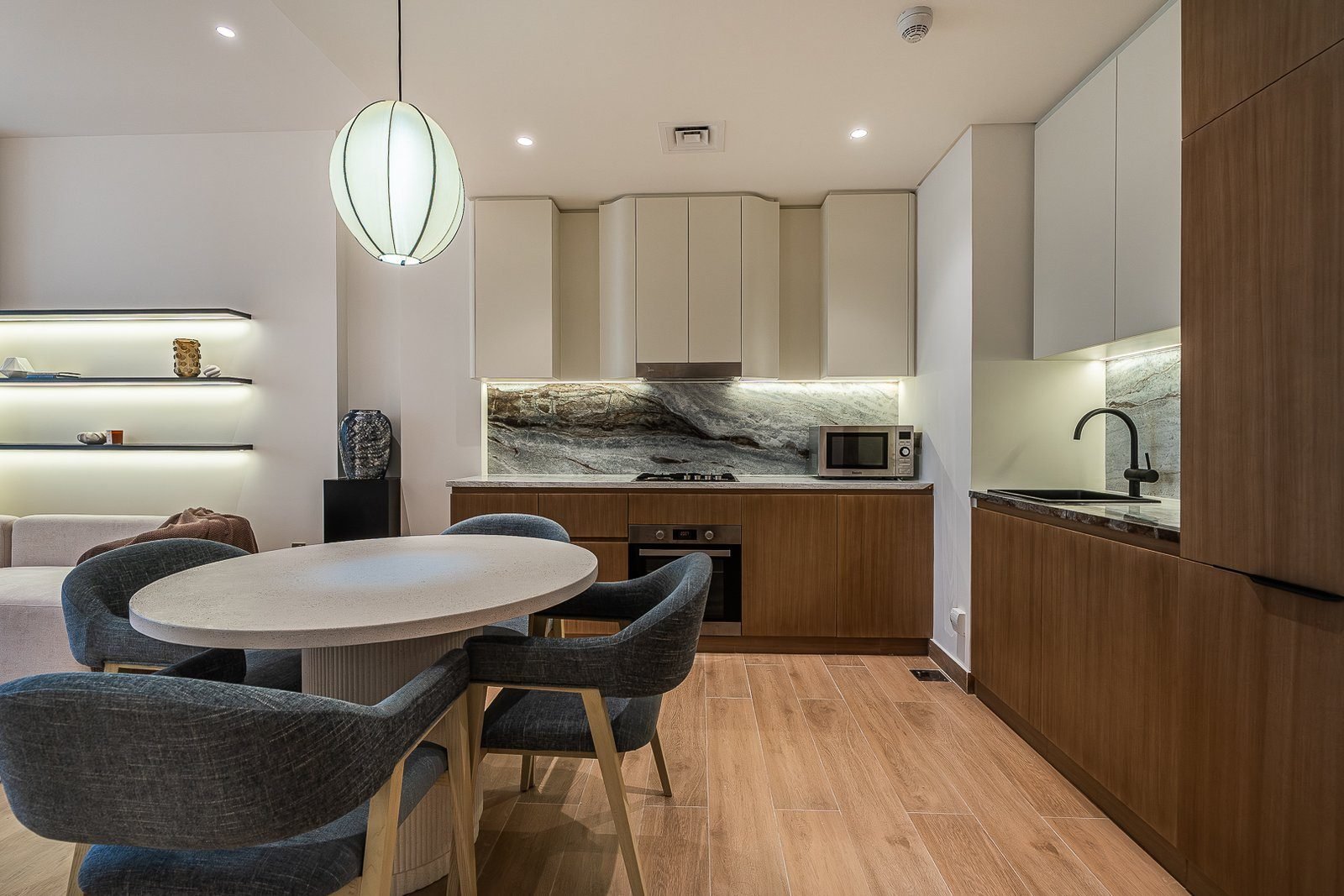
Apartment renovation
Full or partial renovation of tower apartments across Downtown, Dubai Marina, JLT, JVC, Business Bay and La Mer — with the building NOC, developer approval, service-lift bookings and working-hour rules handled by us, not left to you.
A villa renovation answers to the developer. An apartment renovation answers to the developer and the building: the facilities manager decides which hours you can work, which lift your materials go up in, how much noise is allowed and when, what deposit is held against the lobby and corridors, and whether your contractor is permitted on site at all. Most quotations you receive will say nothing about any of this, because the firm has priced the works and left the building to you.
We renovate in managed towers every month. Before we quote, we read the building’s fit-out guide, confirm whether the master developer also needs to approve, and find out whether the scope touches drainage, electrical load or fire systems — because that decides whether Dubai Municipality, DEWA and Civil Defence join the route. Then we price the works, book the lift, protect the common areas and start joinery in our own Al Quoz workshop while the paperwork runs.
What an apartment renovation covers
Most of our apartment work is a full renovation between owners or tenancies, but single-room and single-trade packages are common too.
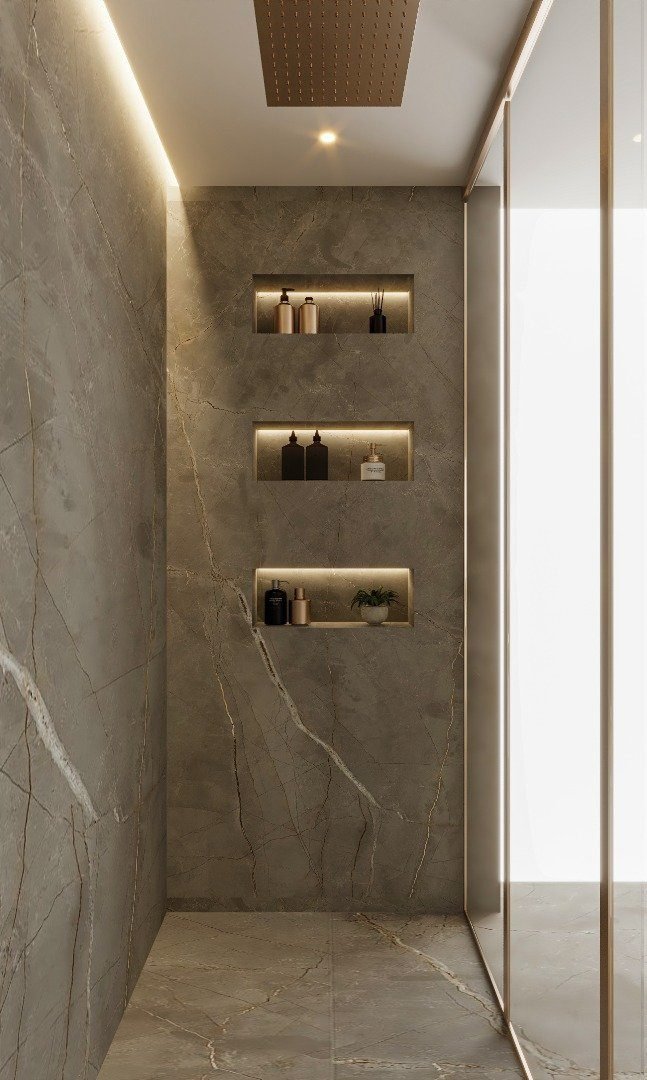
Strip-out and rebuild across every room — MEP, ceilings, flooring, joinery and finishes under one programme. See the Downtown residence.

Closed-to-open conversions, relocated kitchens and cabinetry from our workshop, with gas, drainage and extraction coordinated.
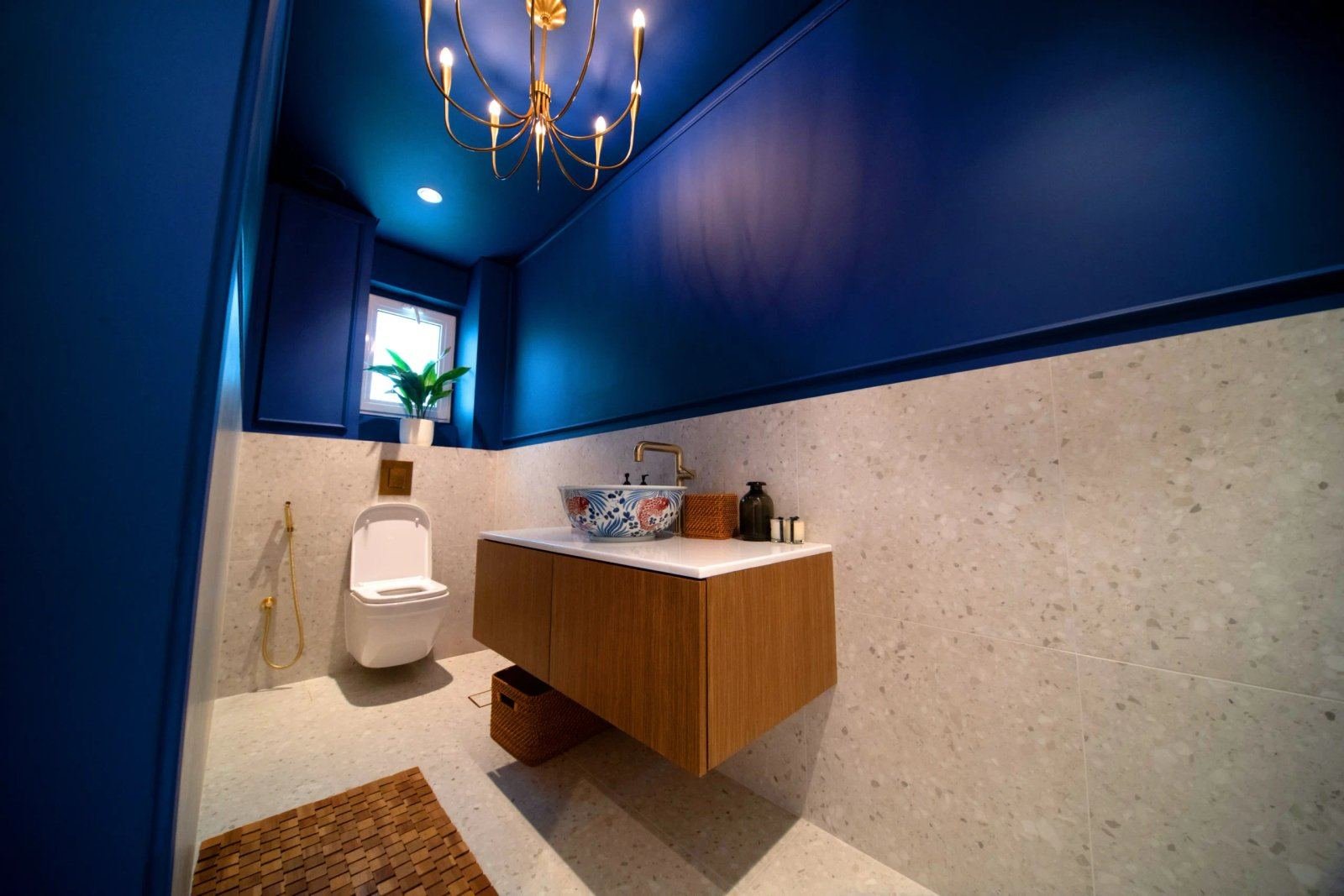
Waterproofing, falls, sanitaryware and vanities, with the plumbing changes most tower bathrooms need once the tiles come off.
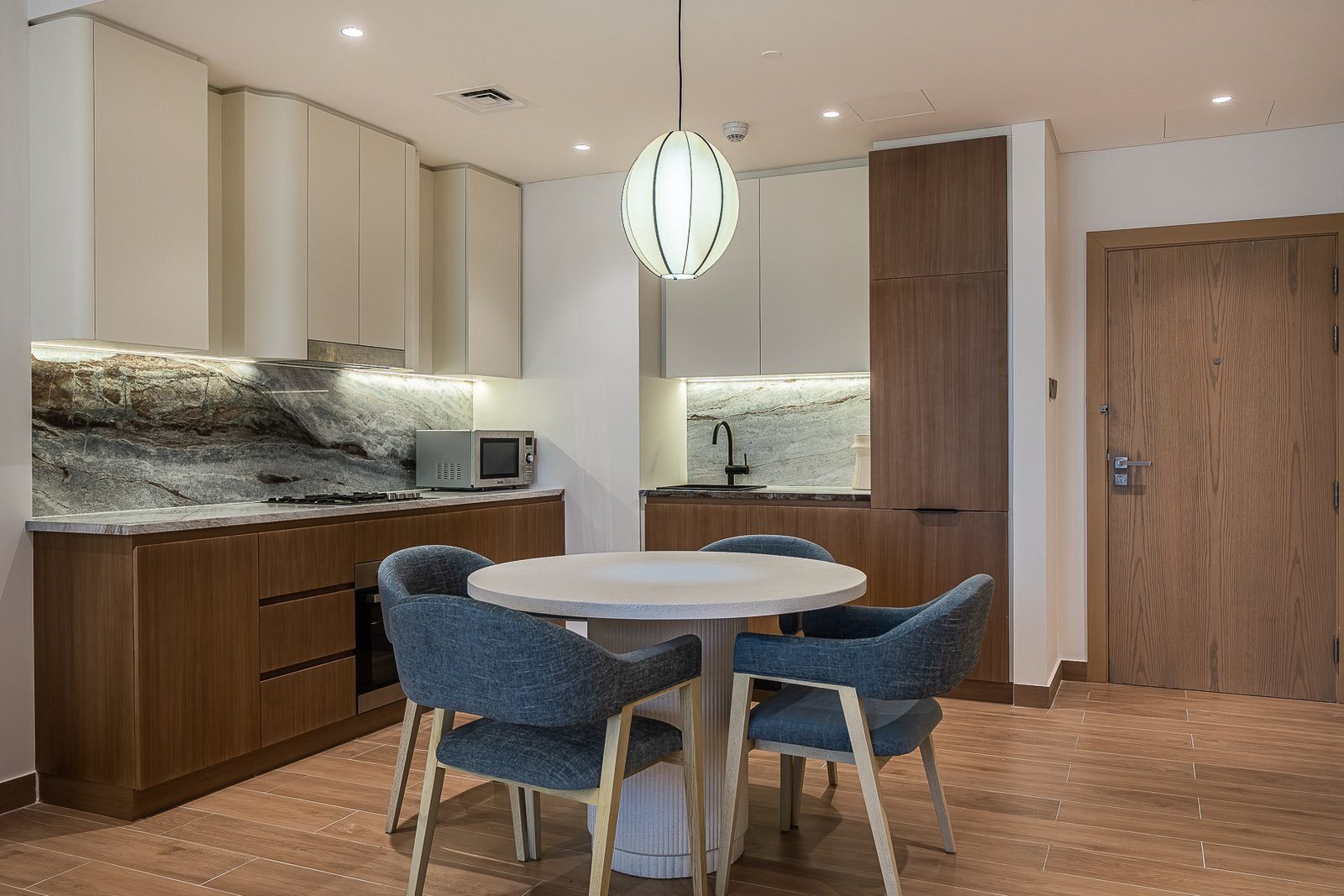
Porcelain, timber or SPC over the existing screed, gypsum ceilings with concealed coves and relocated AC grilles.

Wardrobes, media walls, study units and concealed storage, made in Al Quoz to the apartment’s exact dimensions.
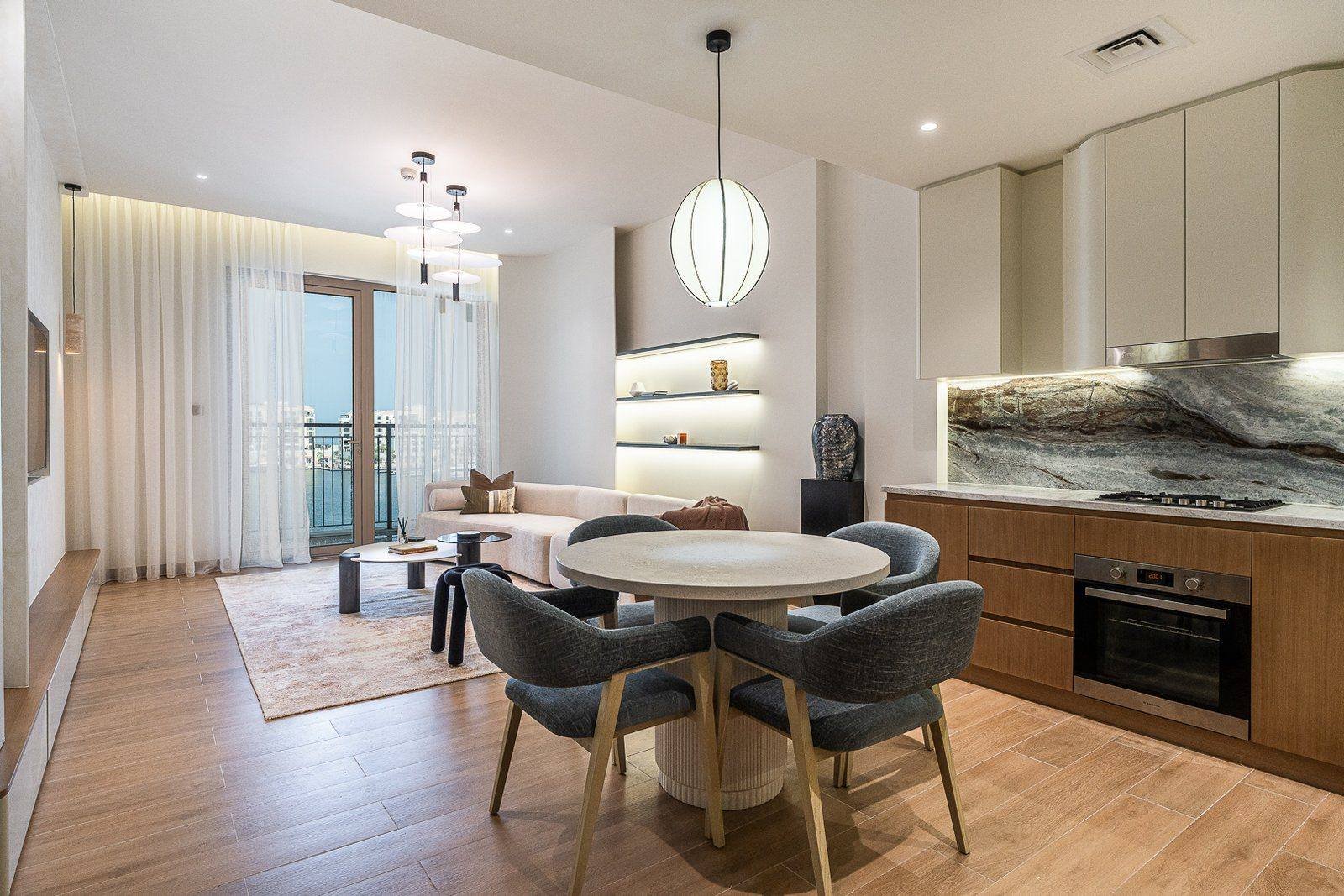
Durable, neutral specifications for landlords upgrading between tenancies, sequenced so the unit is back on the market quickly.
Approvals & logistics
Three layers, and the building’s own fit-out rules on top. We read them before we quote, because they change the programme.
How we handle approvalsTenants need the landlord’s written consent before anything is submitted; without it the building will not issue an NOC. Owners act through the owners association or its management company, which may also hold a rule book on what can change — some buildings prohibit hard flooring in bedrooms above another unit, or any change to the facade line, including balcony enclosures.
The facilities manager issues the renovation NOC against drawings, a method statement and your contractor’s trade licence and insurance. The fit-out guide sets working hours (noisy work is often restricted to a mid-day window), lift bookings, where skips sit, how corridors and lifts are protected, and the refundable deposit held against damage. Breaching it gets the site stopped, so we treat it as part of the contract.
Towers in Downtown, Dubai Hills and Creek Harbour sit under Emaar; JVC, Discovery Gardens and Palm Jumeirah under Nakheel; City Walk and La Mer under Meraas. Each has its own approval process and drawing format, and some require the contractor to be on its registered list. We hold registration with all six major developers and submit in the format each one wants.
Painting, flooring and joinery usually stop at the building NOC. Moving a kitchen or bathroom, adding a distribution board, or touching sprinklers and smoke detection brings Dubai Municipality (or Trakhees in Nakheel and PCFC areas), DEWA and Civil Defence into the route. We tell you at survey which category your scope falls into, so there is no surprise mid-way.
Recent apartments
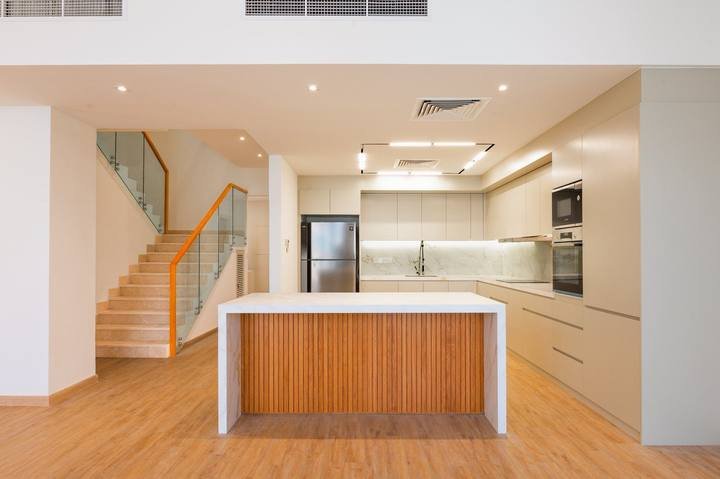
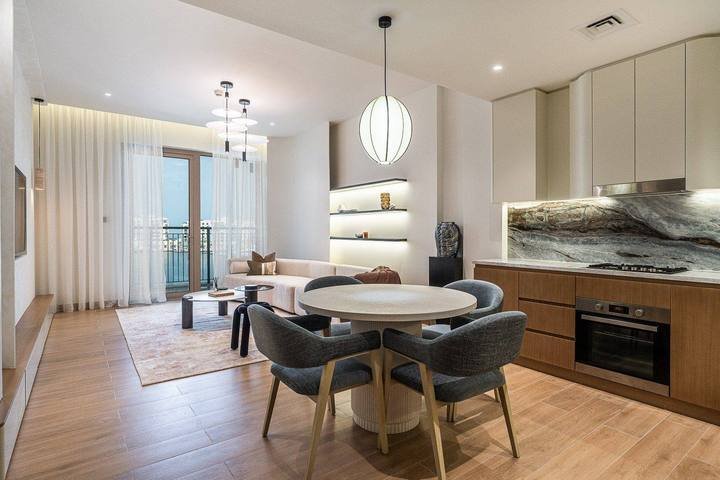
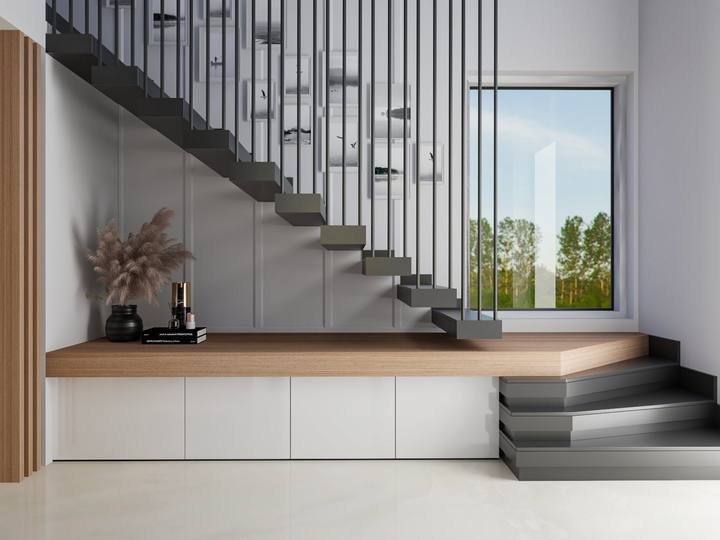
Downtown, La Mer, Meydan and Lamar in Abu Dhabi.




Scope & programme
We price line by line in a BOQ after a site visit rather than quoting a rate blind, and issue a dated programme that already accounts for the building’s working hours. These are the decisions that move both.
Paint, flooring, lighting and joinery with the plan untouched is the quickest route and usually needs only the building NOC. Moving a wall, a kitchen or a bathroom adds a permit route and an engineer.
In a tower, drainage runs through the slab to fixed stacks. Relocating a kitchen or bathroom means new falls to the nearest stack, waterproofing and DEWA sign-off, and is the single biggest step up in cost and programme.
A building that allows noisy work only in a short mid-day window, or shares one service lift between several fit-outs, stretches the programme. We read the fit-out guide before we commit to a date.
Kitchens, bathrooms and joinery usually take more than half the budget. Flooring and ceilings follow. Paint is the smallest line and the most visible.
Renovating around a family means phasing by room, sealing dust and losing the kitchen for a period. A vacant unit between tenancies is faster and cheaper, and we say so at quotation rather than as a variation later.
Imported stone, specified tiles and appliances set the critical path more often than labour does. We confirm lead times before the programme is issued, and start joinery production during the approval wait.
Tell us the building and roughly what you want to change. We will visit, measure, read the fit-out guide, tell you which approvals apply, and come back with a BOQ you can compare line by line against other quotations.
Common questions
Permissions, building rules, renting out and living through the works. If yours is not here, call +971 50 448 3095.
Yes, at least from the building. Every managed tower issues a renovation or fit-out NOC against drawings, a method statement and the contractor’s licence and insurance. Towers in master-planned communities also need the developer’s approval, and any change to drainage, electrical load or fire systems adds Dubai Municipality or Trakhees, DEWA and Civil Defence. Cosmetic work — paint, flooring, joinery — usually stops at the building NOC. We confirm the route at survey and make every submission as part of our scope.
With the landlord’s written consent, yes. The building will ask to see it before issuing an NOC. Most landlords agree to non-structural improvements, and some contribute to work that raises the unit’s value. We can prepare a short scope document for the landlord to sign before anything goes to the building.
Yes, and it is a large part of our apartment work. We specify for durability and neutrality — porcelain rather than timber in high-traffic areas, hard-wearing joinery finishes, simple lighting layouts — and sequence the programme so the unit is photographed and listed as early as possible. Because we build to the building’s working hours from the start, the dates we give you are the dates the unit is ready.
Non-structural partitions can usually be removed with the building’s NOC and, where the developer requires it, their approval. Opening a kitchen to the living room often needs a Civil Defence view on the gas and extraction arrangement, and in some buildings an enclosed kitchen is mandatory for gas supply. Structural walls, columns and slabs need a structural engineer and an authority permit, and some buildings prohibit changes to them outright. We check what your building allows before you commit to a plan.
Sometimes. Drainage in a tower runs to fixed stacks through the slab, so the new position has to achieve a fall to the nearest stack without cutting structure. Where it is possible it brings waterproofing, a DEWA sign-off and an authority permit with it, and it is the biggest single step up in cost and programme. We survey the stacks before telling you yes or no.
The building sets this, not us. Most towers restrict noisy work — drilling, tile removal, chasing — to a defined daytime window and prohibit it on Fridays or public holidays. Quiet work such as painting and joinery installation can usually run across the full permitted day. We programme around the building’s rules from the start, and inform neighbouring units before strip-out.
Yes. We book the service lift, protect lifts, lobbies and corridors to the building’s standard, arrange skip placement and debris removal, and lodge the refundable deposit the building holds against damage. It is returned at completion against the facilities manager’s inspection, which we attend.
Yes. We are a registered contractor with Emaar, Nakheel, Meraas, Dubai Holding, Nshama and DAMAC, so we can take your apartment through the developer’s approval process directly. See our Downtown Dubai and JVC pages for how approvals run in those towers specifically.
For a single room or a single trade, usually yes. For a full renovation we advise against it: strip-out, first-fix MEP and screeds make an apartment unliveable, and working around occupants adds time. Where clients do stay, we phase by room and seal the active area with dust screens, but it is slower and costs more.