Mall unit & kiosk fit out
Kiosks, retail merchandising units and compact mall units across Dubai — designed to the mall’s kiosk guidelines, fabricated and wired in our own Al Quoz workshop, carried through the mall’s design and technical review, and installed overnight so it trades the next morning.
A mall kiosk is built almost entirely off site and then has to satisfy the same people a full shop does: the mall’s design team on footprint, height, sightlines and materials; its technical team on the electrical design and the connection to the floor box; Food Control if it serves anything to eat or drink. The pitch is rented from the day it is confirmed, and the kiosk can only be delivered through the loading bay after closing. A joinery shop that has never worked in a mall discovers this on the night, with the unit on a pallet and the mall’s inspector asking for a certificate it does not have.
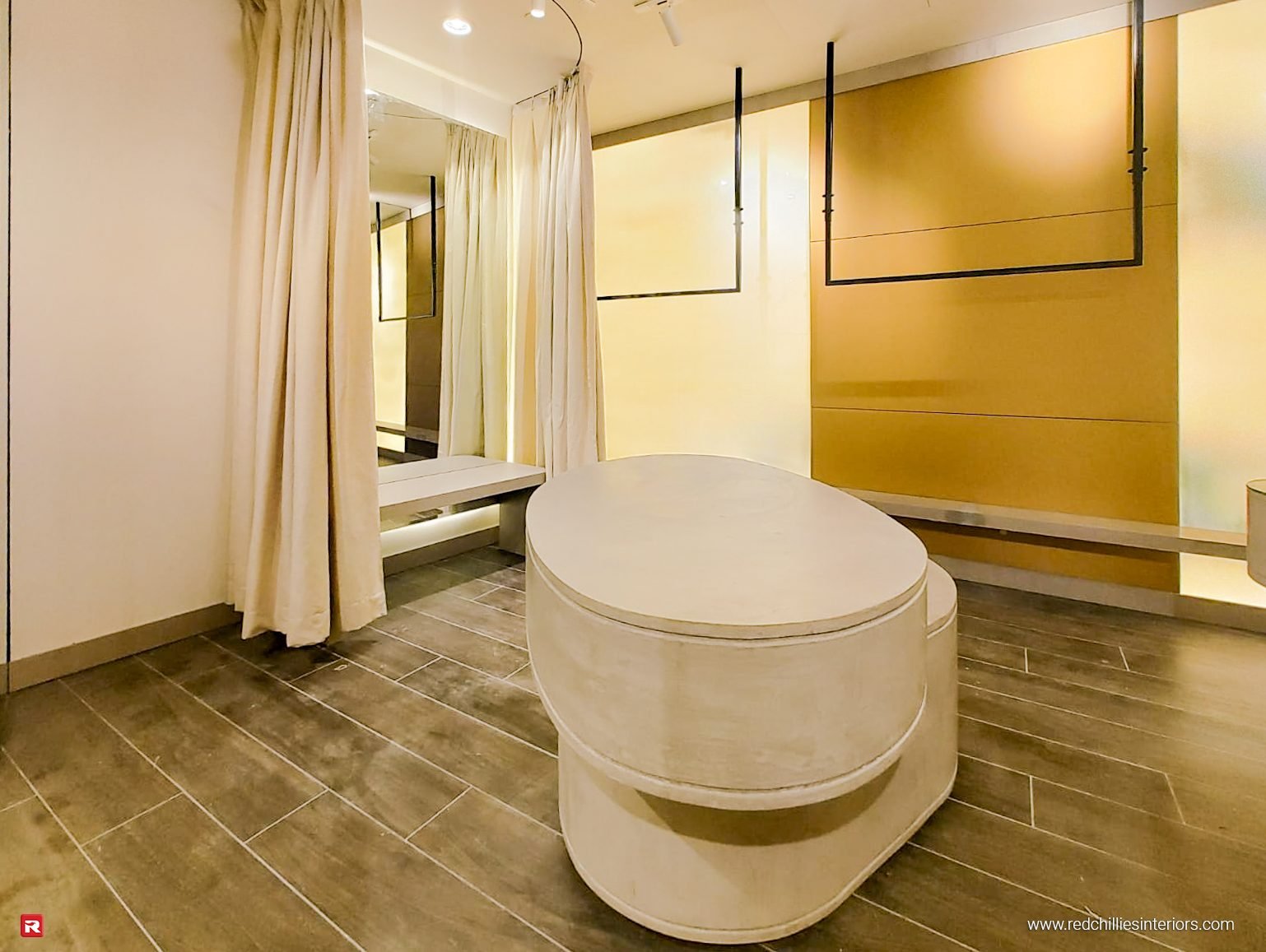
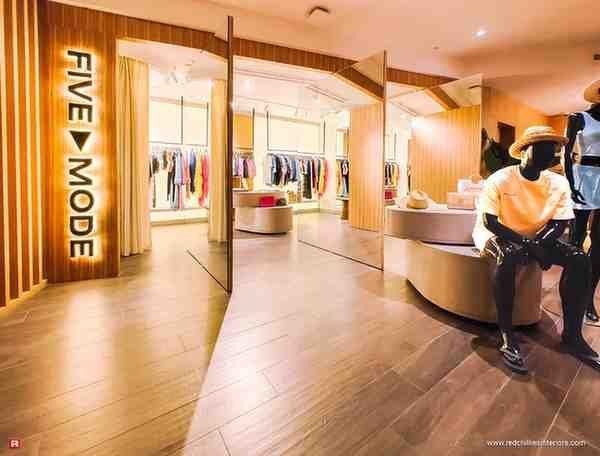
We design kiosks from the mall’s manual, build them as a finished, wired and dry-assembled unit in our own Al Quoz workshop with our in-house joiners, and carry the design review, technical approval and electrical certification before the delivery is booked. Installation is a single overnight operation. The same workshop built the display joinery for Five Mode and the arched screens for the Mirdif boutique, and it builds kiosks to the same standard — because a kiosk is judged from closer than any shopfront.
What we design and build
Freestanding kiosks, wall-backed units, retail merchandising units on a mall’s standard chassis, and compact inline shops fitted out to the same process.
Counters with sinks, water, drainage, refrigeration and extract provision, and the Food Control review a food kiosk needs.
Display, lockable storage, point of sale, branding and lighting for cosmetics, accessories, fragrance and gifting.
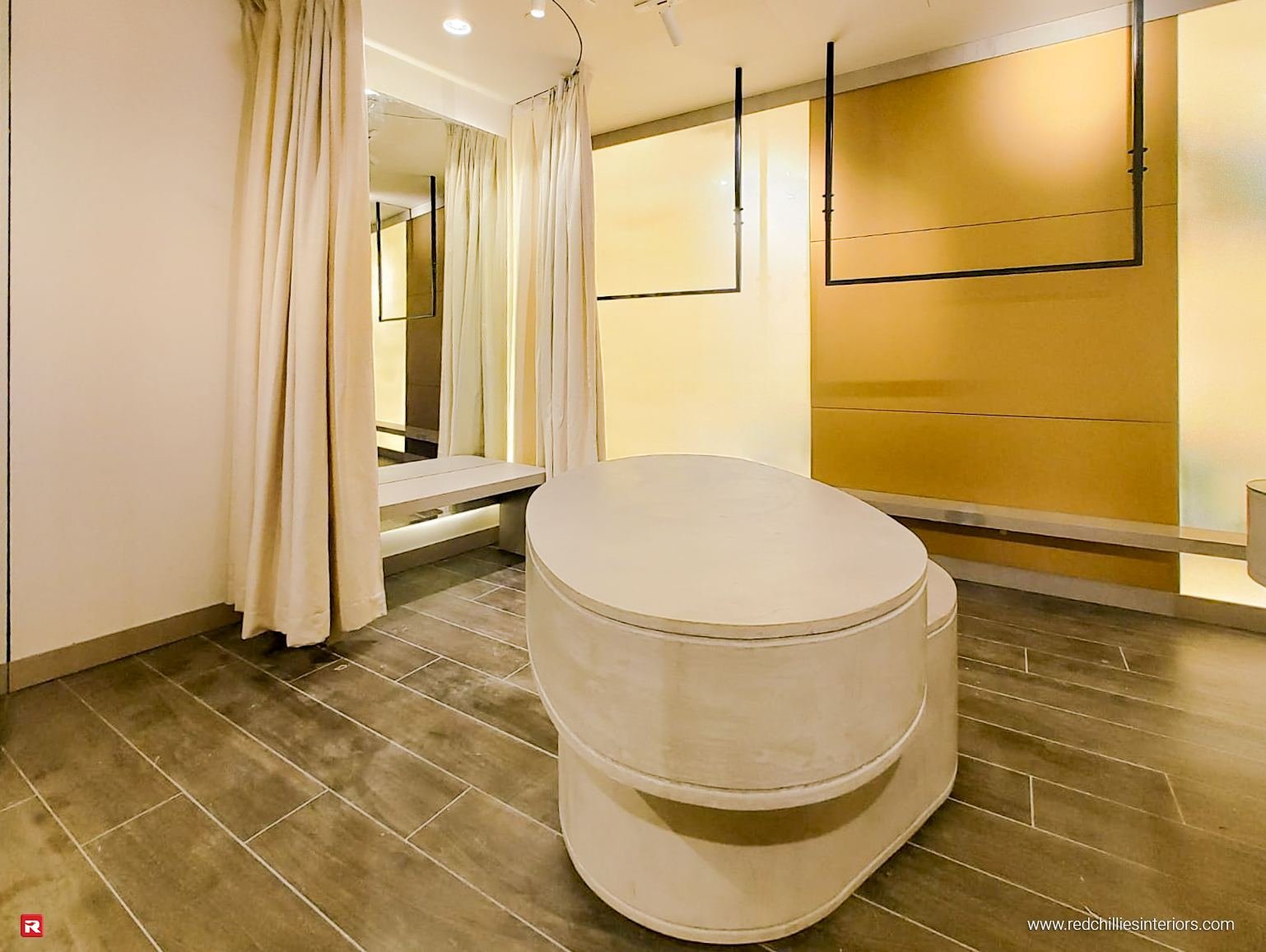
Consultation counters, screens, secure storage and data provision for telecoms, banking, property and services.
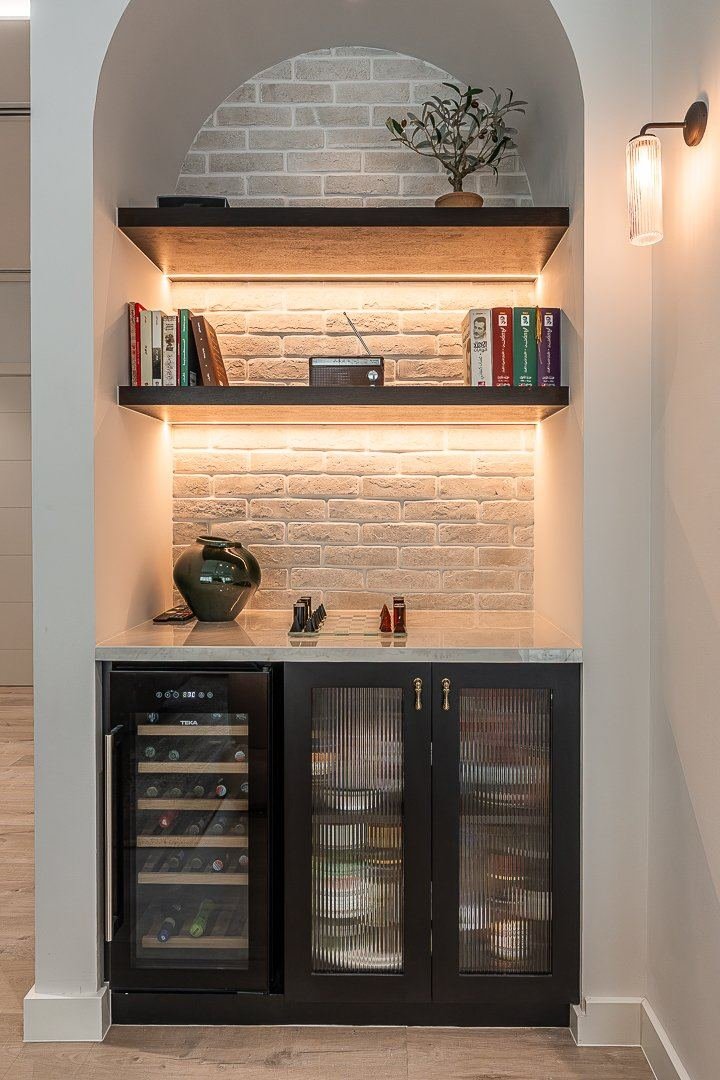
Branded skins, display and storage built onto the mall’s standard merchandising unit where that is what the lease provides.

Compact shops fitted out shopfront to stockroom under the mall’s full fit out manual.
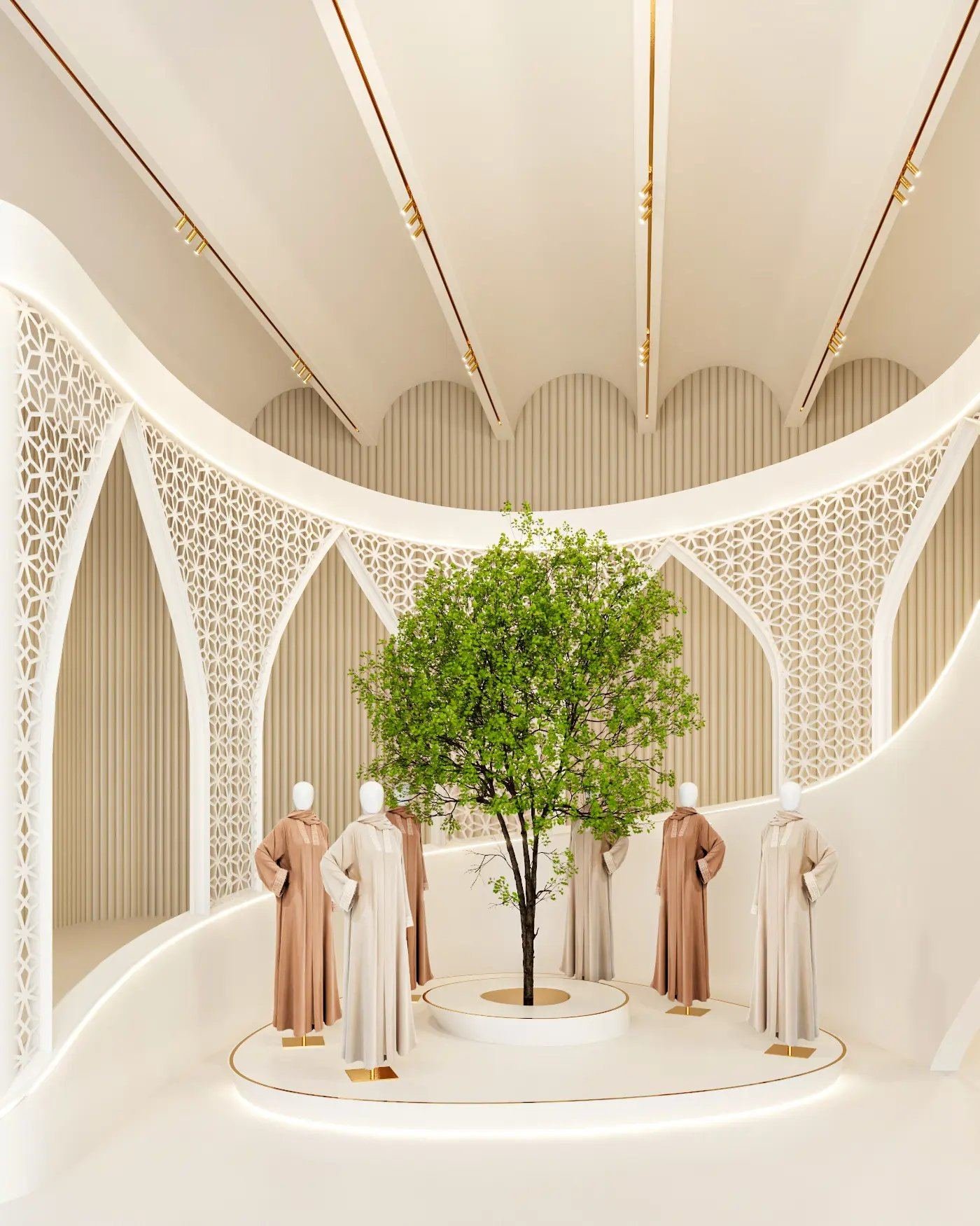
Moved to a new pitch or re-skinned for a new brand overnight, with the mall’s re-approval handled.
Mall approvals & installation
The mall is the authority for most of it. Six steps from pitch confirmation to trading, and the kiosk only leaves the workshop at step five.
How we handle approvalsOn confirming the pitch the mall issues its kiosk guidelines: maximum footprint and height, open sightlines so the kiosk does not block neighbouring shopfronts, permitted materials and finishes, illumination limits, the power provision at the floor box, and the delivery and working rules. Emaar, Majid Al Futtaim, Nakheel and Dubai Holding malls each have their own, and designing before reading it is how kiosks get rejected.
Concept, then detailed drawings of the kiosk, branding and signage go to the mall’s design team. They check it against the manual and against the neighbouring tenants. We draw to the manual so it passes first time, because every round of comments is rent on an empty pitch.
The mall’s technical team approves the electrical design, the connection to the floor-box supply and the load. Food and drink kiosks add Dubai Municipality Food Control review of the counter, sink, refrigeration and hand-wash provision, and the trade licence depends on it. Illuminated signage sits within the mall’s illumination rules.
The kiosk is built in our Al Quoz workshop as a finished unit: joinery, counters, display, lockable storage, lighting, signage and wiring, dry-assembled, tested and inspected before it is broken down for delivery. Nothing is finished on the mall floor.
Delivered through the loading bay after closing in a booked slot, positioned on the pitch, assembled, connected to the floor box by a certified electrician, tested and cleaned, so it trades when the mall opens. One night for most kiosks; the mall’s rules decide the hours.
The mall inspects the installed kiosk against the approved drawings and keeps the electrical certificate on file. We hand over the drawings, the certificate and a maintenance note for the finishes, because a kiosk is touched by more hands in a day than a shop is in a week.
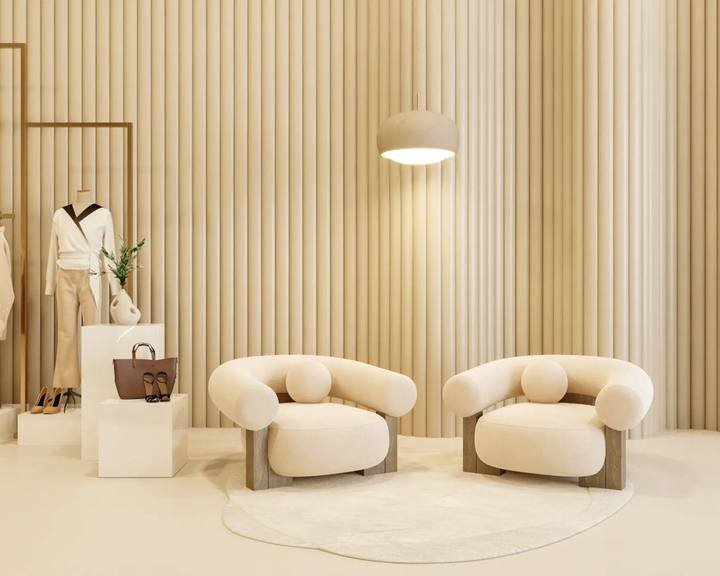
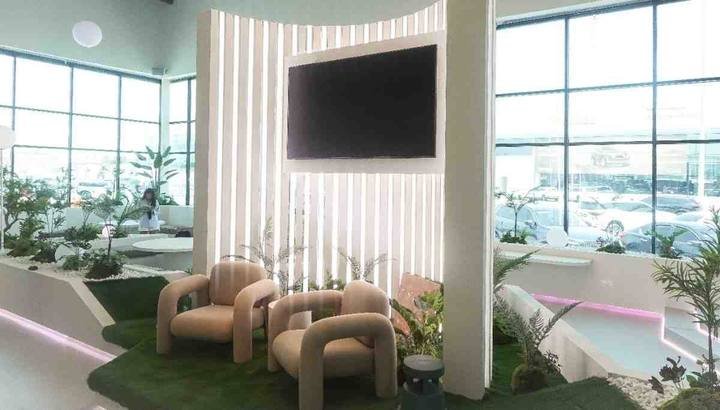
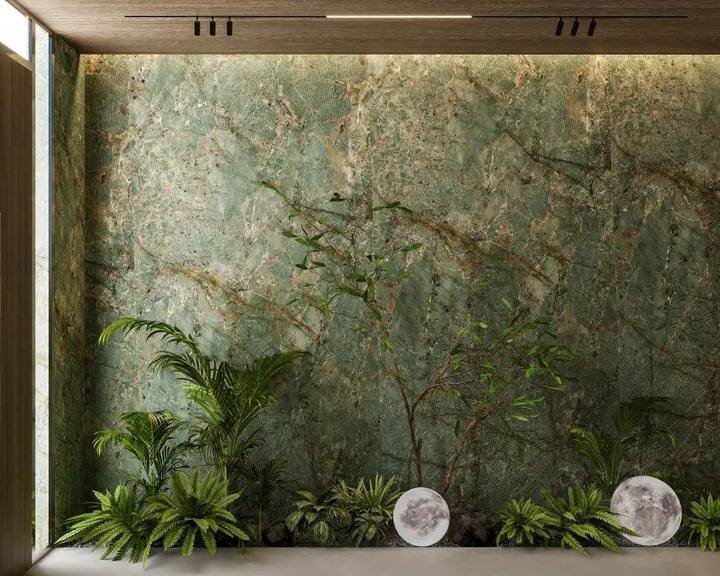
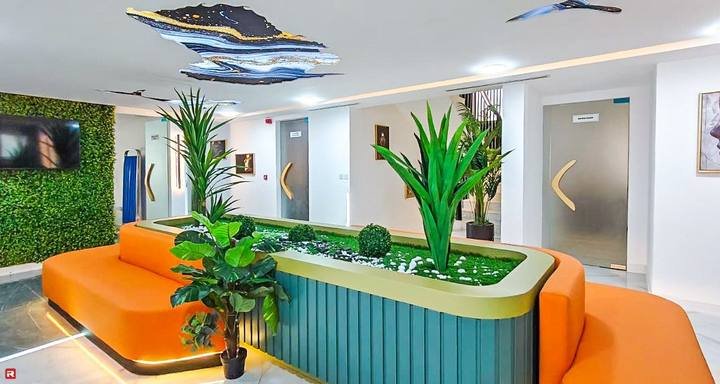
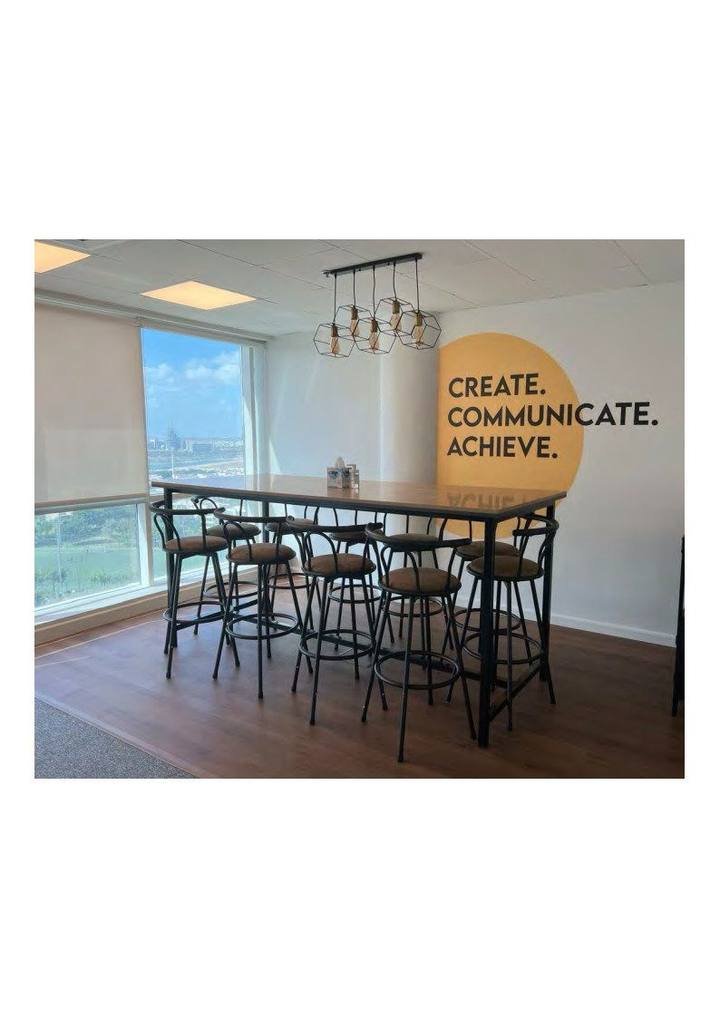
Recent retail and workshop-built work
JVC, Mirdif, Al Quoz, JLT and Jumeirah.


Scope & programme
We price a kiosk line by line after reading the mall’s manual and the brand guidelines, and programme it from pitch confirmation to the installation night. These are the decisions that move both.
A coffee or F&B kiosk carries a sink, water and drainage, refrigeration, often extract, and the Food Control review. A retail kiosk carries none of it. This is the biggest single swing in both scope and approvals.
A kiosk is seen and touched from arm’s length by thousands of people a day. Solid surface counters, durable laminates and metal trims cost more than painted MDF and last the lease; the mall’s manual often sets a minimum.
Illuminated signage, display lighting and backlit panels on a single certified supply, within the mall’s illumination rules. Lighting is where a kiosk either reads as a brand or as a stall.
What the floor box provides against what the kiosk needs. Refrigeration, coffee machines and screens can exceed the allocation, and a load upgrade is a mall and DEWA matter raised early.
A kiosk designed as a kit of parts can be relocated, re-skinned and repeated across malls, each under its own design review. Designing for that at the outset costs little and saves a new build at the next pitch.
The mall’s design and technical review, the Food Control review for food kiosks, and long-lead items such as refrigeration and branded signage. Workshop fabrication runs during the review so the install night is booked as soon as approval lands.
Tell us the mall, the pitch, what you will sell and when the lease starts. We will read the kiosk guidelines against your brand, and come back with a design, a programme to the installation night and a price line by line.
Common questions
Approvals, fabrication, installation and moving on. If yours is not here, call +971 50 448 3095.
The mall’s design review of the kiosk, branding and signage against its kiosk manual; the mall’s technical approval of the electrical design and the floor-box connection; an electrical certificate from a certified electrician on installation; and, for anything serving food or drink, Dubai Municipality Food Control review before the trade licence is activated. Because a kiosk does not alter the building, the full Dubai Municipality or free-zone fit out permit and Civil Defence submission a shop needs usually do not apply, though the mall may ask for Civil Defence input where extract or gas is involved. We handle all of it.
Yes, in our own Al Quoz workshop with our in-house joiners. The kiosk is built as a finished unit — counters, display, storage, lighting, signage and wiring — dry-assembled, tested and inspected before it is broken down for delivery. Nothing is cut, painted or wired on the mall floor. See the joinery page for the workshop.
Through the loading bay after closing, in a slot booked with the mall. It is positioned on the pitch, assembled, connected to the floor box by a certified electrician, tested and cleaned, and trades when the mall opens. Most kiosks go in overnight; the mall’s rules set the hours, and we programme the night from the manual rather than discovering the rules at the gate.
Yes. Food kiosks carry a sink, water and drainage, refrigeration, hand-wash provision and often extract, and the counter layout is reviewed by Dubai Municipality Food Control before the trade licence is activated. We design the counter around the equipment schedule and the Food Control requirements so the review passes and the kiosk can open. The F&B fit out page covers the full-kitchen version.
A retail merchandising unit: a kiosk on a chassis the mall provides or specifies, which the tenant brands and fits with display and storage. Where the lease provides an RMU we build the skin, display and storage onto it; where the lease provides a pitch, we build a freestanding kiosk to the mall’s footprint and height rules.
Yes, if it is designed for it. We build kiosks as a kit of parts with demountable joints and a wiring loom that disconnects at the floor box, so it can be relocated, re-skinned for a new brand, or repeated across malls. Each new mall runs its own design review, which we handle pitch by pitch.
It is set by the mall’s design and technical review, the Food Control review for food kiosks, and the lead time on refrigeration, screens and branded signage, more than by the build itself. Fabrication runs in the workshop during the review, and the installation night is booked as soon as approval lands. We give you a dated programme from pitch confirmation to trading.
Yes. Compact inline shops go through the mall’s full fit out manual — shopfront criteria, design review, the jurisdiction’s authority, Civil Defence and DEWA — and are built behind hoarding overnight. The retail fit out page covers that process in full.