
Renovation & refurbishment
Villa, apartment, office and retail renovation under one contract: drawings, joinery from our own Al Quoz workshop and the site works, with one team accountable. Or a single trade, done properly: painting, flooring and tiling, glass or gypsum partitions.
A renovation rarely goes wrong because one trade is bad at its job. It goes wrong in the gaps: the kitchen supplier measures before the walls are plastered, the tiler works to a level nobody agreed, the designer specifies a detail nobody priced. When each party has its own contract, you end up chasing all of them.
We work as design and build. The team that visits your property draws it, prices it line by line, makes the joinery in our Al Quoz workshop and runs the site with our own craftsmen in joinery, tiling and gypsum. Specialist work such as MEP is coordinated under the same contract. The paperwork, from the building NOC to the permit, is handled as part of the job rather than left with you.
What we renovate
Each service below has its own page with the scope, process and decisions specific to it.
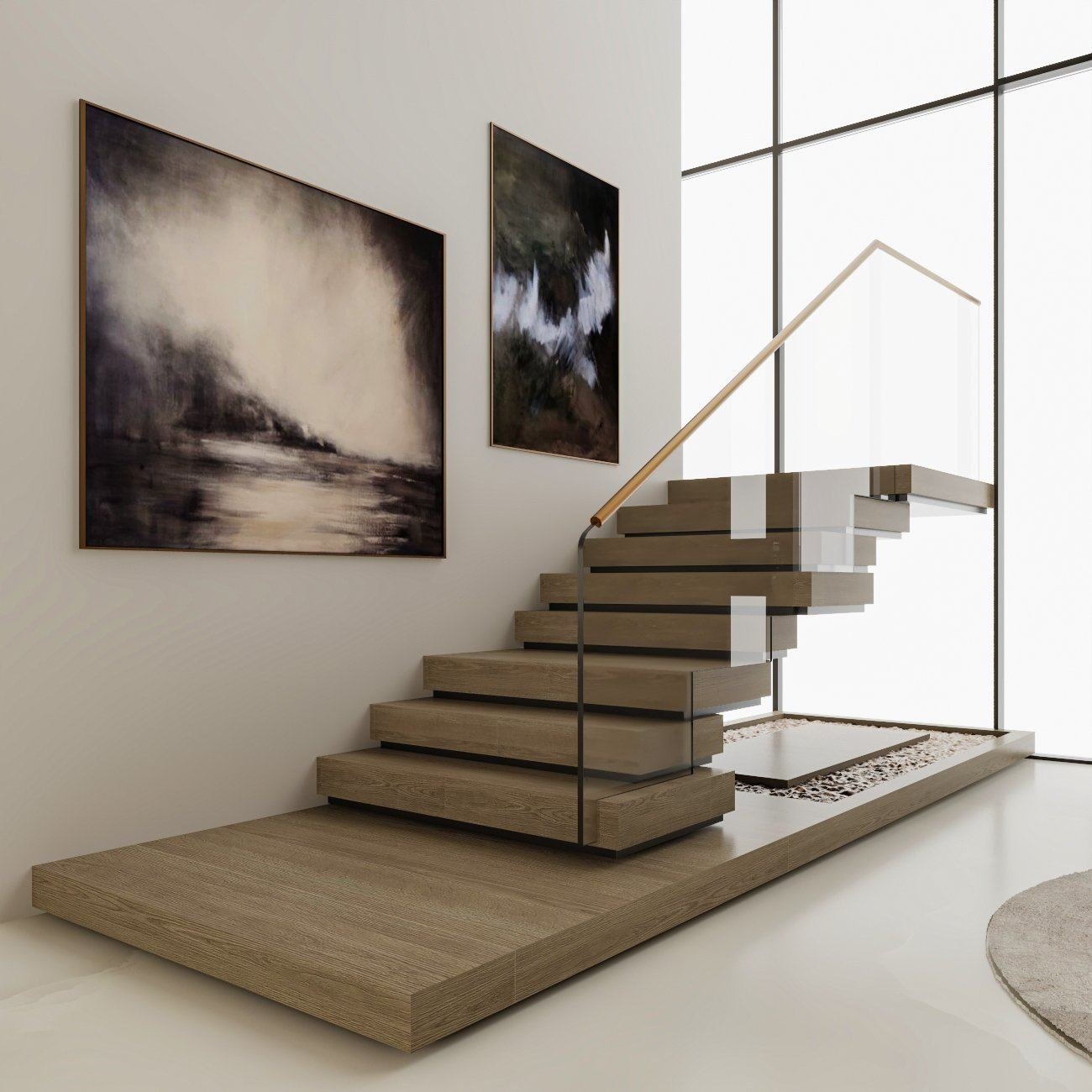
Full or partial villa refurbishment, designed and built by one team, with the NOC and permit handled.
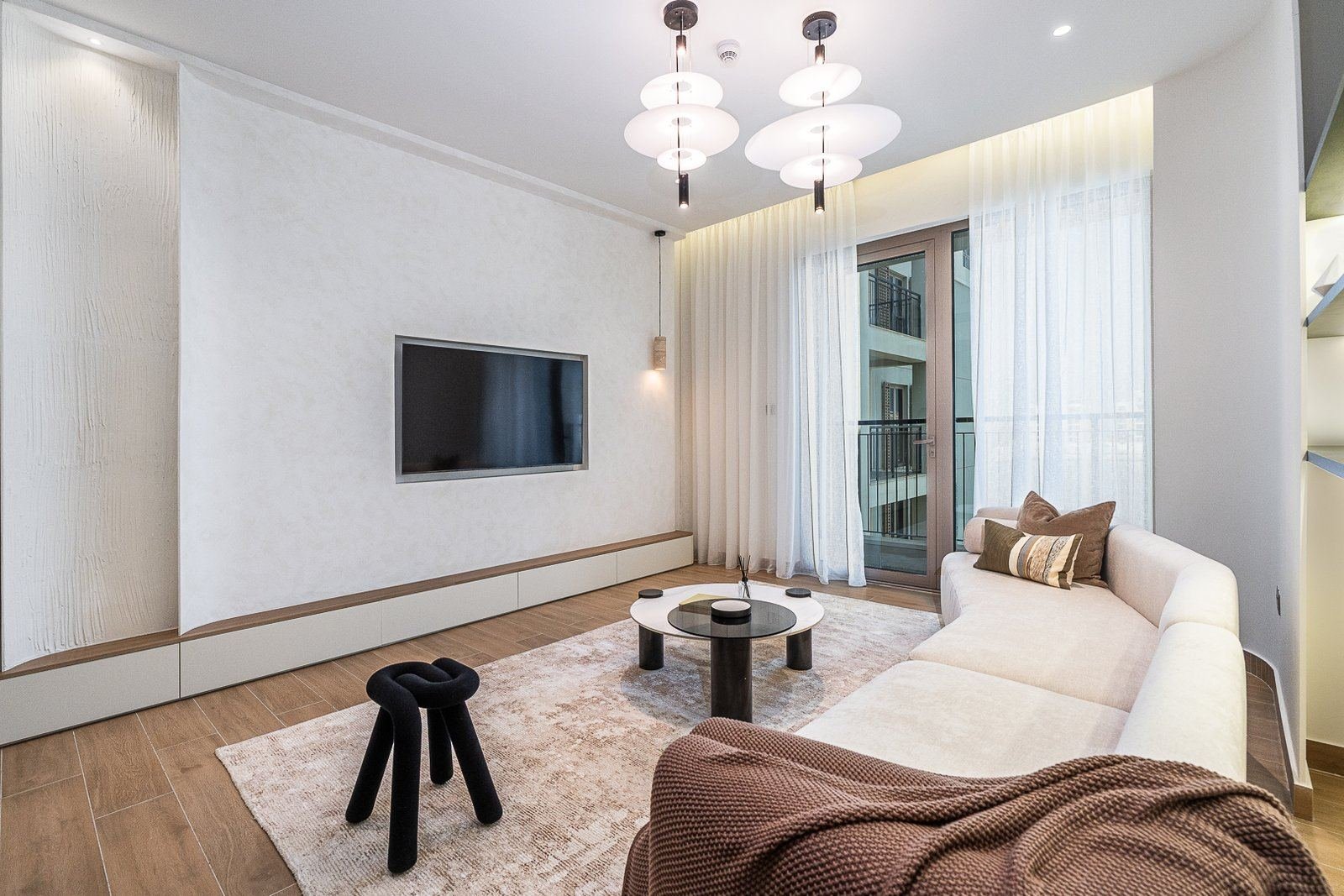
Tower apartments with the building NOC, service lift and working-hour logistics managed for you.
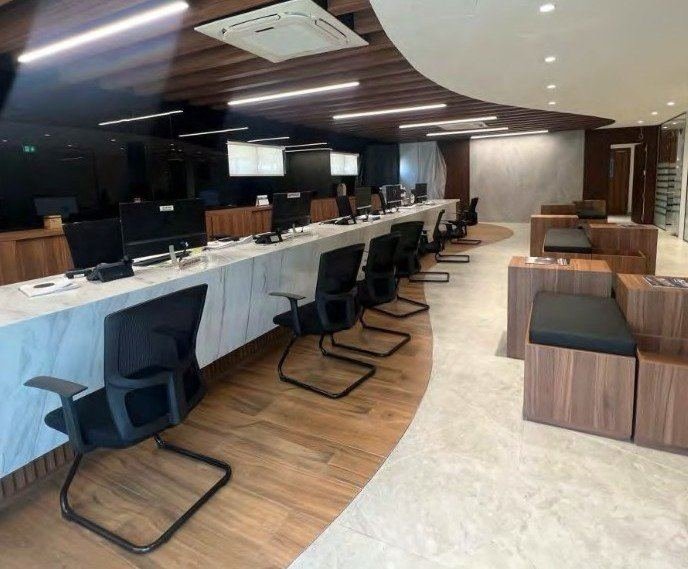
Occupied or vacant office refurbishment, phased around your team, with the landlord’s requirements built into the plan.

Store refresh and re-fit under mall fit-out guidelines, worked overnight so trading continues.
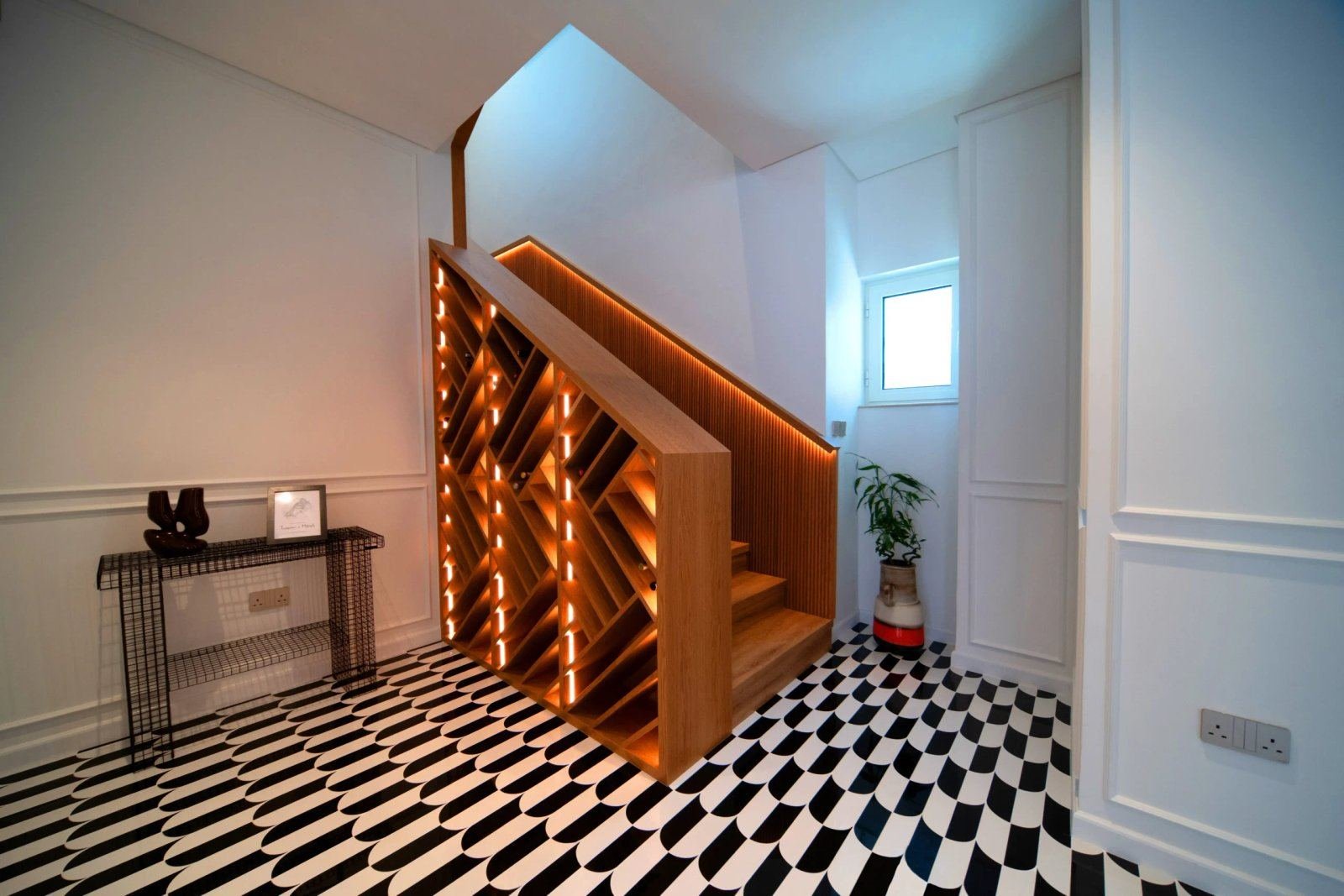
Opening up layouts, moving walls and wet areas, with the structural and permit checks that come with it.
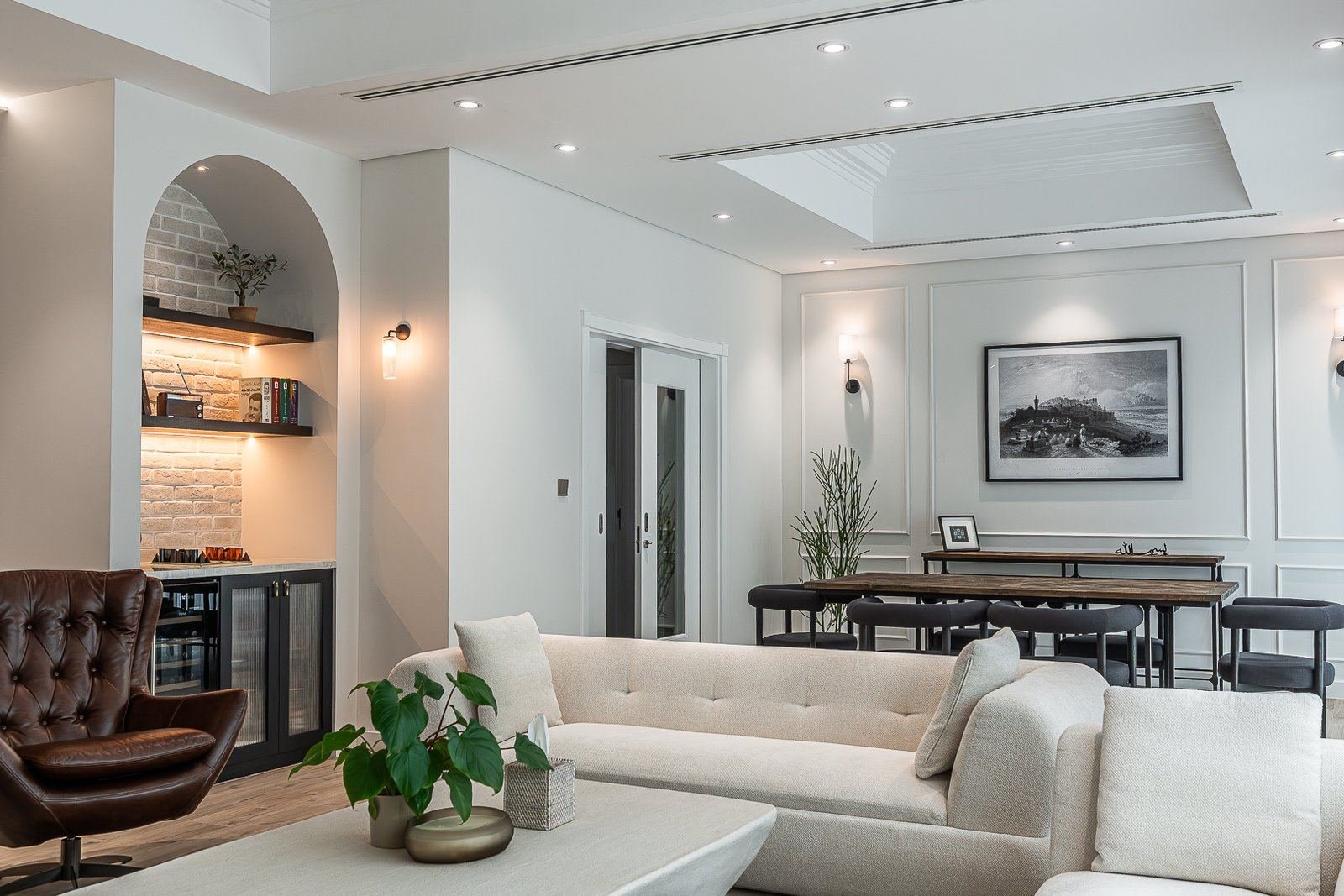
Handover-condition upgrades for new owners and investors, done before the property is occupied or let.
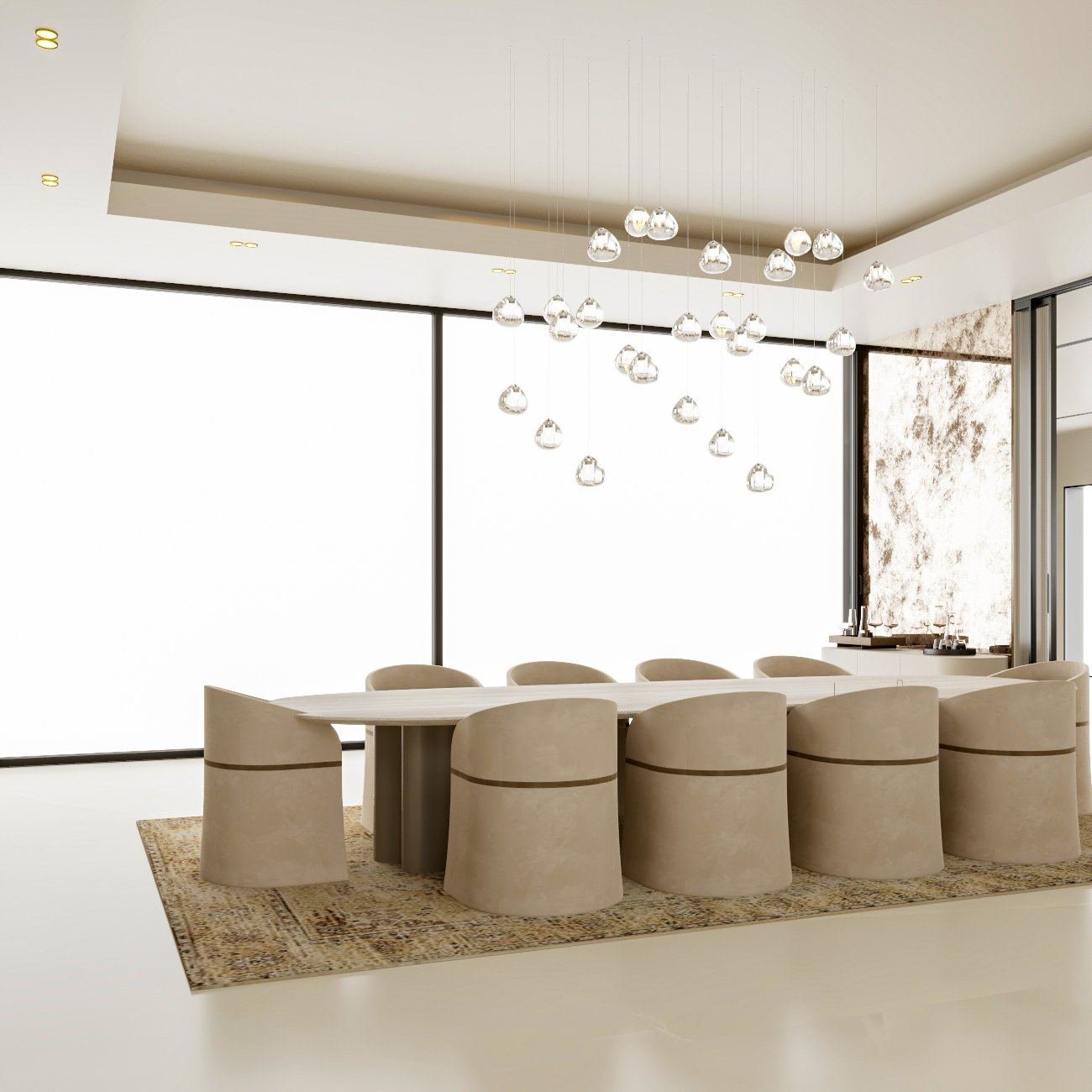
New layouts and cabinetry from our own workshop, worktops templated on site, services coordinated.
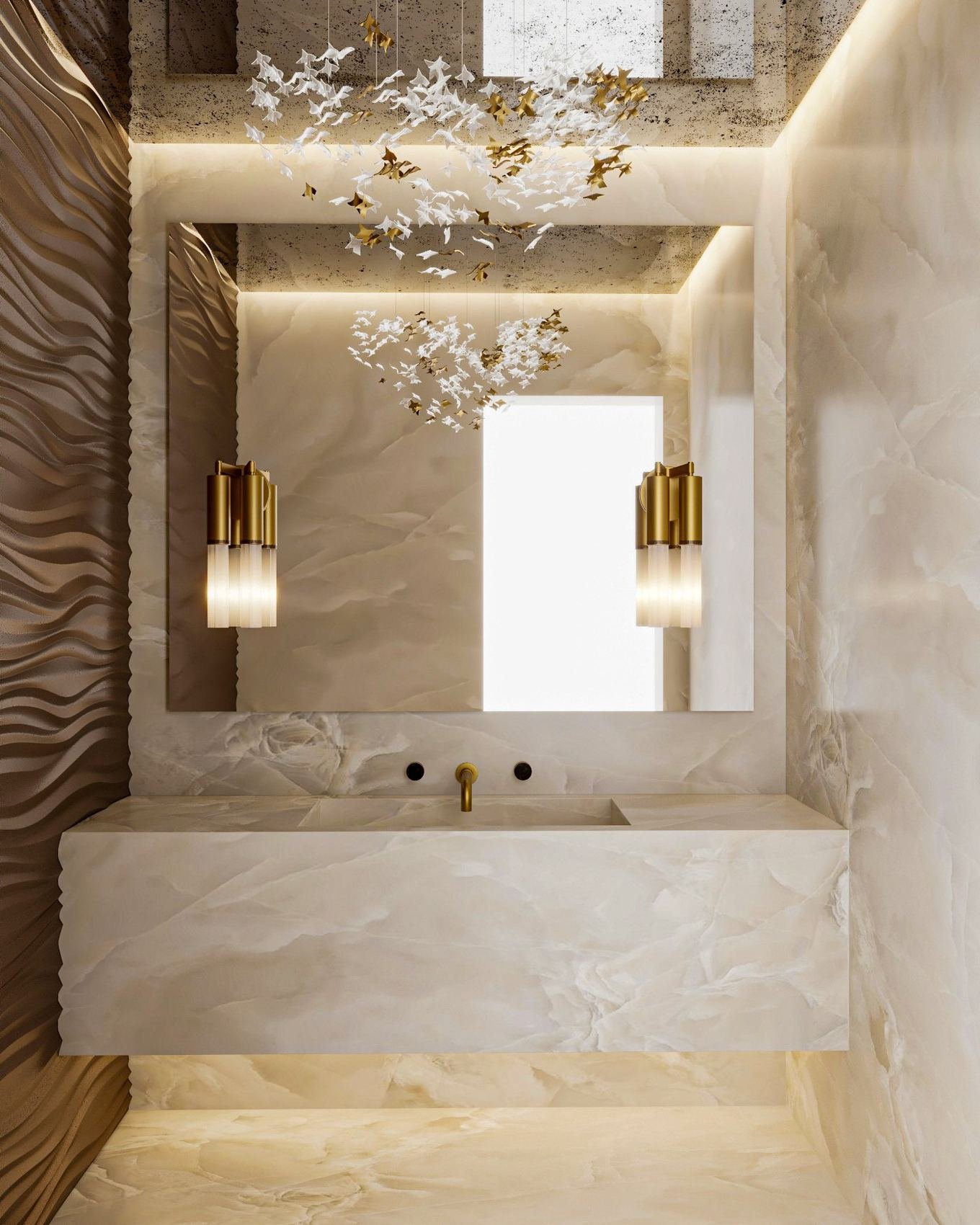
Waterproofing, falls, sanitaryware and vanities, with the plumbing alterations most bathrooms need.
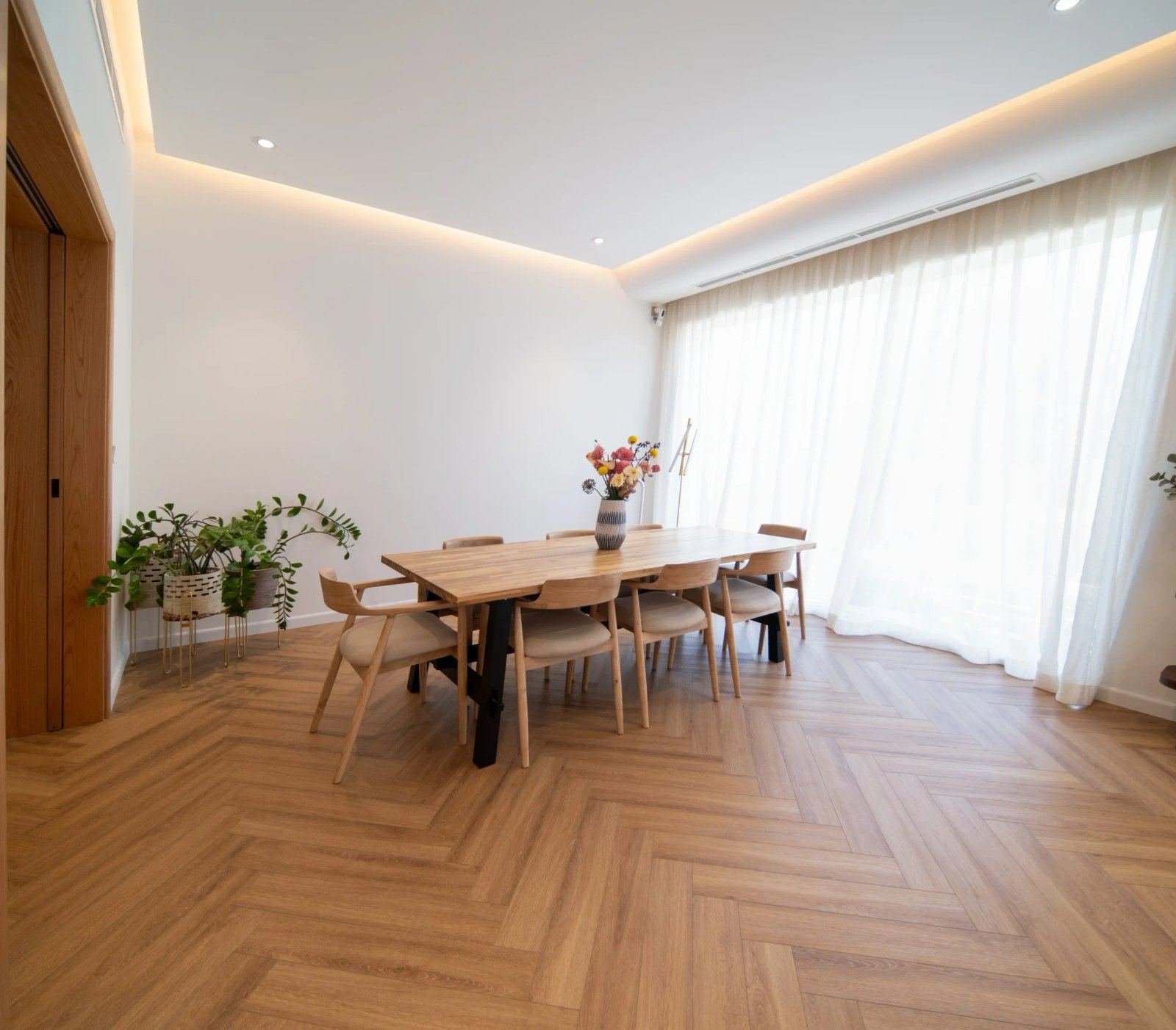
Interior and exterior painting with the surface preparation and primers that make it last.
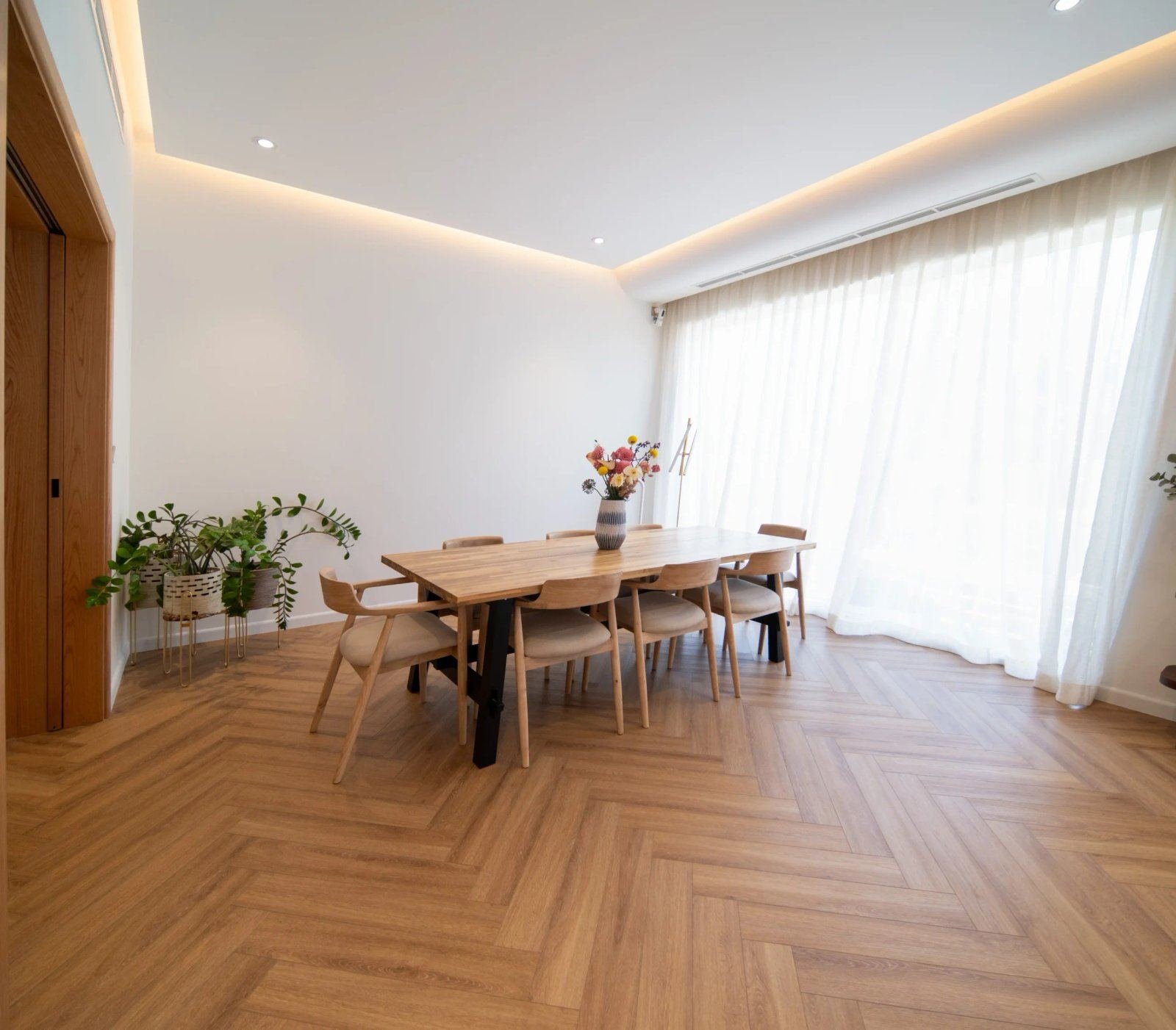
Porcelain, marble, timber and SPC with screed, waterproofing and falls done before the first tile goes down.

Frameless and framed glass partitions, doors and manifestation for offices, clinics and homes.
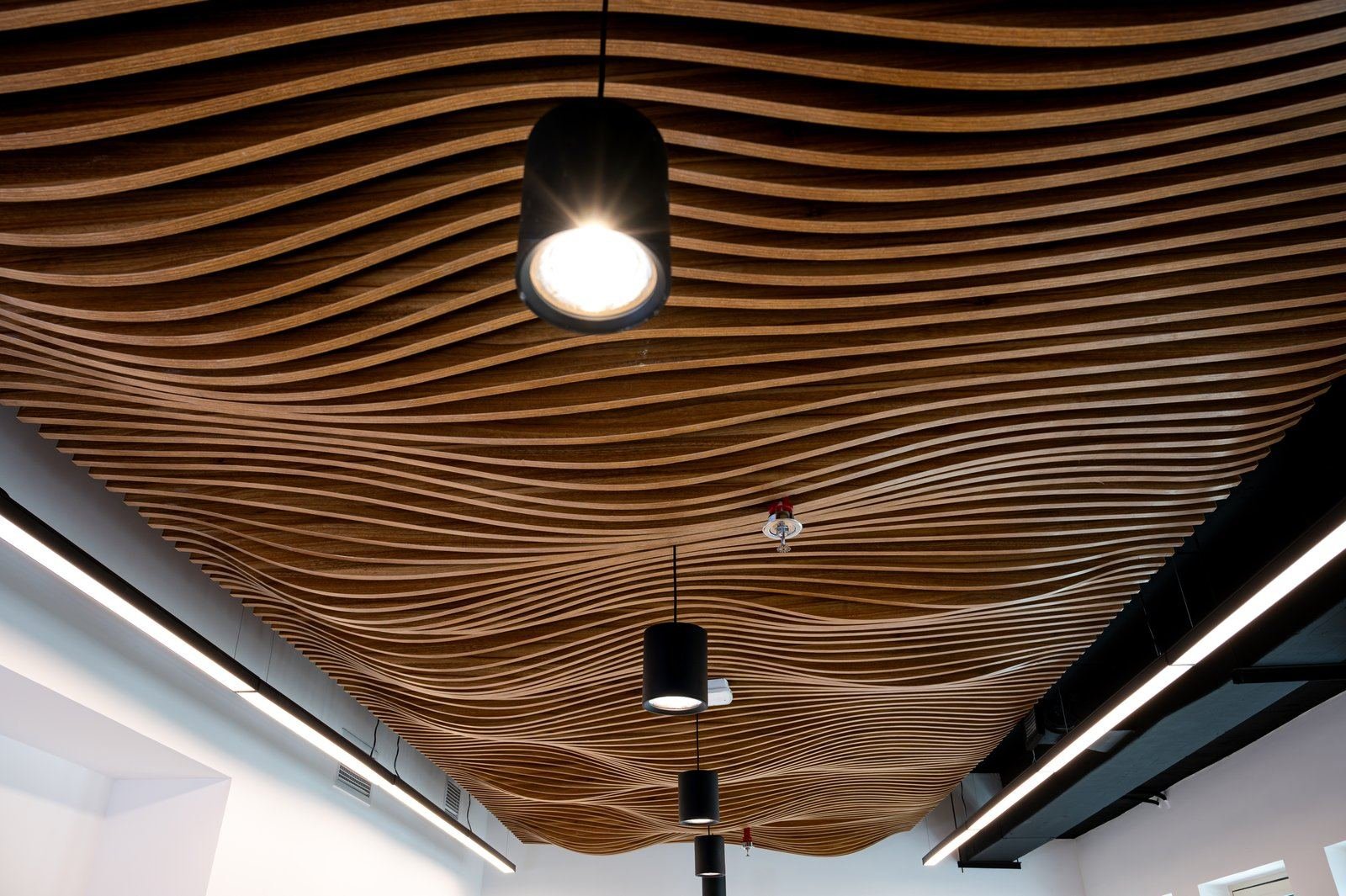
Drywall partitions, bulkheads and feature ceilings, acoustic or fire-rated where the use needs it.
How it runs
The same four stages whether it is a villa, an apartment or an office. Each one ends with something you sign off, so nothing reaches site until you have seen it on paper.
Book a site visitWe measure, look behind the finishes where we can, and talk through what you want to change. We also check the rules that shape the job: in towers and office buildings that means working hours, the service lift, protection of common areas and any deposit the building asks for. Tenants need the landlord’s written consent first.
Layouts, 3D views where they help, and material selections. Then a BOQ priced line by line, so you can see what each decision adds and adjust before you commit, and a dated programme before work starts.
Kitchens, wardrobes, vanities, doors and feature joinery are made in our own workshop once drawings are signed, while the paperwork is handled and the site is prepared. You can see samples and finishes before they are made in full.
Our craftsmen carry out the joinery installation, tiling and gypsum work. Specialist trades such as MEP, glass and stone work under our contract, with one site lead for you to talk to. Before handover we walk the property with you, list anything to put right and close it out.
Recent renovations
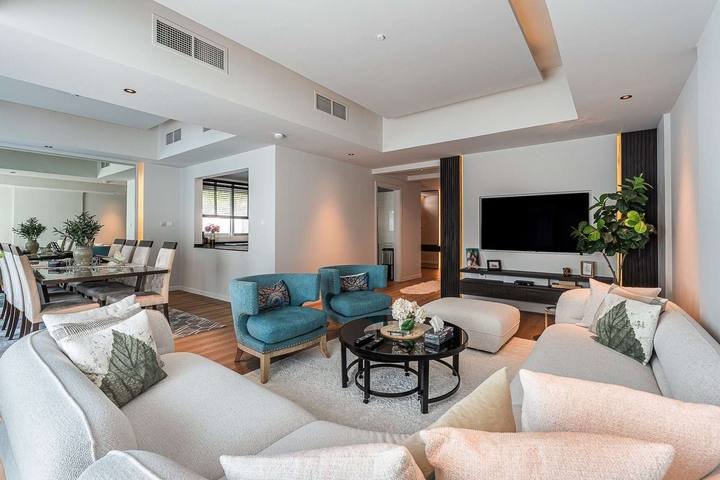
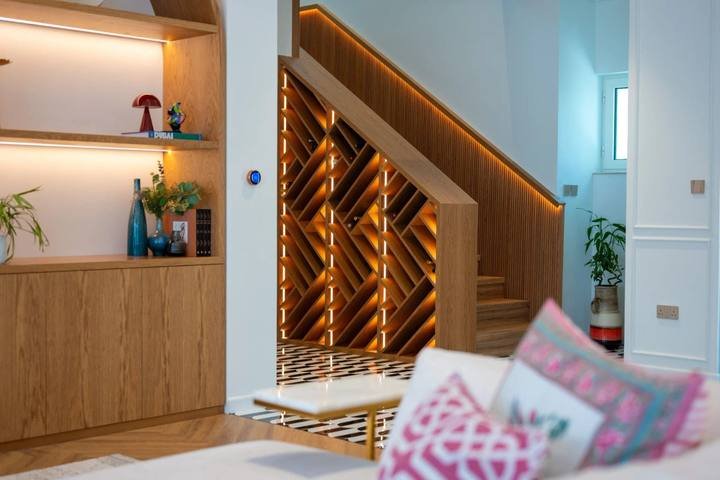
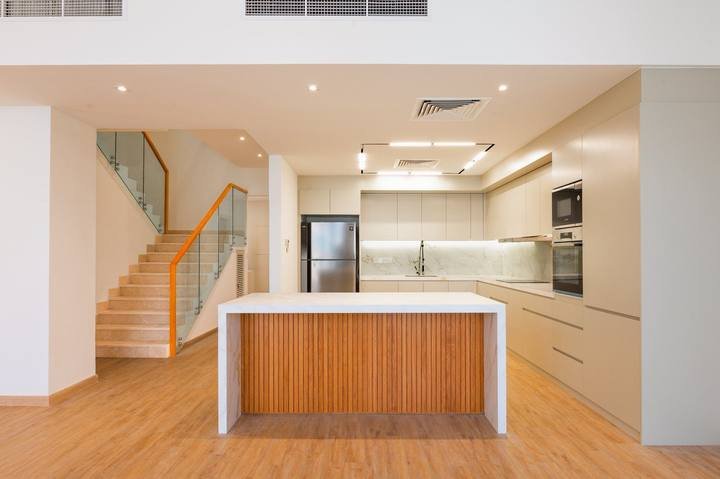
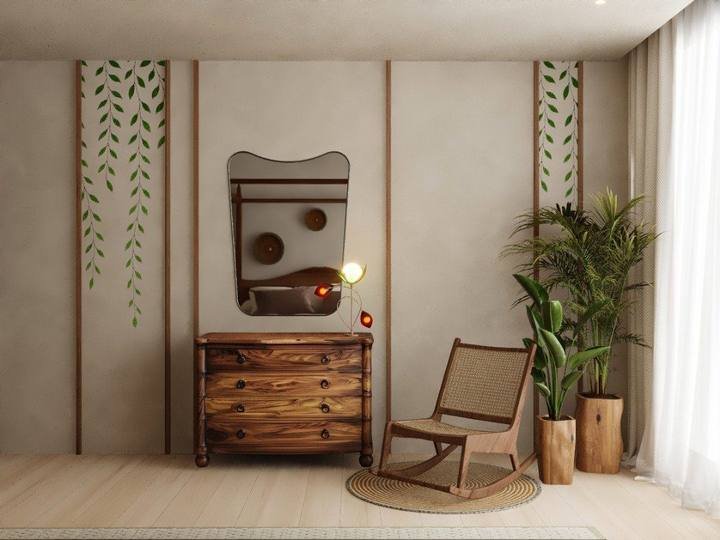
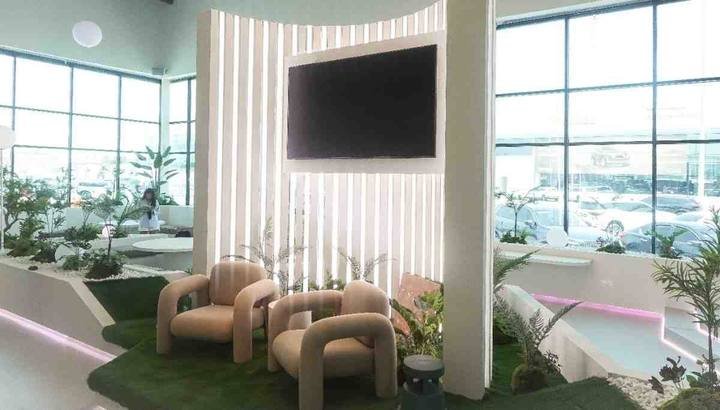
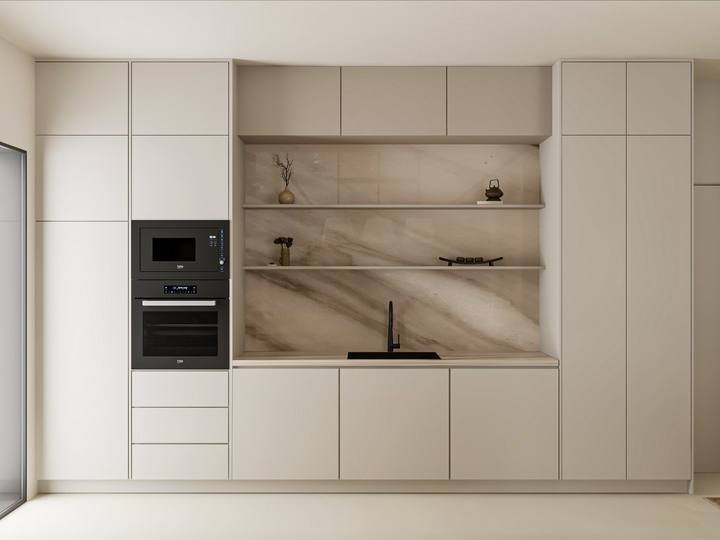
Villas in Al Furjan and Sports City, a Downtown kitchen, an Al Quoz office and a JVC store.

Scope & programme
We price line by line in a BOQ after a site visit rather than quoting a rate blind, and issue a dated programme before work starts. These are the decisions that move both.
Paint, flooring, lighting and joinery with the layout untouched is a refurbishment. Once walls or wet areas move it becomes a renovation, with more drawings, more trades and a fuller approval route.
Relocating a kitchen or bathroom is the single biggest step up in both cost and programme: new drainage, waterproofing, falls and electrical changes all come with it.
Removing a load-bearing wall or altering a facade brings in a structural engineer and, in many communities, a developer design review. Some communities don’t allow facade changes at all.
Kitchens, bathrooms and joinery usually account for more than half of a residential renovation. In offices it is MEP, partitions and ceilings. Paint is the smallest line and the most visible.
Working around a family or a trading business means phasing, dust control and out-of-hours work. It is slower and costs more than a vacant property, and we show it in the BOQ so you can weigh it up.
The approval route for your property and long-lead imported materials. Choosing materials at design stage helps, and joinery production in our workshop runs alongside the paperwork rather than after it.
Tell us the property, the community and roughly what you want to change. We will visit, measure, talk through the options, and come back with a BOQ you can actually compare against other quotations.
Common questions
Approvals, scope, timing and living or trading through the works. If yours is not here, call +971 50 353 8845.
For most renovation work, yes: the developer or building NOC, and the permit from the authority that covers your area. A refurbishment with no layout change usually needs less. We confirm the route at the site visit, prepare the drawings and handle the submissions. More detail is on our authority approvals page.
Refurbishment keeps the layout and replaces finishes: paint, flooring, lighting, joinery, sanitaryware. Renovation changes the plan: walls moved, rooms combined, kitchens or bathrooms relocated. The distinction matters because it decides how much drawing and approval work is needed, how long the programme runs and what the budget looks like.
Yes, with the landlord’s written consent, which the developer and the building management will ask to see before issuing an NOC. Most landlords agree to non-structural improvements and some share the cost. We can prepare a scope document for the landlord’s approval before anything is submitted.
Yes. We are registered with six of Dubai’s major developers: Emaar, Nakheel, Meraas, Dubai Holding, Nshama and DAMAC. You do not need to appoint a second firm to deal with the community.
It depends on scope and on the approval route for your property far more than on floor area. A refurbishment with no layout change is quickest. A full renovation with structural change takes considerably longer. We issue a dated programme before work starts, and joinery production in our workshop runs alongside the approvals rather than after them.
For single-room or single-trade work, usually yes. For a full renovation we would advise against it: strip-out, MEP first fix and screeds make a home genuinely unliveable and an office unworkable. Where clients do stay, we phase by floor, wing or zone, seal the active area and work out of hours where the building allows. Retail refits are usually done overnight behind hoarding so the store keeps trading.
Yes. Painting, flooring and tiling, glass partitions and gypsum partitions are each offered as a standalone package with the same site management and finishing standard as a full project. Each has its own page above explaining what is covered.
Yes. A renovation can start from a conversation on site or from a full concept, 3D visualisation and material schedule prepared by our design team. Either way the drawings, joinery shop drawings, paperwork and site works sit with one accountable team. If you already have a designer we will build to their drawings and coordinate with them.
Yes. We work across the UAE, including Abu Dhabi and Sharjah. Each emirate and master developer has its own approval route, which we confirm at the site visit. Recent work includes The Dahlia in Abu Dhabi and Platform Health Club in Sharjah.