Downtown Dubai
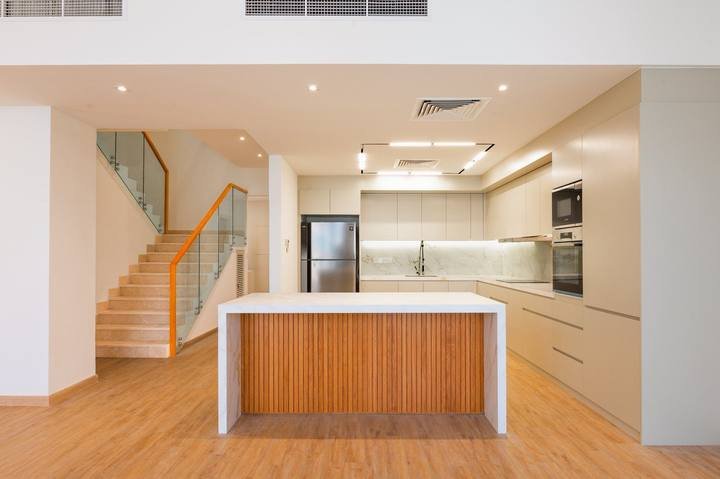
Two apartments delivered in Downtown towers — a full residence and a kitchen renovation. Here the building controls the programme before Emaar or Dubai Municipality ever see a drawing, and the lift slot is the real constraint.
Downtown is dense, occupied and tightly managed. Burj Khalifa, the Boulevard towers, Act One Act Two, Opera Grand, The Address residences — each runs its own fit out application, approved-contractor register, permitted working window, hourly service lift booking, corridor protection and refundable deposit. A contractor not on that register cannot get through the door, however good the drawings are.
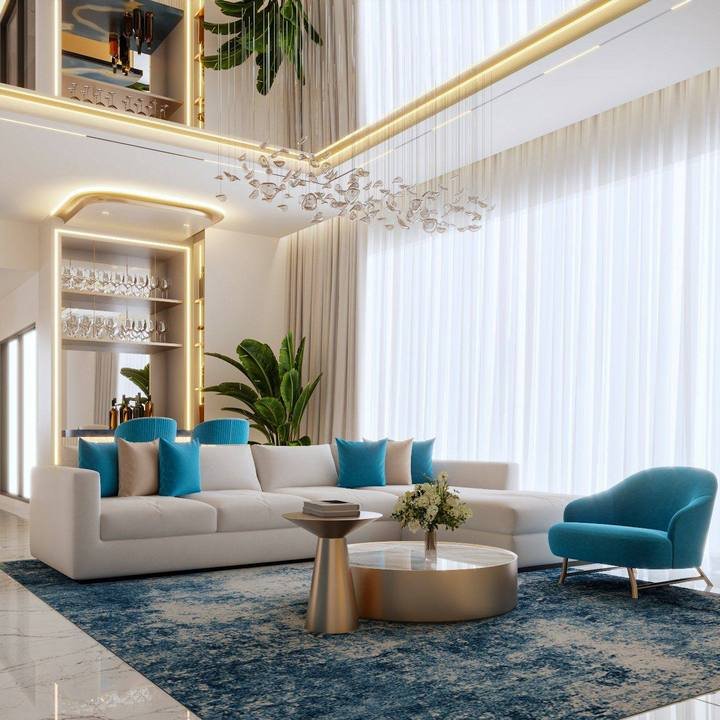
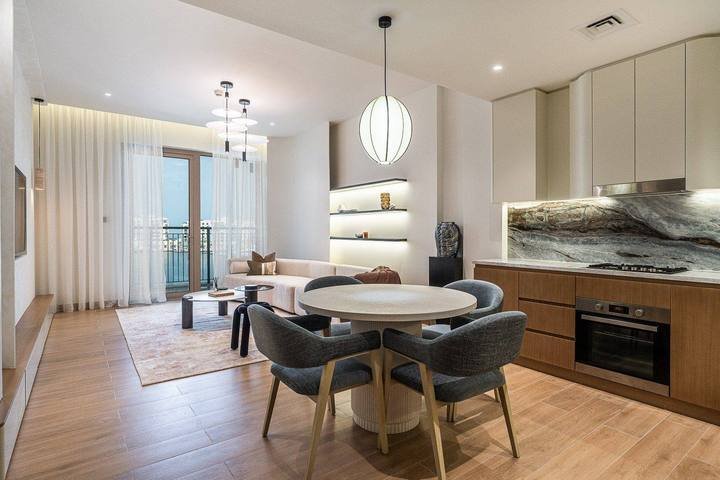
That is why we plan a Downtown job backwards from access. At our residence in Downtown we phased deliveries into consolidated loads and scheduled the loudest work inside the window the building allowed, because in an occupied tower the neighbours are the programme. The authority route runs alongside: Downtown is Emaar land under Dubai Municipality jurisdiction, so permits go to DM in DM format, not to Trakhees.
Our Downtown work
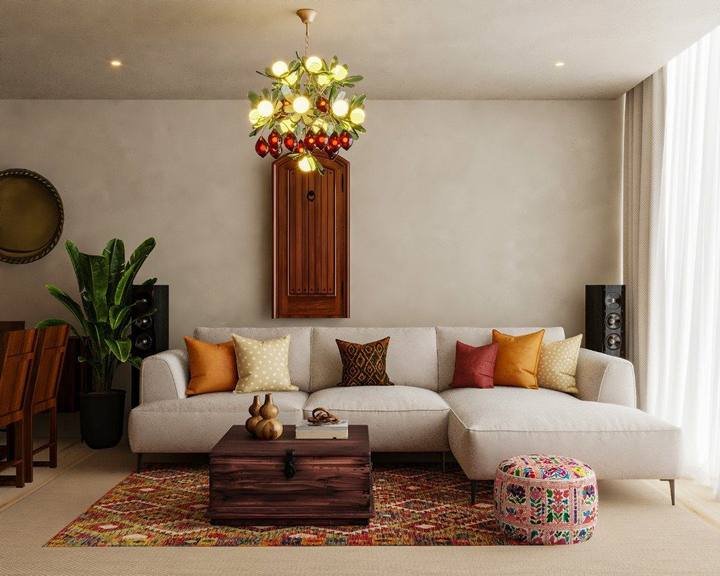
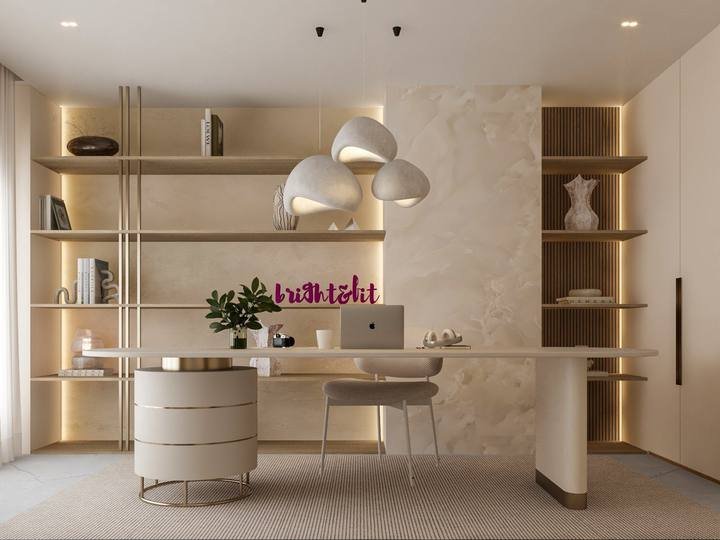
Both delivered in occupied Downtown towers, alongside apartment work across Dubai.


Approvals
In a tower the building comes first and can stop you before any authority has opened the file. We confirm your building’s rules at survey rather than on day one.
Ask about your buildingA fit out application to the tower: the contractor’s trade licence, insurances, method statements and health and safety file, plus a refundable deposit. Downtown buildings also keep their own approved-contractor registers, restrict working hours, book the service lift by the hour, limit the loading bay, and specify corridor protection and the waste route. Our ISO 45001:2018 certification covers the H&S documentation most of them ask for, and we complete the registration ourselves.
Downtown is an Emaar master community, so works in many buildings also need Emaar’s sign-off alongside the building’s own. We hold Emaar registration, so the contractor-approval step is already cleared rather than being something you have to solve before work can start.
Downtown sits under Dubai Municipality jurisdiction, so permit-requiring work is submitted to DM with the drawing set prepared to the DM standard. Trakhees governs Nakheel and PCFC areas such as Al Furjan, Palm Jumeirah and JVC on a different standard entirely. Finishes, loose furniture and like-for-like joinery usually need only the building NOC.
Changes to partitions, ceilings, sprinklers, detection, emergency lighting or escape routes need Civil Defence approval with an inspection before handover — and in a tower this matters more than in a villa, because the apartment sits inside the building’s life-safety system. Load increases and new distribution boards need DEWA sign-off.
What we do here
Downtown work is almost entirely apartments. The brief usually comes from one of these three situations.
Living, dining, kitchen, bedrooms and bathrooms reworked as one scheme, with the building NOC, lift bookings and working-hour rules handled.
Custom cabinetry with soft-close hardware and appliance housings built to the specific models, templated against the as-built walls.
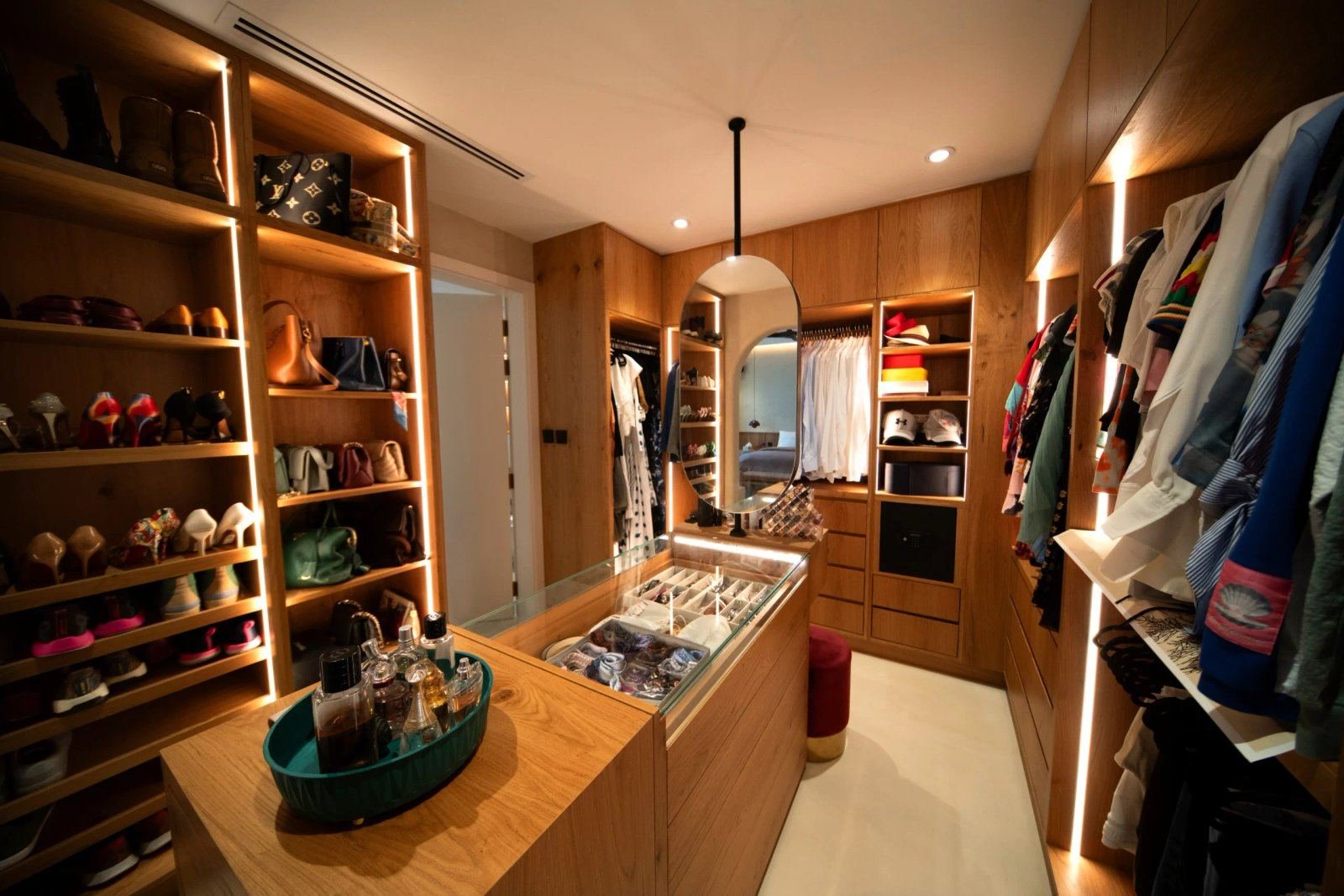
Made in our Al Quoz workshop and delivered finished — which matters when your only route in is a lift booked by the hour.
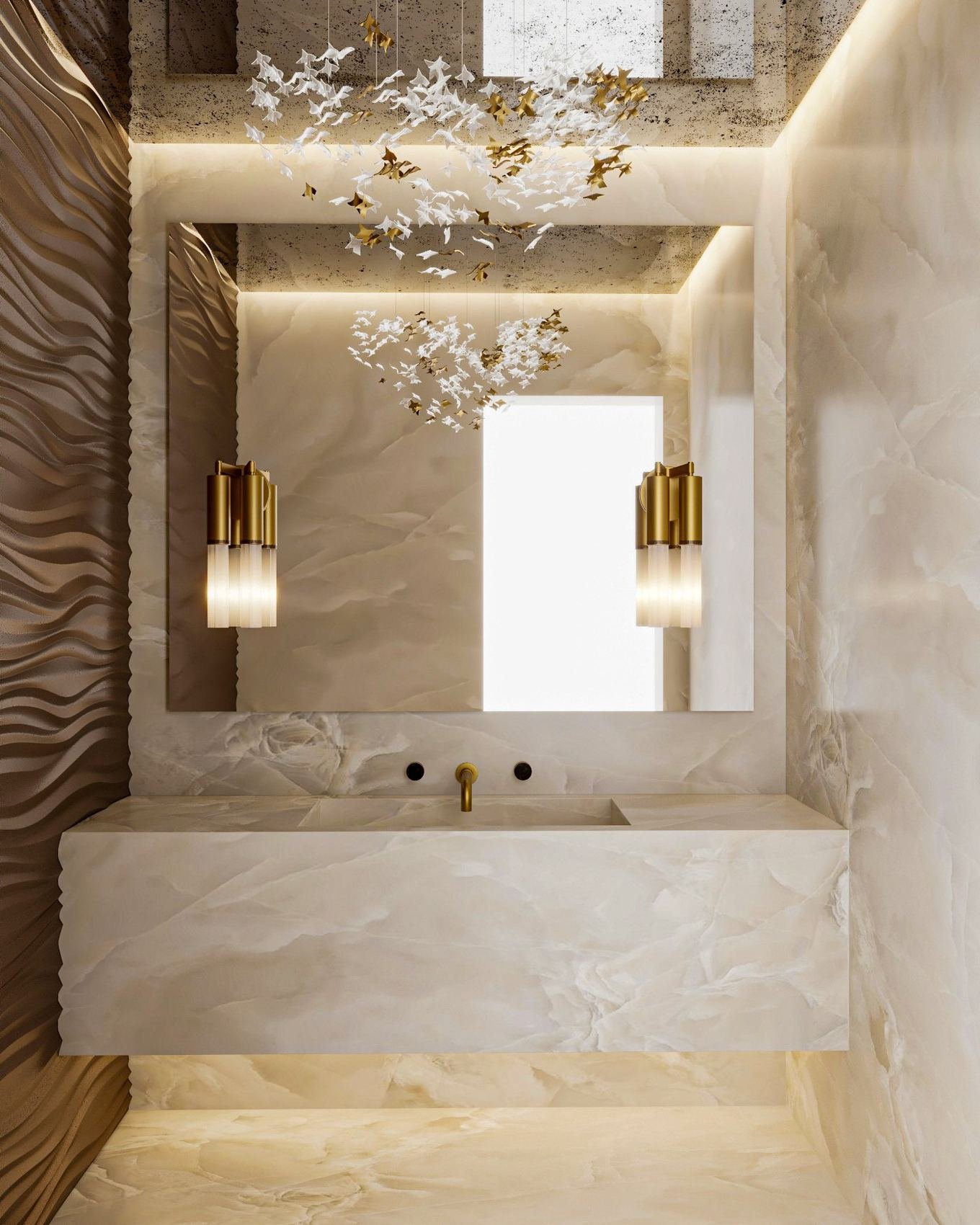
Waterproofing, falls, sanitaryware and vanity joinery — within what a tower’s fixed drainage risers actually allow.
For a unit you intend to let, specified for durability and turnaround rather than for a photograph. It holds up far better between tenants.
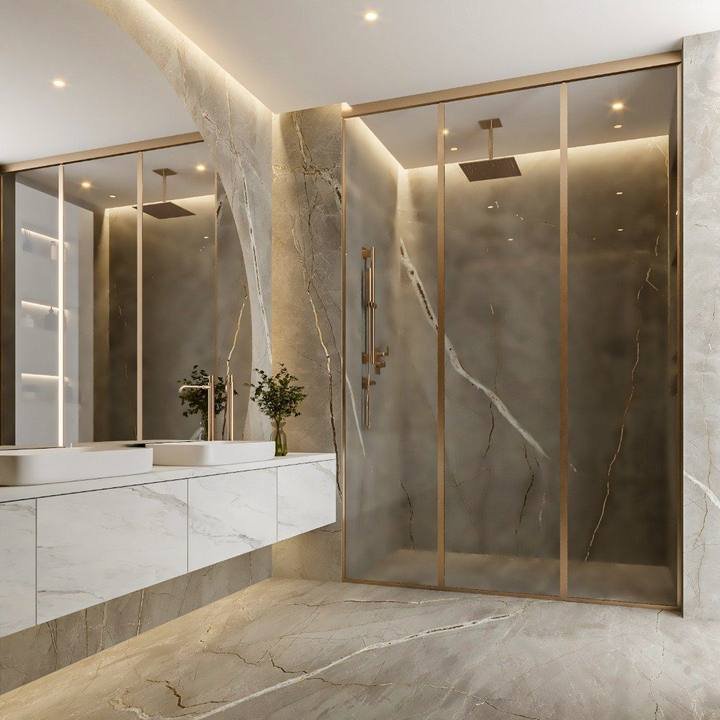
Design, approvals, joinery, MEP and site delivery under a single contract, so no interface sits between two firms while the lift slot runs down.
Scope & programme
We price line by line in a BOQ after a site visit and issue a dated programme before work starts. In a tower these move both more than the finishes do.
A lift booked by the hour, one loading bay and a permitted working window set the pace. The same scope takes longer in a strict building than a lenient one, which is why we read the rules before quoting a programme.
Moving a kitchen or bathroom is the biggest single step up. Tower drainage runs to fixed risers, so what looks like a layout change is really a services problem with a floor build-up attached.
Downtown towers are lived in. Noisy work is confined to the permitted window and dusty work has to be sealed and routed, which shapes sequencing more than scope does.
Kitchen, bathrooms and joinery typically account for well over half. Access and lift restrictions add labour rather than material cost.
Making units in our own workshop and delivering them finished keeps lift time, dust and noise down — the three things building management actually measures you on.
Relocating wet areas, touching structure, long-lead imported stone, and out-of-hours working where the building requires it. All flagged at quotation rather than as a variation later.
Give us the building and the scope. We will check its contractor and access rules, visit and measure, confirm whether the work needs a DM permit or Civil Defence sign-off, and come back with a BOQ you can compare properly.
Common questions
Buildings, approvals, layout changes and living through the works. If yours is not here, call +971 50 448 3095.
Yes, and it comes before anything else. Downtown towers require a fit out application with your contractor’s trade licence, insurances, method statements and health and safety file, plus a refundable deposit. Most also keep an approved-contractor register, so a contractor who is not on it cannot access the site regardless of the drawings. Downtown is also an Emaar master community, so many buildings need Emaar’s sign-off alongside. If you are renting, you need the owner’s written consent first.
Dubai Municipality. Downtown sits on Emaar land under DM jurisdiction, so permit-requiring work is submitted to Dubai Municipality with the drawing set prepared to the DM standard. Trakhees governs Nakheel and PCFC areas such as Al Furjan, Palm Jumeirah and JVC on a different standard and a separate contractor register. Finishes, loose furniture and like-for-like joinery usually need only the building NOC rather than a permit.
Scope drives it far more than area does. A refresh — paint, lighting, flooring and soft finishes with no layout change — is the lightest; a reconfigured layout with new wet areas and bespoke joinery throughout is the heaviest. Kitchen, bathrooms and joinery typically account for well over half, and in a tower access restrictions add labour rather than material cost. We survey the unit and price line by line in a BOQ so you can see each decision.
Within limits. Tower drainage runs to fixed risers, so a wet area can rarely move far without a drop that the floor build-up has to absorb, and the further it moves the more the fall becomes a problem. Non-structural partitions can usually change with the building NOC and a permit where one applies; structural walls and slabs need a structural engineer’s drawings and Dubai Municipality approval. We check what is possible before you commit to a layout.
They vary by building and you should confirm yours before committing to a programme. The common pattern is weekdays only with no drilling at weekends, a service lift booked by the hour, a single loading bay, corridor and lift protection, and a defined waste route. At our residence in Downtown we phased deliveries into consolidated loads and scheduled the loudest work inside the window the building allowed.
For a single-room or kitchen-only job, often yes. For a full apartment renovation we would advise against it — strip-out, first fix and screeds make a unit genuinely unliveable, and working around occupants in a space with one entrance adds to the programme. Where clients do stay we phase and seal, but it is slower.
Yes, in our own Al Quoz workshop with around forty craftsmen. In a tower this matters more than it does in a villa: units arrive finished and go up in a booked lift rather than being built in a corridor, which keeps dust, noise and lift time down and keeps you on the right side of building management. See our joinery page for boards, hardware and tolerances.
Yes, and we specify them differently. For a unit you intend to let, durability and turnaround matter more than a photograph — harder-wearing surfaces, replaceable components and finishes that survive a tenant change. It usually costs less than a comparable owner-occupier scheme and holds up far better between tenants.
Across the city, including Dubai Marina, Business Bay, JLT, The Greens, La Mer, Meydan, Al Furjan and JVC, plus Abu Dhabi and Sharjah. See our Dubai Hills Estate page for villa work in the same Emaar and Dubai Municipality route, or JVC for towers under Nakheel and Trakhees.